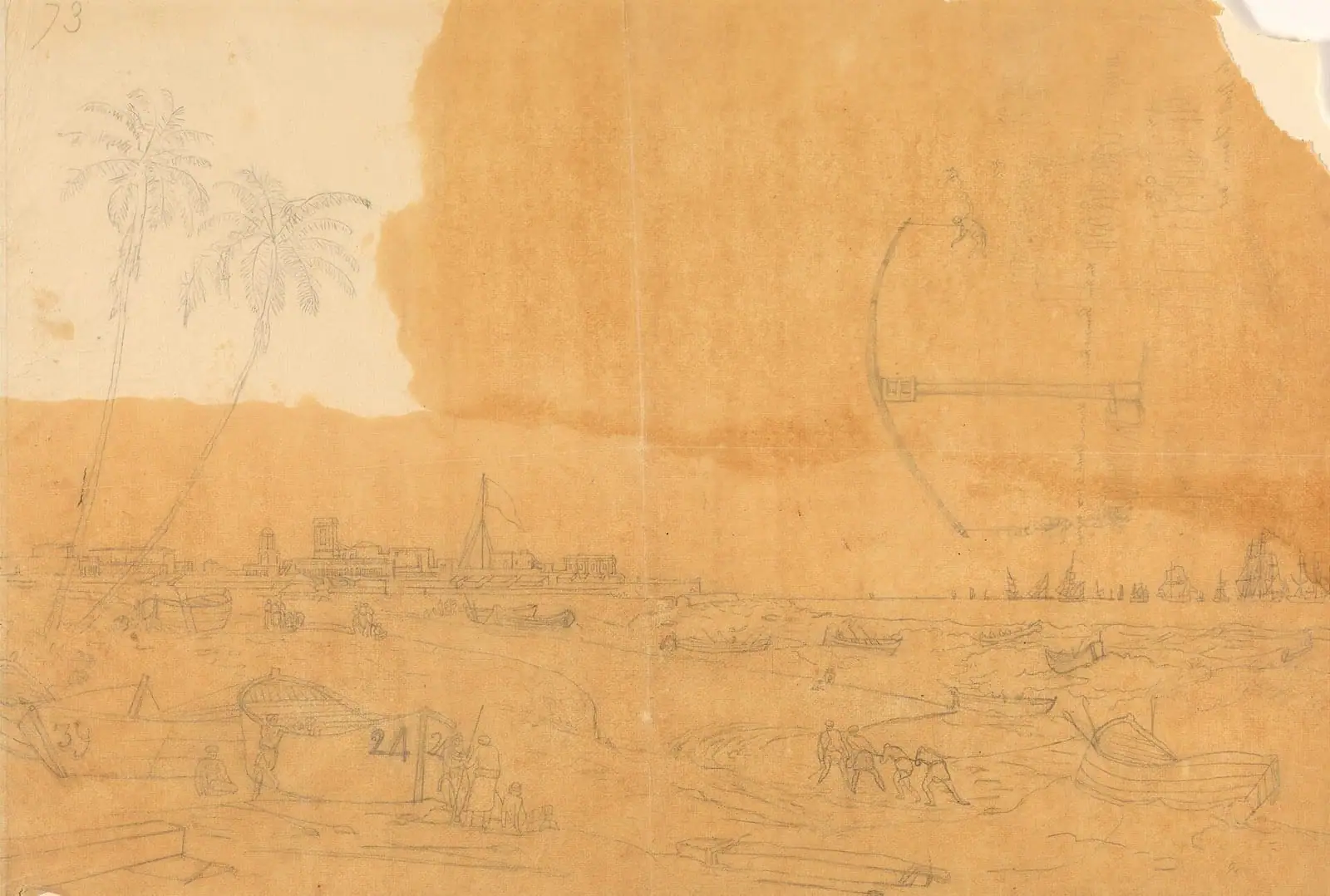
1916
December 1916: the Non-Brahmin Manifesto and the storm it raised
A month after its founding, the new association published a manifesto that pledged loyalty to the Raj and demanded a fair share of public life. The nationalist press was furious.
The Justice Party, founded in 1916, and the social-justice movement it set in motion. In every piece, verbatim passages from historical records are marked separately from our modern explainers.
People of the Justice Party →20 Nov 1916
The South Indian Liberal Federation is founded at Victoria Public Hall, Madras, by C. Natesa Mudaliar with T. M. Nair, P. Theagaraya Chetty and Alamelu Mangai Thayarammal.
Read more →Dec 1916
The 'Non-Brahmin Manifesto' is issued.
Read more →26 Feb 1917
First issue of the English daily Justice, with T. M. Nair as honorary editor. The party comes to be known by its newspaper's name.
Read more →Dec 1920
After the first elections under dyarchy, A. Subbarayalu Reddiar becomes the first First Minister of Madras Presidency.
Read more →1 Apr 1921
Women in Madras Presidency are allowed to vote, among the first in British India.
Read more →16 Sep 1921
The first Communal Government Order (G.O. No. 613) on representation of communities in public appointments.
Read more →1922
The term 'Adi Dravidar' is adopted in official usage.
1925
The Madras Hindu Religious Endowments Act, introduced in 1922, becomes law.
Read more →1924–25
Vaikom Satyagraha. Periyar's participation leads to the Self-Respect Movement, launched in 1925.
Read more →1937–40
Anti-Hindi agitation, with A. T. Panneerselvam among its leaders.
Read more →29 Dec 1938
Periyar is elected president of the Justice Party while in prison.
27 Aug 1944
At the Salem conference the party is renamed Dravidar Kazhagam.
Read more →1916
A month after its founding, the new association published a manifesto that pledged loyalty to the Raj and demanded a fair share of public life. The nationalist press was furious.
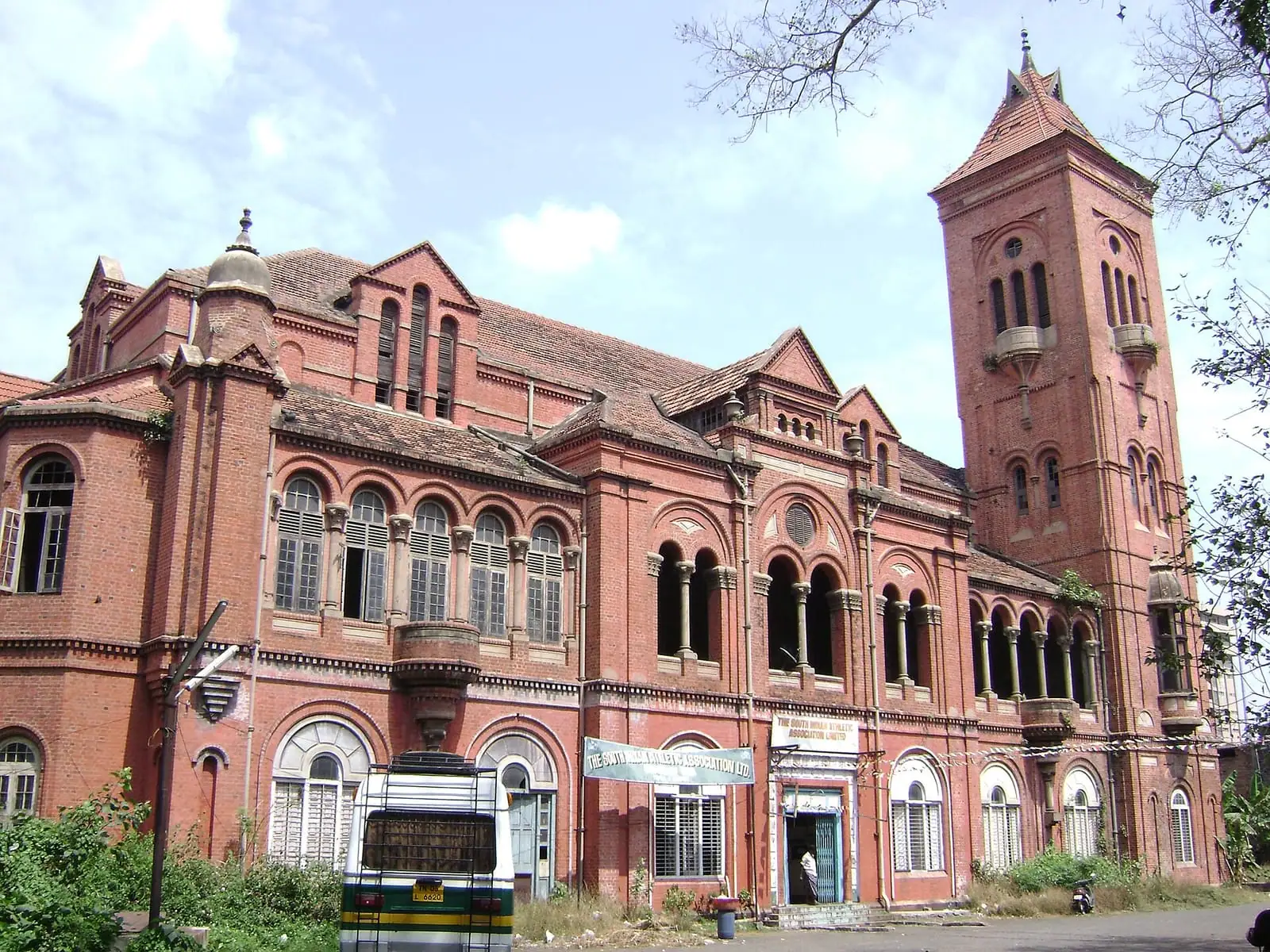
1916
How a gathering of non-Brahmin leaders in Vepery created the South Indian People's Association and the South Indian Liberal Federation, the organisation history remembers as the Justice Party.
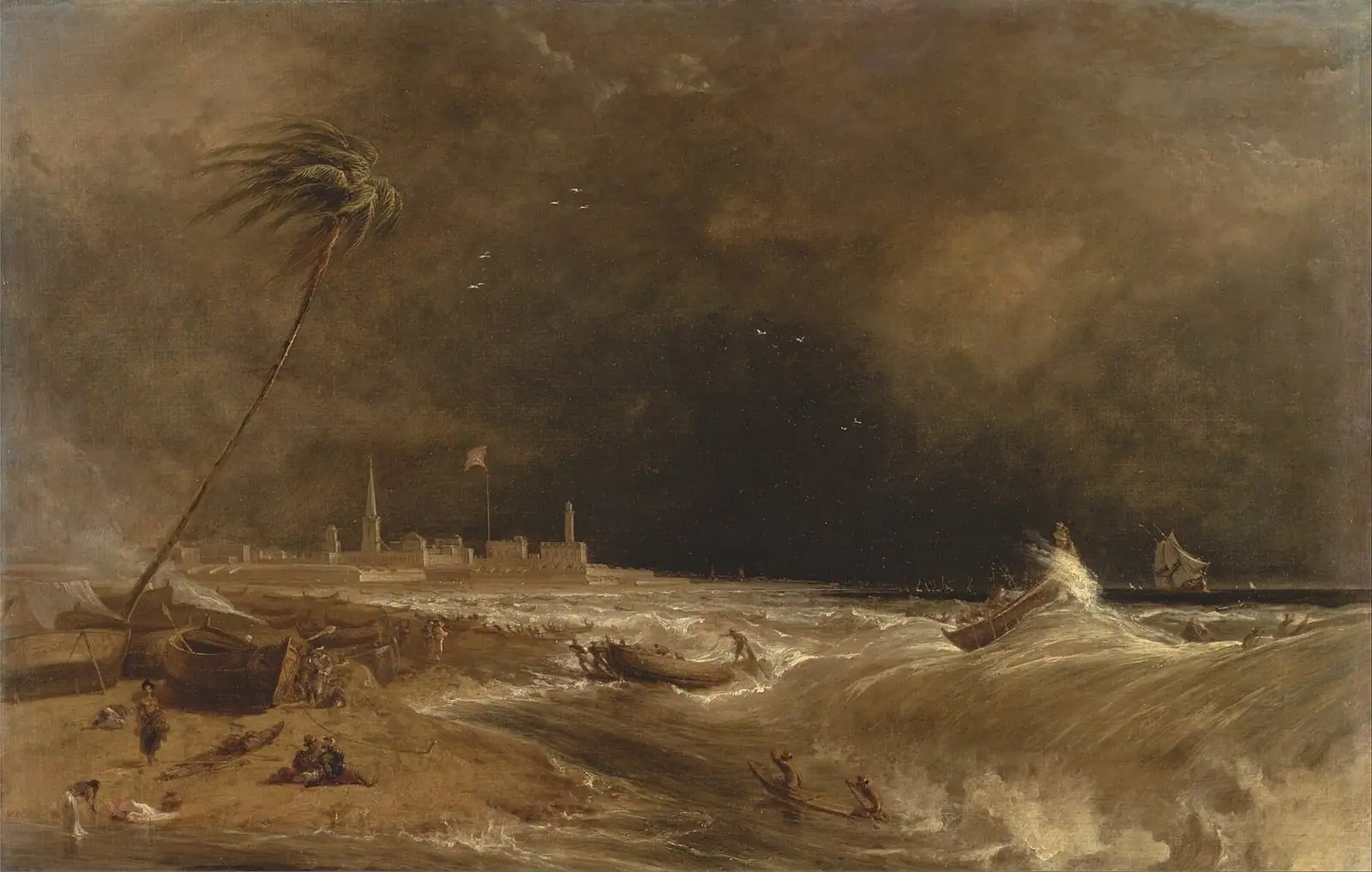
1917
Justice, edited without pay by Dr T. M. Nair, became so identified with the movement that the South Indian Liberal Federation came to be called the Justice Party. Its pages show both the movement's courage and its blind spots.
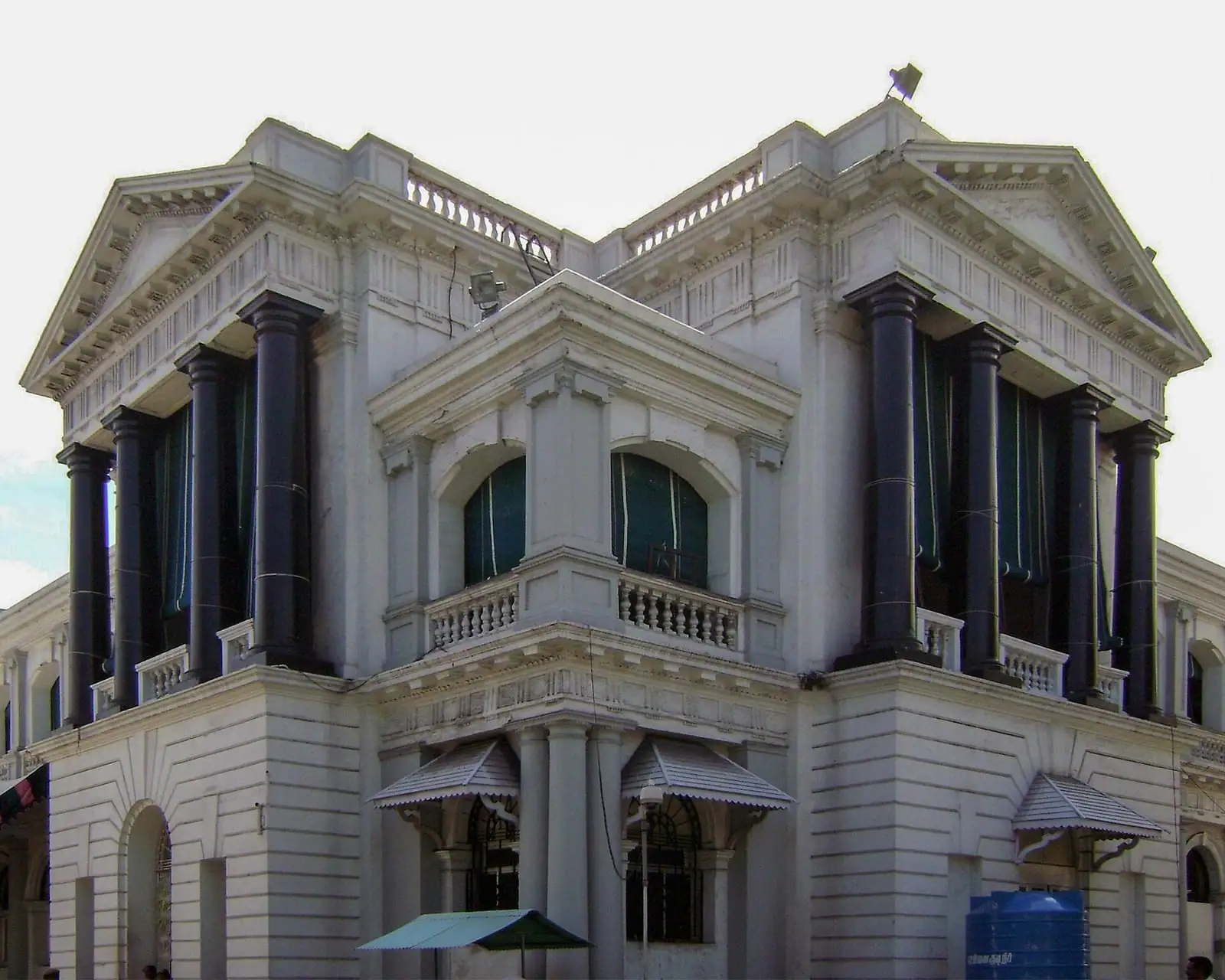
1920
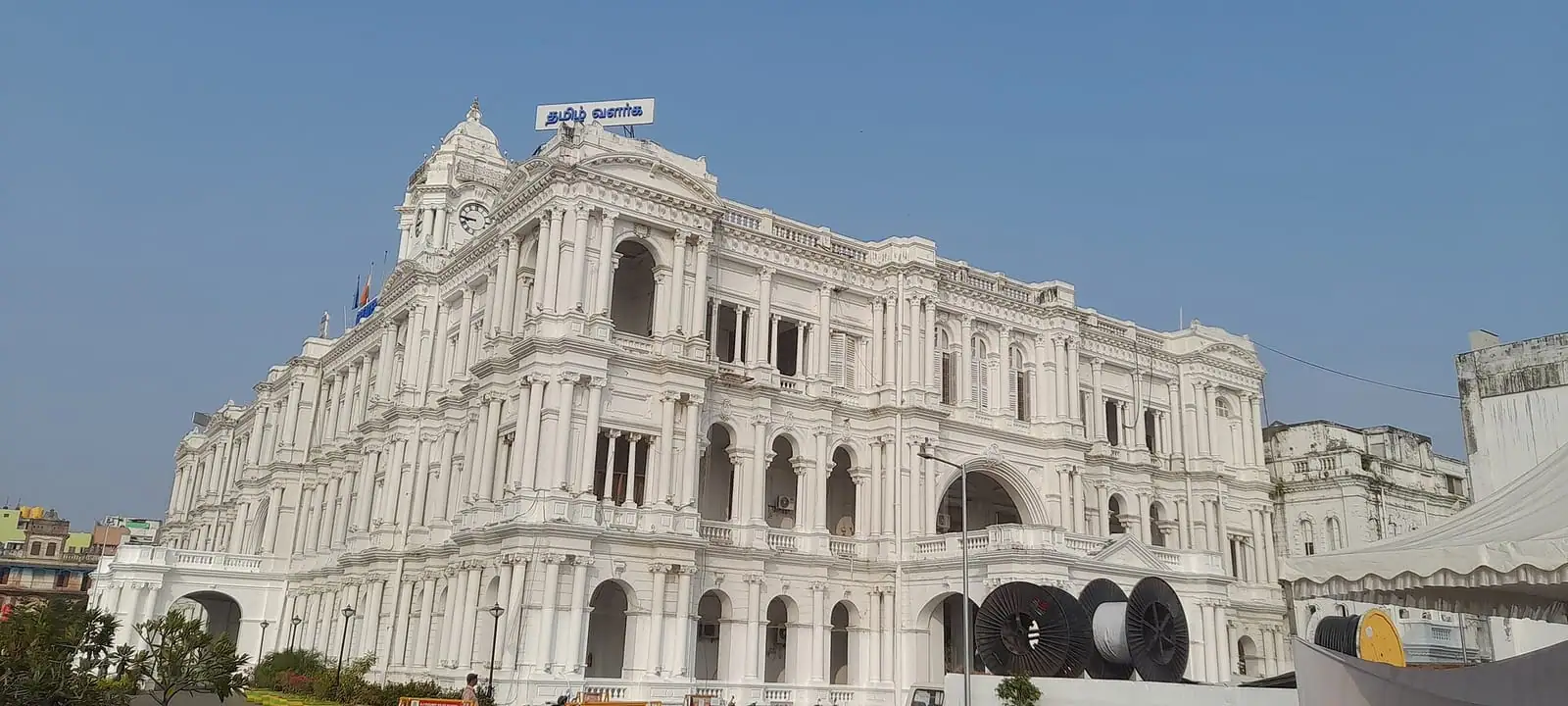
The Justice Party won 63 of 98 seats in the first elections under the Montagu–Chelmsford reforms. Its ministers soon discovered how little power "transferred subjects" really carried.
1921
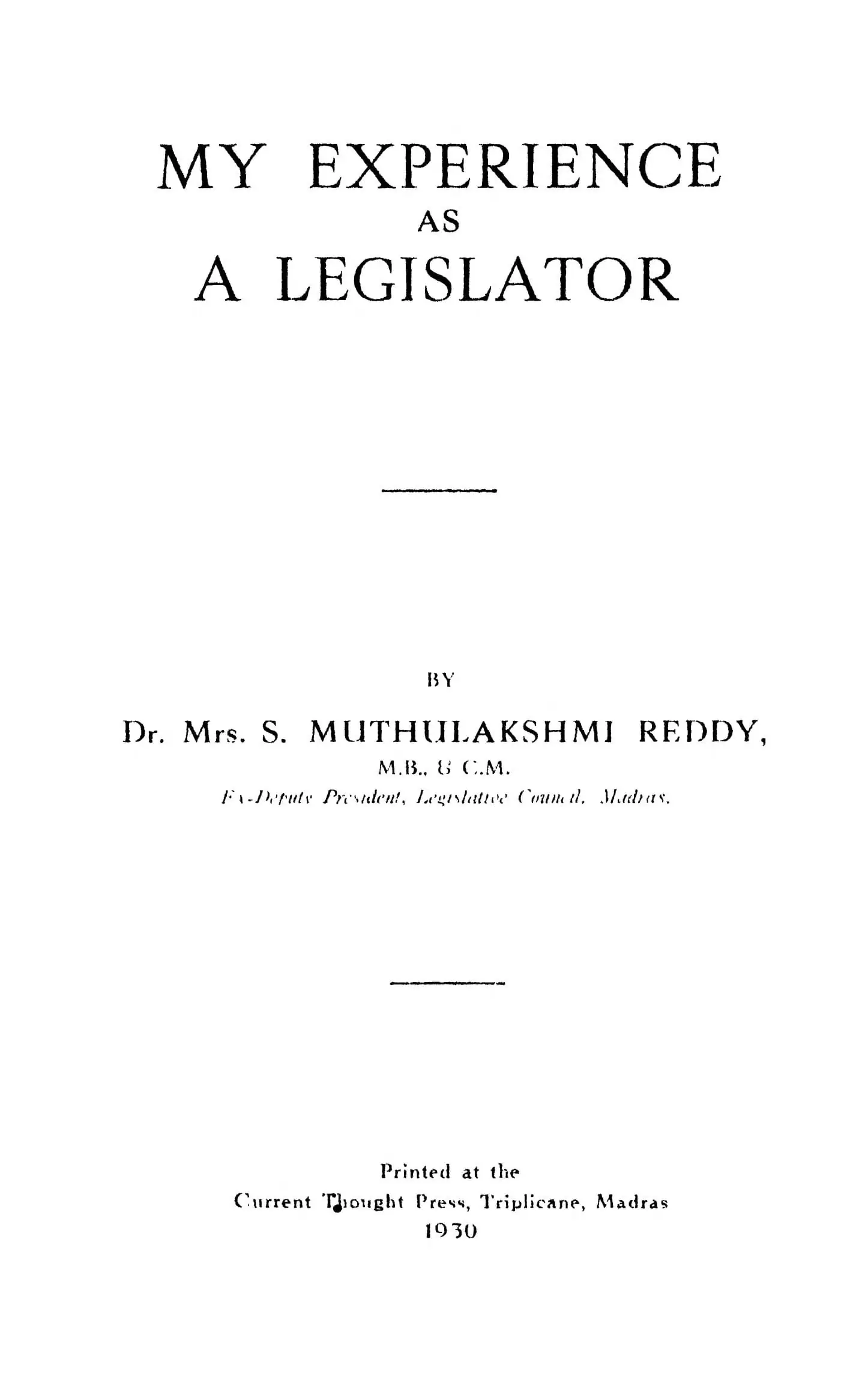
The first Justice government issued the first communal Government Order, making an elected body the first in Indian legislative history to provide for reservation. It also exposed who the new system left out.
1921
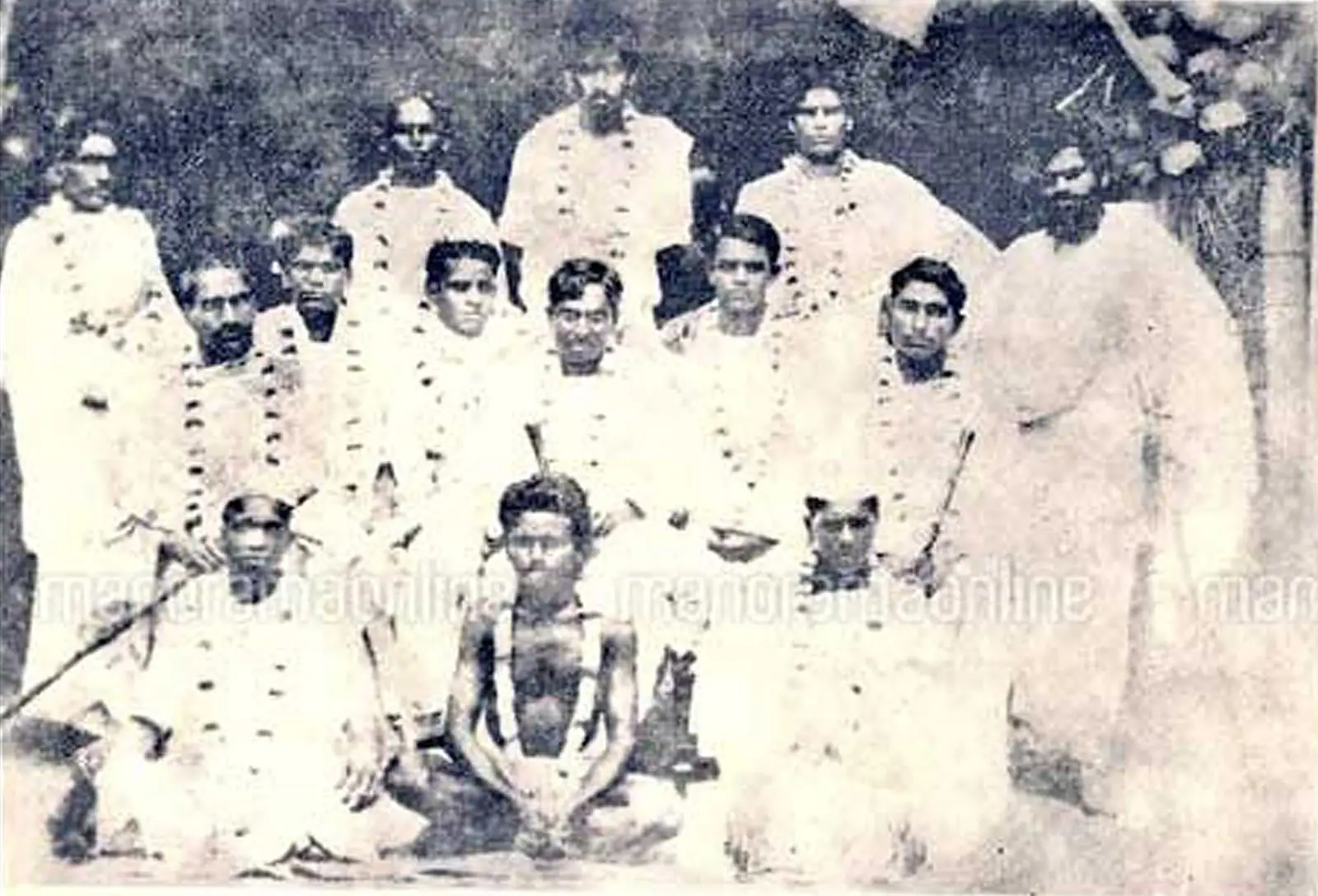
The first Justice government made voter qualifications gender-neutral, among the earliest such moves in British India. Five years later Dr Muthulakshmi Reddi entered the Legislative Council.
1925
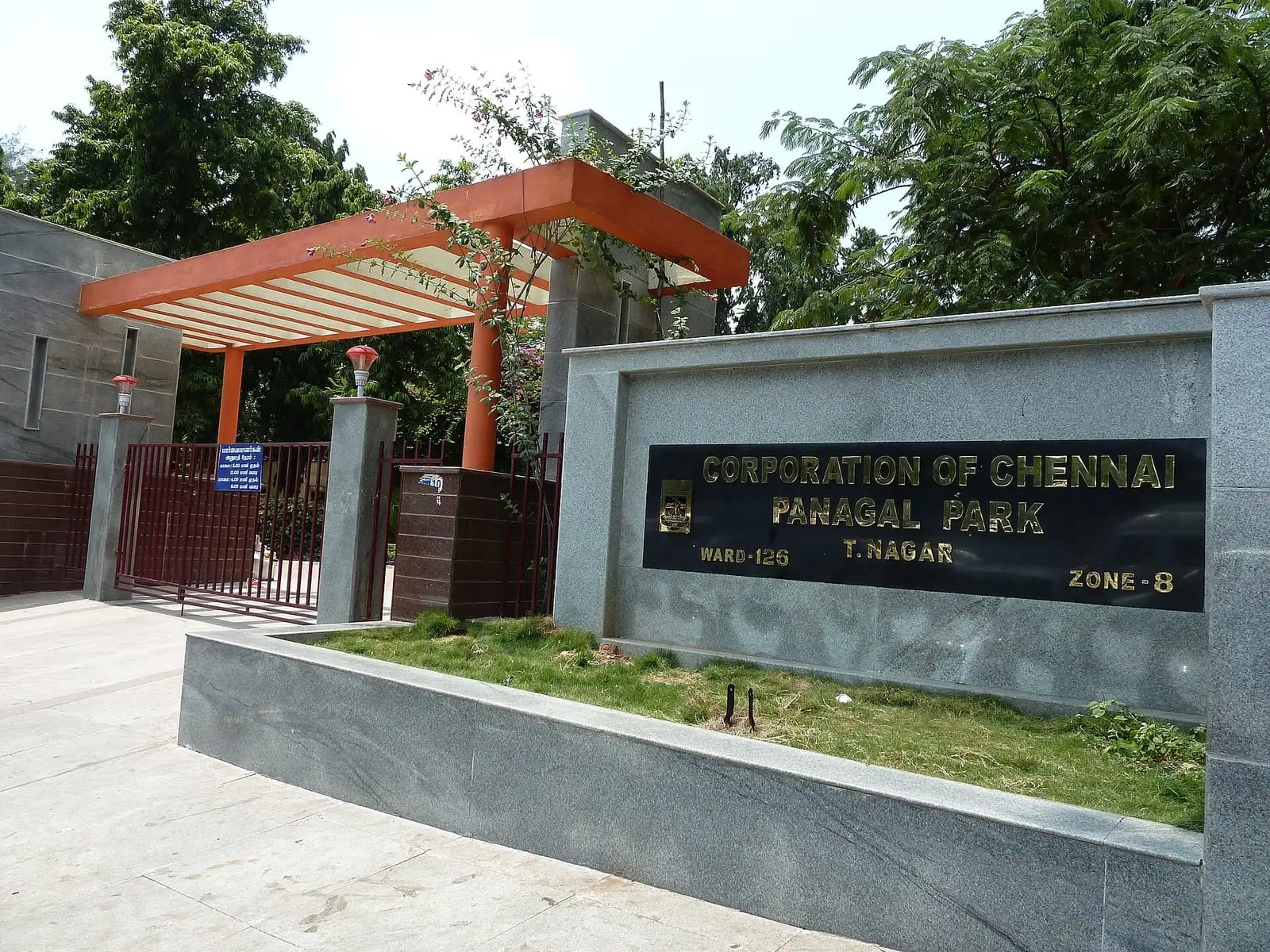
Periyar left the Congress in 1925 and led a movement that asked for more than jobs and seats. For a decade it worked alongside the Justice Party, and in the end it took the party over.
1925
The Hindu Religious Endowments Act, introduced by the Justice government and passed in 1925, set the pattern for State oversight of temples that Tamil Nadu still follows. The same ministry left Andhra University, Annamalai University and a new neighbourhood in Madras.
1937
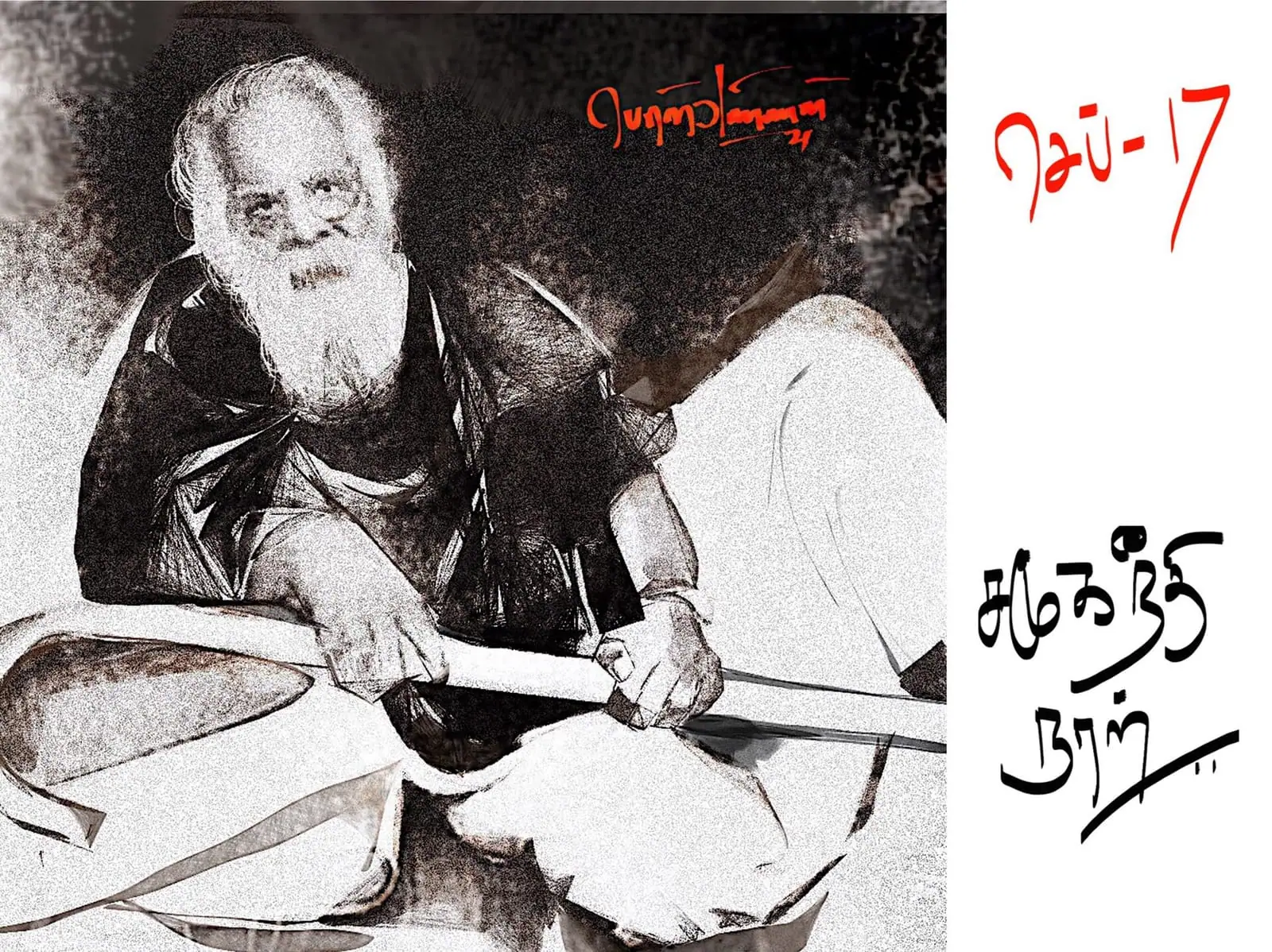
A Congress government's order making Hindi compulsory in 125 secondary schools set off thirty months of protest. Two men died, about 1,200 people were jailed, and a defeated party found a new purpose under Periyar.
1944
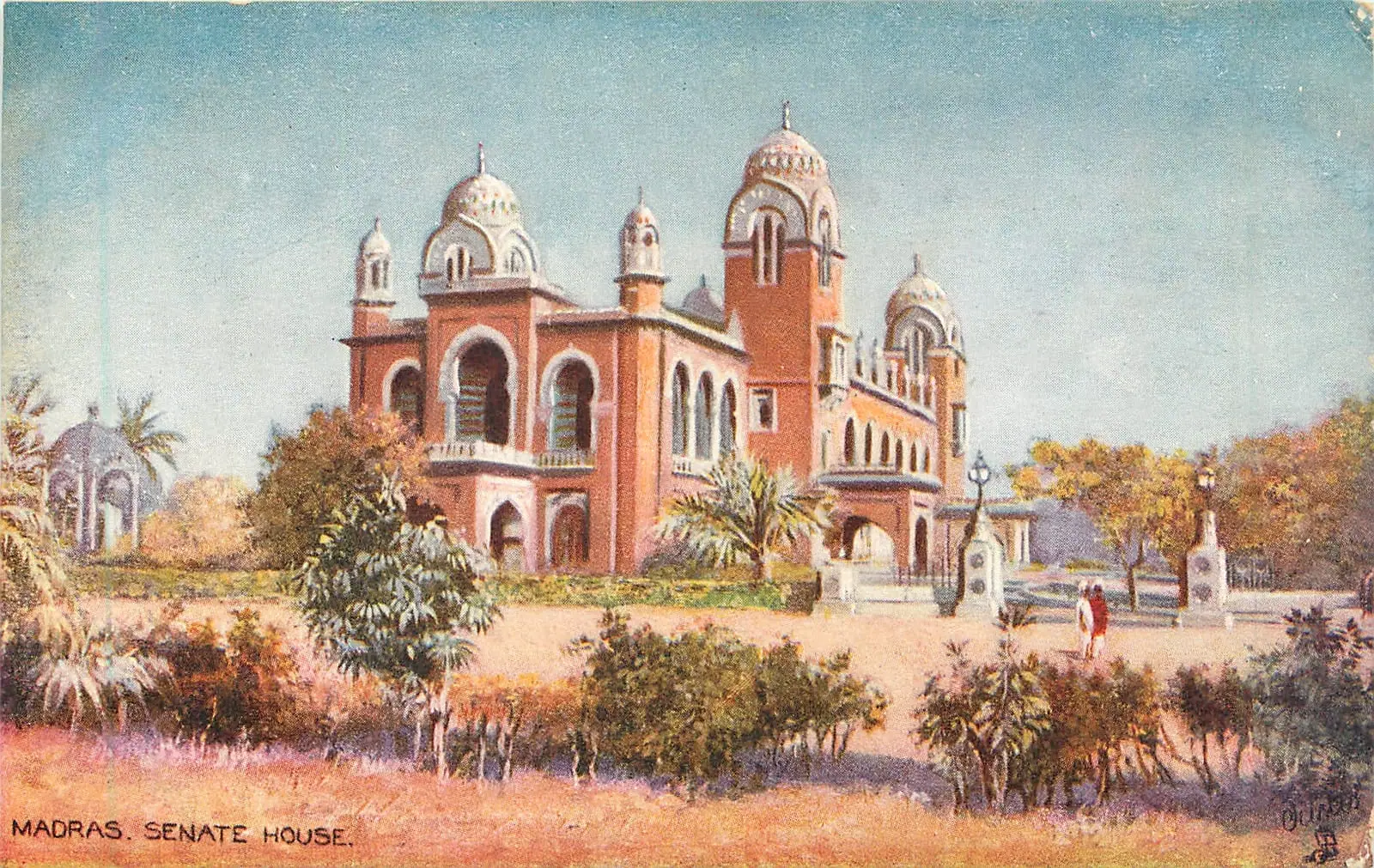
At its sixteenth confederation, the party gave up British titles, caste suffixes and elections, and took a new name. A rump that refused the change fought one last election in 1952.