1937–40: the first anti-Hindi agitation and the Justice Party's second life
A Congress government's order making Hindi compulsory in 125 secondary schools set off thirty months of protest. Two men died, about 1,200 people were jailed, and a defeated party found a new purpose under Periyar.
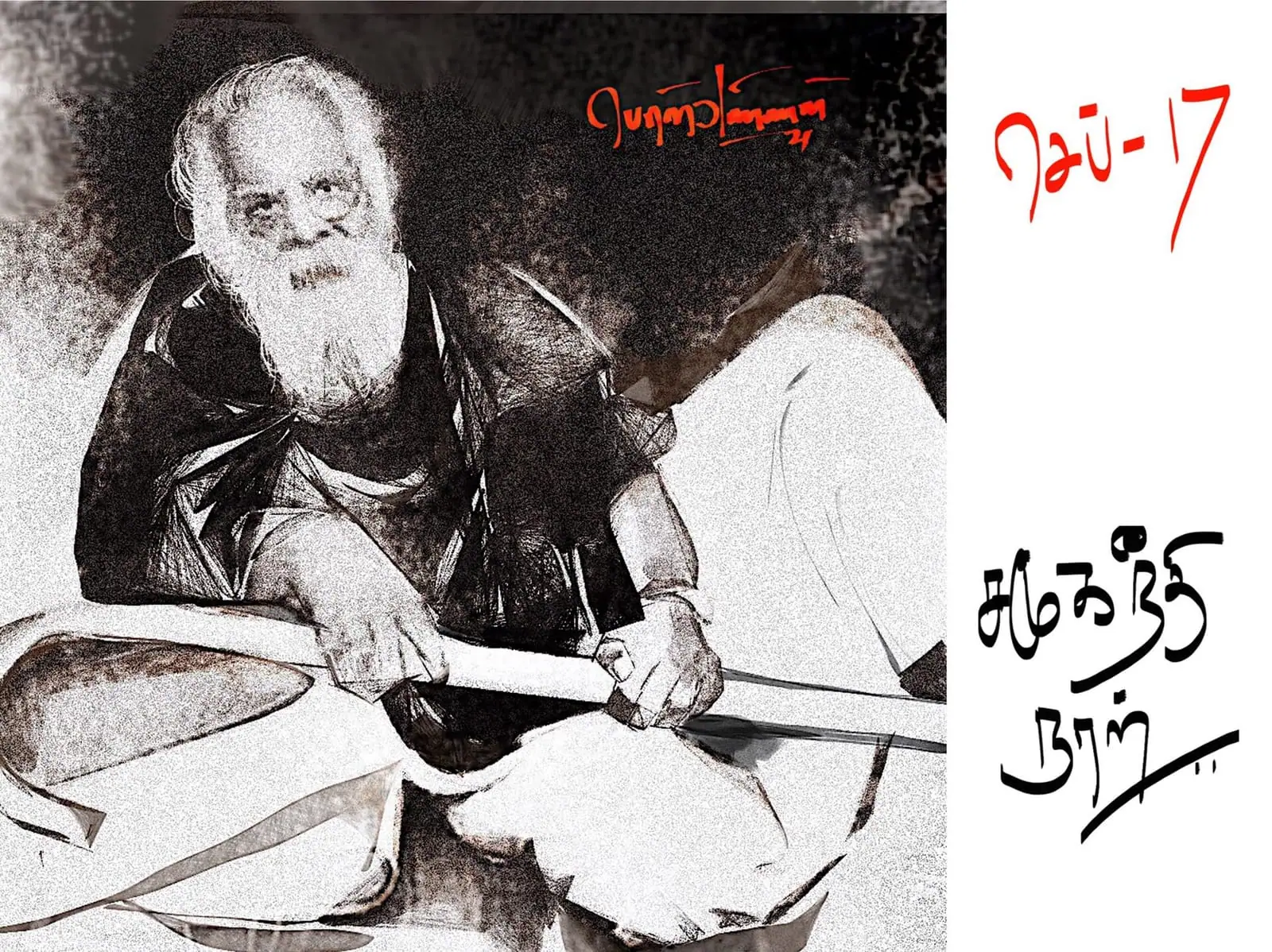
Explainer
The Congress swept the 1937 elections in Madras and C. Rajagopalachari (Rajaji) became Chief Minister on 14 July 1937. He had already argued for Hindi in an article in the Tamil daily Swadesamitran on 6 May 1937:
C. Rajagopalachari, Swadesamitran, 6 May 1937 (English translation as quoted in Wikipedia)"Government employment is limited. All cannot get it. Therefore one has to search for other jobs. For that and for business, knowledge of Hindi is necessary. Only if we learn Hindi, the south Indian can gain respect among the others."
What happened
On 11 August 1937 he announced plans to introduce Hindi in secondary schools, and on 21 April 1938 a Government Order made Hindi compulsory in 125 secondary schools. The Justice Party, now led by A. T. Pannirselvam, one of the few party leaders to survive the 1937 defeat, joined Periyar's Self-Respect Movement in opposing it. An anti-Hindi conference met on 4 October 1937.
Thirty months of protest
The agitation used fasts, conferences, marches, black flags and picketing of schools and government offices. It was strongest in Ramnad, Tirunelveli, Salem, Tanjore and North Arcot. Tamil scholars including Maraimalai Adigal joined it, as did large numbers of women, among them Moovalur Ramamirtham and Dr S. Dharmambal; a Tamil Nadu Women's Conference met on 13 November 1938 in support. A "Tamil brigade" marched from Trichy on 1 August 1938, covering 234 villages and 60 towns in 42 days before reaching Madras on 11 September.
The government responded with arrests. About 1,200 people, Periyar among them, were jailed. Two young protesters, L. Natarajan and Thalamuthu, died after being arrested, in January and March 1939, and became the movement's martyrs. C. N. Annadurai, then a rising orator, told one meeting that if the hunger striker Stalin Jagadeesan died, he was ready to take his place.
The Governor's verdict
Even the colonial Governor recognised the strength of feeling. In July 1938 Lord Erskine wrote to the Viceroy:
Lord Erskine, Governor of Madras, to Viceroy Linlithgow, July 1938 (as quoted in Wikipedia)"Compulsory Hindi has been the cause of great trouble in this province and is certainly contrary to the wishes of the bulk of the population..."
Outcome and legacy
The Congress ministry resigned in October 1939 over India's involvement in the Second World War. On 21 February 1940, under Governor's rule, Erskine withdrew compulsory Hindi instruction. The agitation revived the Justice Party's fortunes and placed it under Periyar, who became its president on 29 December 1938.
The movement also set a template. When Hindi was again proposed as India's sole official language in the 1960s, Tamil Nadu's response drew on the methods, the slogans and many of the leaders of 1937–40. The debate over language in schools, from the two-language policy to national education policy, still echoes it.
Sources
Share this story
Related articles
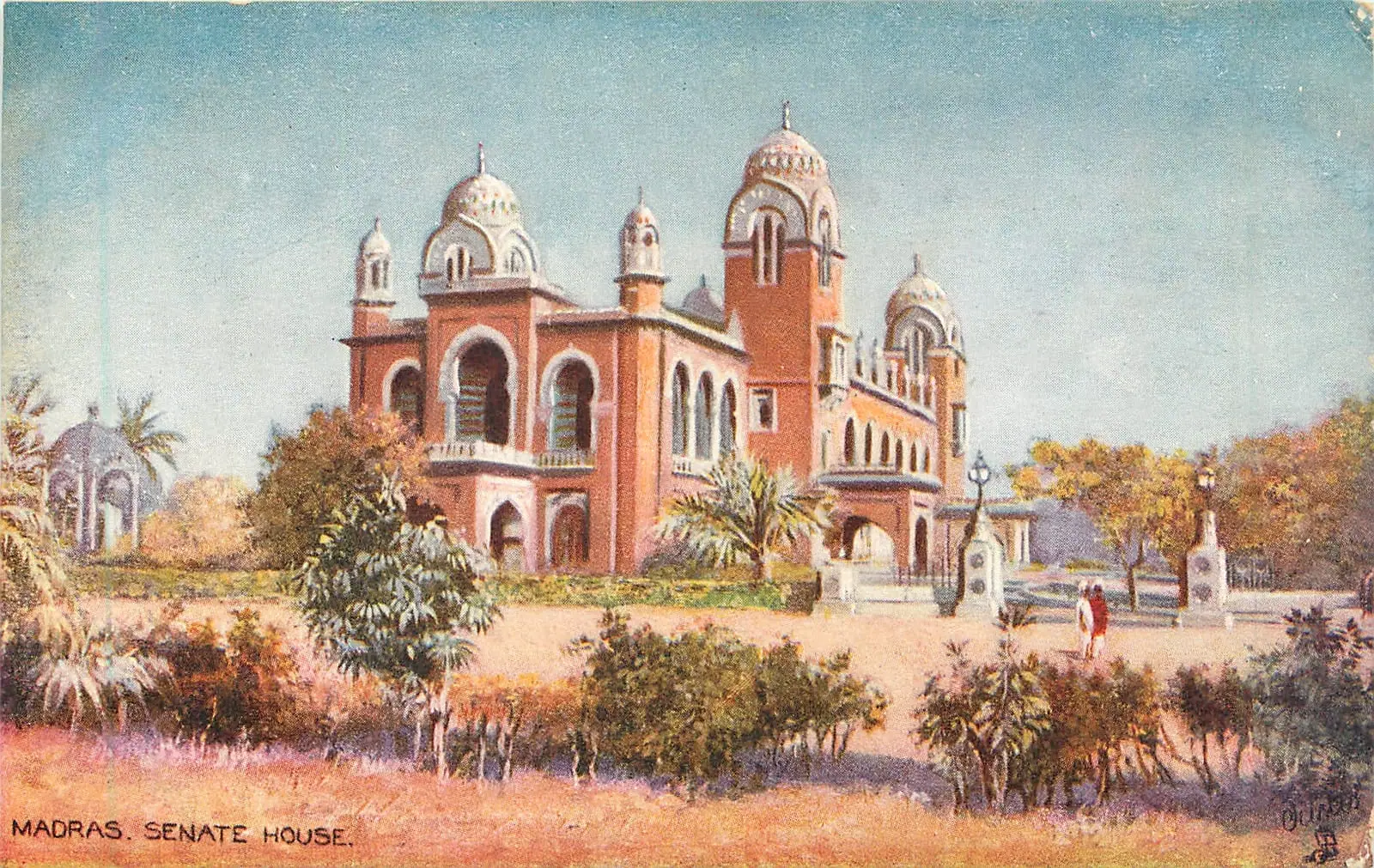
27 August 1944: at Salem, the Justice Party becomes the Dravidar Kazhagam
At its sixteenth confederation, the party gave up British titles, caste suffixes and elections, and took a new name. A rump that refused the change fought one last election in 1952.
· 2 min read
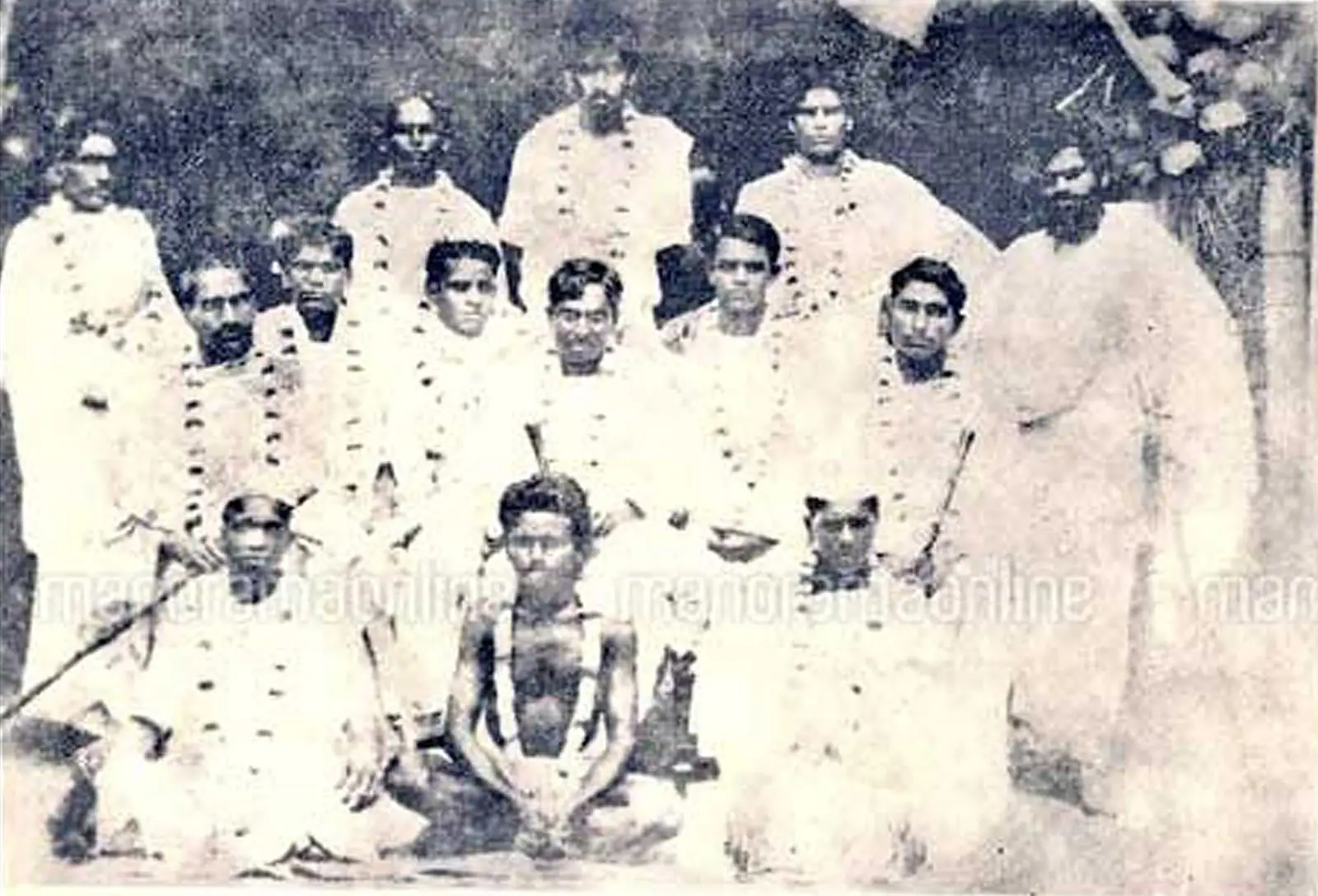
From Vaikom to Kudi Arasu: how the Self-Respect Movement found the Justice Party
Periyar left the Congress in 1925 and led a movement that asked for more than jobs and seats. For a decade it worked alongside the Justice Party, and in the end it took the party over.
· 2 min read
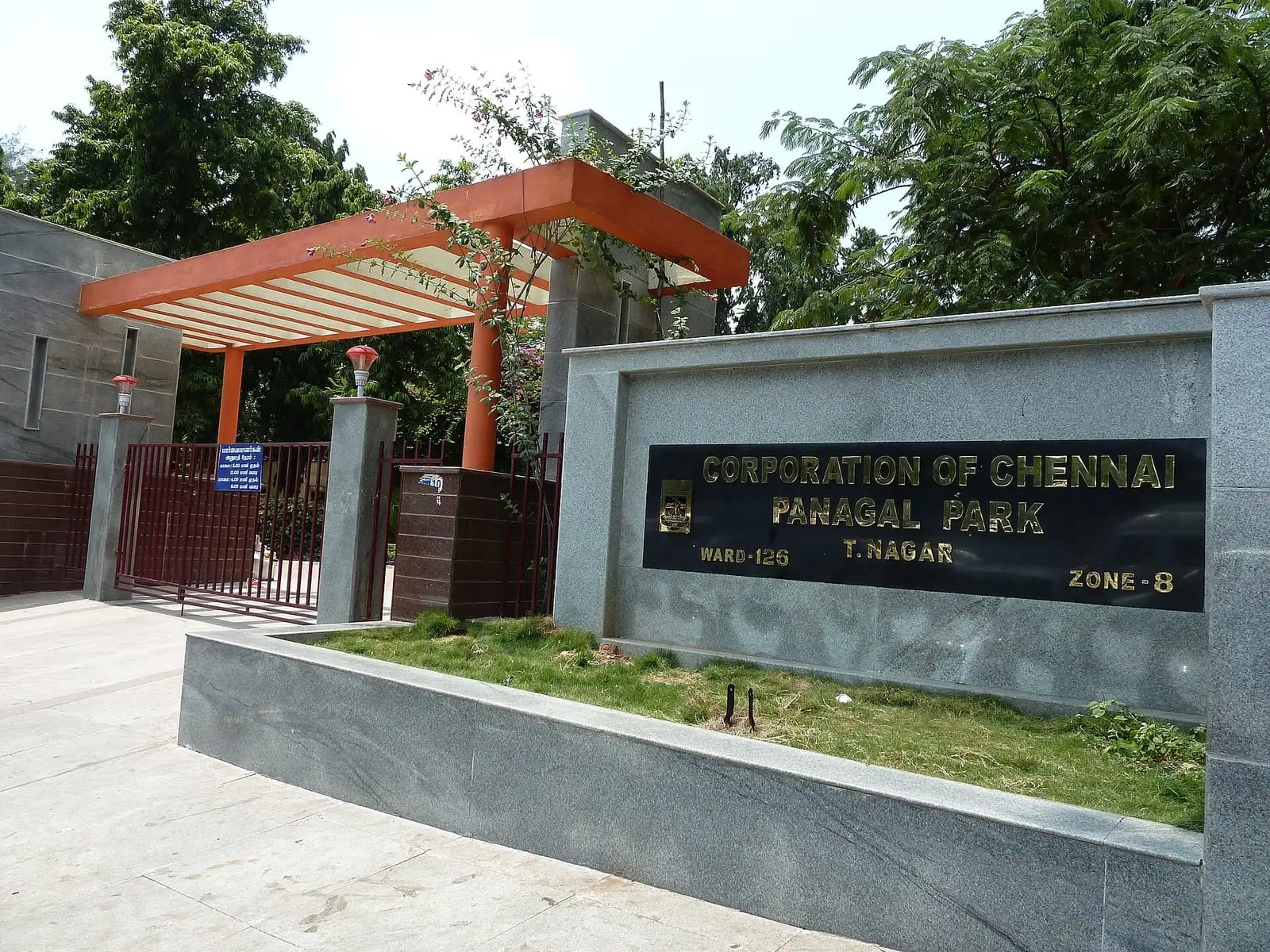
Temples, universities and T. Nagar: the Raja of Panagal's lasting reforms
The Hindu Religious Endowments Act, introduced by the Justice government and passed in 1925, set the pattern for State oversight of temples that Tamil Nadu still follows. The same ministry left Andhra University, Annamalai University and a new neighbourhood in Madras.
· 2 min read
December 1920: the first elected ministry of Madras, and the limits of dyarchy
The Justice Party won 63 of 98 seats in the first elections under the Montagu–Chelmsford reforms. Its ministers soon discovered how little power "transferred subjects" really carried.
· 2 min read