16 September 1921: G.O. No. 613 and the birth of reservation in public appointments
The first Justice government issued the first communal Government Order, making an elected body the first in Indian legislative history to provide for reservation. It also exposed who the new system left out.
Explainer
On 16 September 1921, the first Justice Party government passed the first communal Government Order, G.O. No. 613. It provided for the representation of different communities in public appointments. Wikipedia's account of the party describes this as the first time an elected body in Indian legislative history legislated reservations, which have since become standard across the country.
Why it was needed
The demand grew out of the figures that had driven the movement from the start. In the early twentieth century, Brahmins held most of the government posts open to Indians in the Madras Presidency, well beyond their share of the population. The party had argued since 1916 that a government drawn from one small group could not serve all its people fairly.
The idea of communal representation was not new to the British administration either. From 1912 the Madras Secretariat had used "Brahmin or non-Brahmin" as a criterion in job appointments, and by 1918 it kept lists of both. What the Justice government did was to make representation a matter of public policy decided by elected ministers.
Who was left out
Context
The order did not end complaints; it changed them. Muslims, who had supported the first Justice ministry, soon felt that the new system favoured a few non-Brahmin Hindu castes. In late 1923 a Muslim member of the council, Abbas Ali Khan, explained the disillusionment:
Abbas Ali Khan, Madras Legislative Council, late 1923 (as quoted in Wikipedia)I have found out from actual experience that whenever the question of experience came in, they always preferred a Mudaliar, a Nayudu, a Chettiar, or a Pillai but not a Muhamaddan
What it tells us
The Scheduled Castes, led in the council by M. C. Rajah, drifted away over the same years. Historians conclude that the party came to represent a handful of dominant non-Brahmin castes and failed to convince other groups that it would share the gains of reservation.
That criticism is part of the order's legacy too. Every later expansion of reservation in Tamil Nadu, from the separate shares for Backward Classes and Scheduled Castes to the debates over sub-quotas within them, has wrestled with the question Abbas Ali Khan raised in 1923: representation for whom?
Sources
Share this story
Related articles
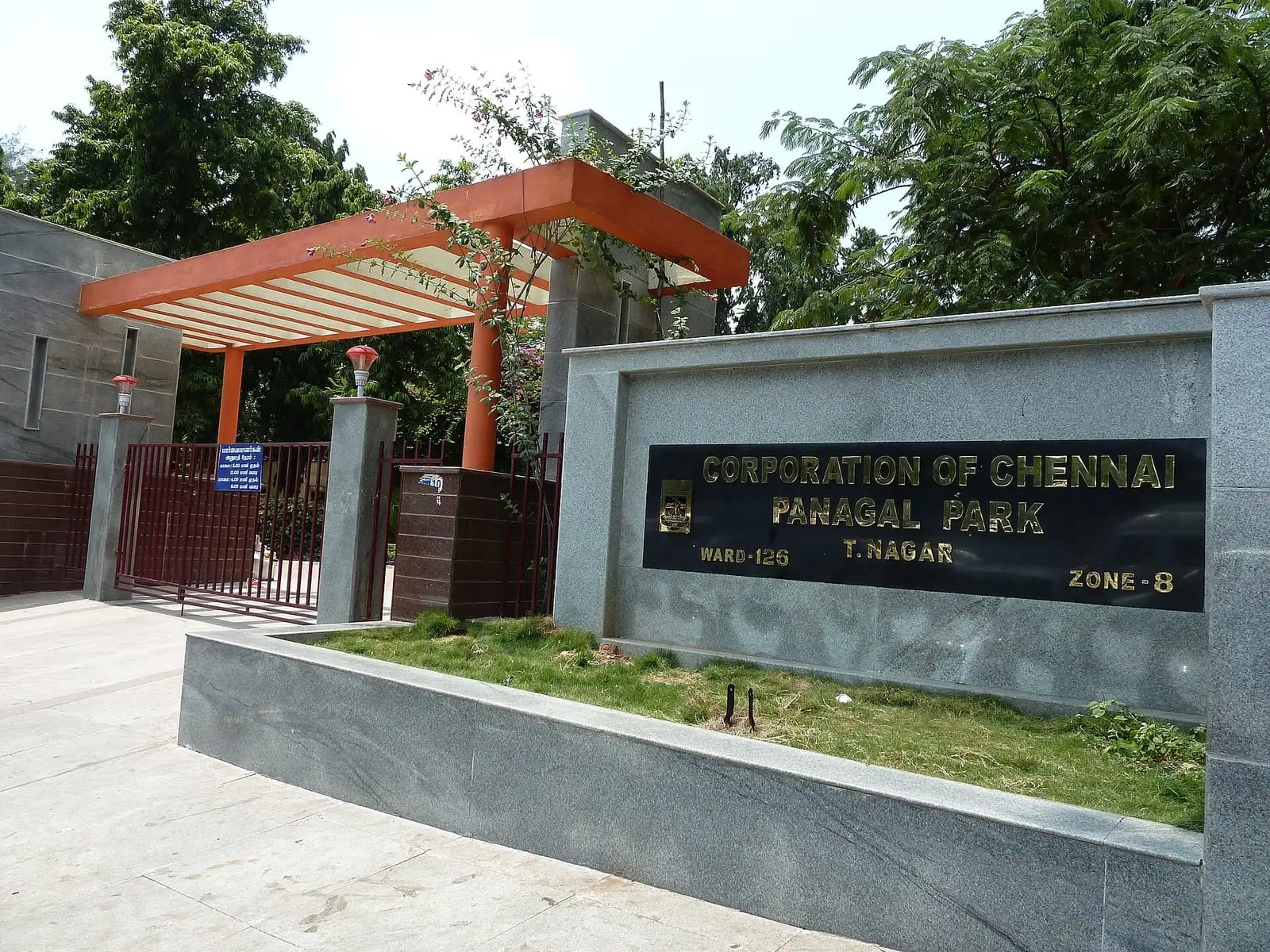
Temples, universities and T. Nagar: the Raja of Panagal's lasting reforms
The Hindu Religious Endowments Act, introduced by the Justice government and passed in 1925, set the pattern for State oversight of temples that Tamil Nadu still follows. The same ministry left Andhra University, Annamalai University and a new neighbourhood in Madras.
· 2 min read
1 April 1921: when Madras let women vote, and what followed
The first Justice government made voter qualifications gender-neutral, among the earliest such moves in British India. Five years later Dr Muthulakshmi Reddi entered the Legislative Council.
· 2 min read
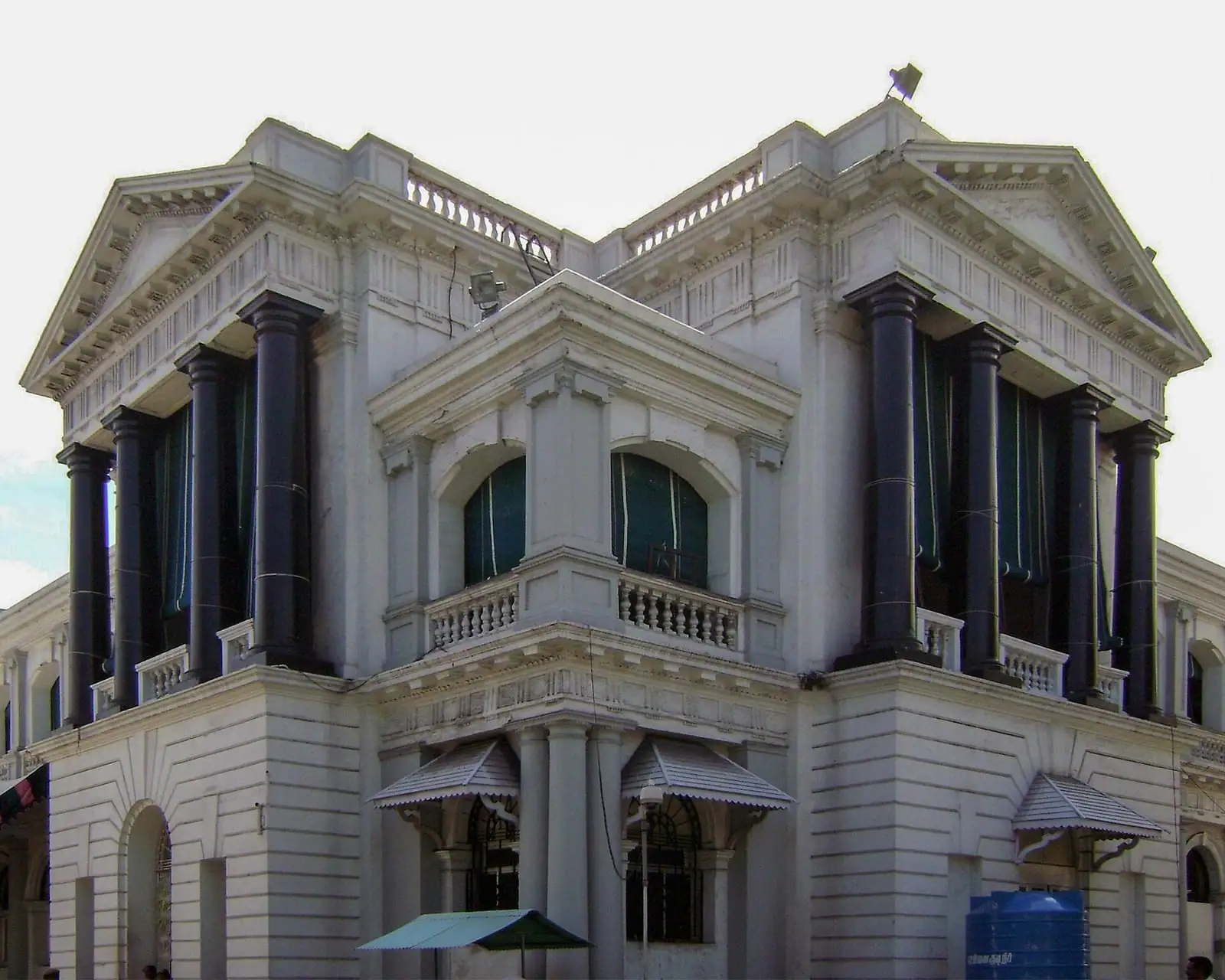
December 1920: the first elected ministry of Madras, and the limits of dyarchy
The Justice Party won 63 of 98 seats in the first elections under the Montagu–Chelmsford reforms. Its ministers soon discovered how little power "transferred subjects" really carried.
· 2 min read
26 February 1917: the newspaper that gave a party its name
Justice, edited without pay by Dr T. M. Nair, became so identified with the movement that the South Indian Liberal Federation came to be called the Justice Party. Its pages show both the movement's courage and its blind spots.
· 2 min read