Opinion
A street should not carry a caste
The High Court has done what successive governments promised in 1978 and never finished. The State's status report must be honest, public and followed by a deadline.
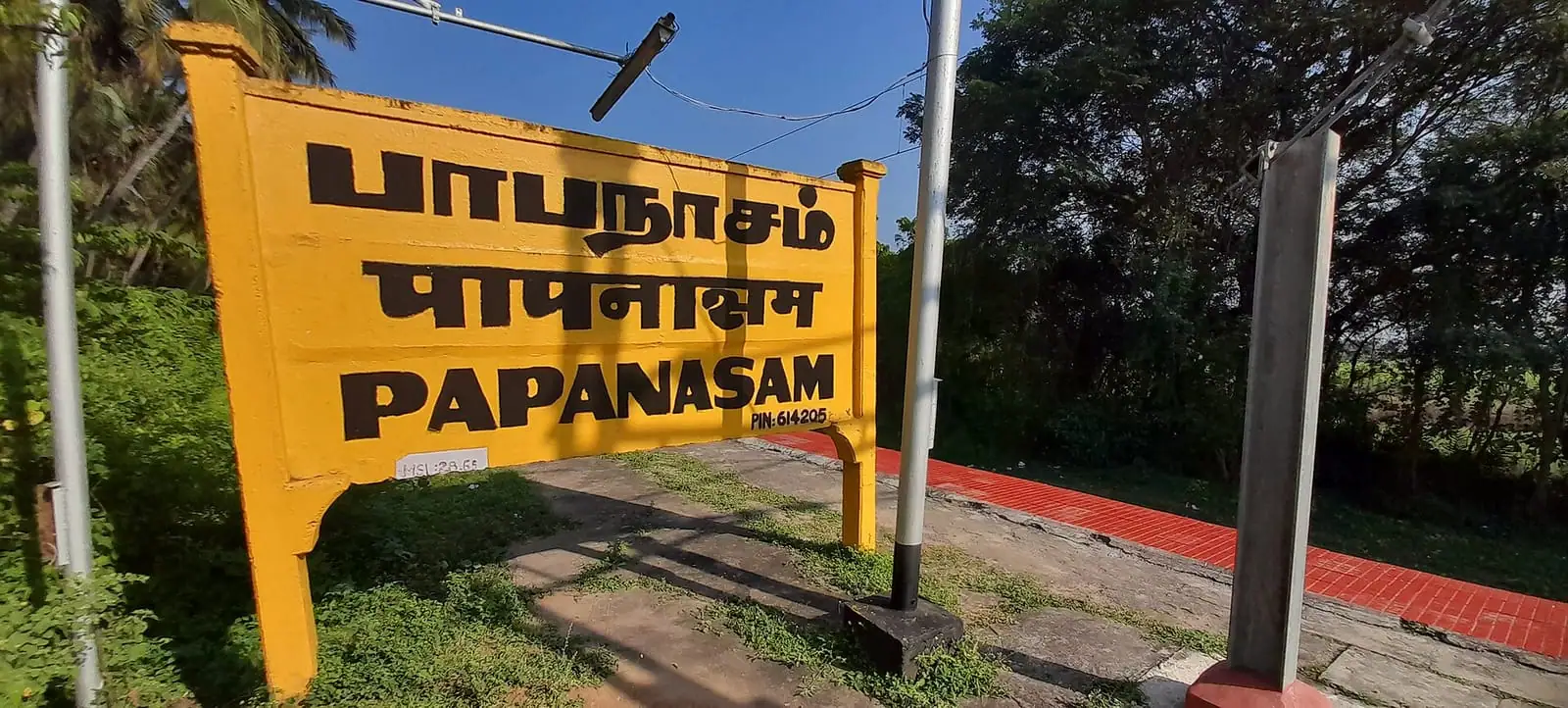
A place name is not a small thing. It is written on a ration card, an Aadhaar record, a school certificate and a police report. When the name of a street is the name of a caste, every one of those documents tells a stranger something the State has no business telling: who your ancestors were assumed to be, and where you were expected to stay.
That is why the Madras High Court's decision on Thursday to take up a suo motu public interest case on caste names in streets, roads and localities is welcome. It is also an indictment. The State issued an order in 1978 asking local bodies to remove such names. The courts have repeated the direction since 2018. Nearly half a century later, a police FIR in Namakkal district could still describe a place as "Pallar Street", and it took a bail hearing before Justice N. Ramesh to bring the matter back to court.
Promises with no deadline
The pattern is familiar. Governments announce reforms that cost nothing to declare and something to carry out, and then let the files sleep. The renaming of the Adi Dravidar and Tribal Welfare Department as the Social Justice Department, now done, was reportedly pending for years. One former Secretary called it the only file the Cabinet never resolved.
The Bench led by Chief Justice Sushrut Arvind Dharmadhikari has asked the State for a status report within four weeks, listing which caste references have gone and which remain. That report should not be a formality. It should be published, district by district, so that citizens can check it against the boards on their own streets.
Rename with people, not over them
Renaming must be done with care. Some names that sound like caste labels have become the pride of the communities that live there, sometimes reclaimed after long struggles. Others were imposed from outside to mark people as lesser. Local bodies should consult residents, offer alternatives drawn from local history, Tamil literature or people who served the area, and pay for the paperwork, so that no family has to spend a week in government offices because its address changed.
An old idea in this city
The Justice Party, whose newspaper gave this publication its name, argued more than a century ago that public life in the Madras Presidency should not be the property of a few castes. Its governments opened public appointments to communities that had been shut out. Its record was not complete: M.C. Rajah, the foremost leader of the then Depressed Classes, left the party in 1923 over its treatment of them. That history is a reason to finish the work, not to praise it. Removing caste from the map of public space is part of the same unfinished task.
The High Court has given the State four weeks. The State should use them to set a deadline of its own, and keep it.
Sources
Share this story
Related articles
Resign, switch, recontest: the loophole voters are paying for
The Madurantakam and Dharapuram byelections were caused by two MLAs who resigned and changed parties a month after being elected. The Tenth Schedule cannot stop this. Parliament should.
· 2 min read
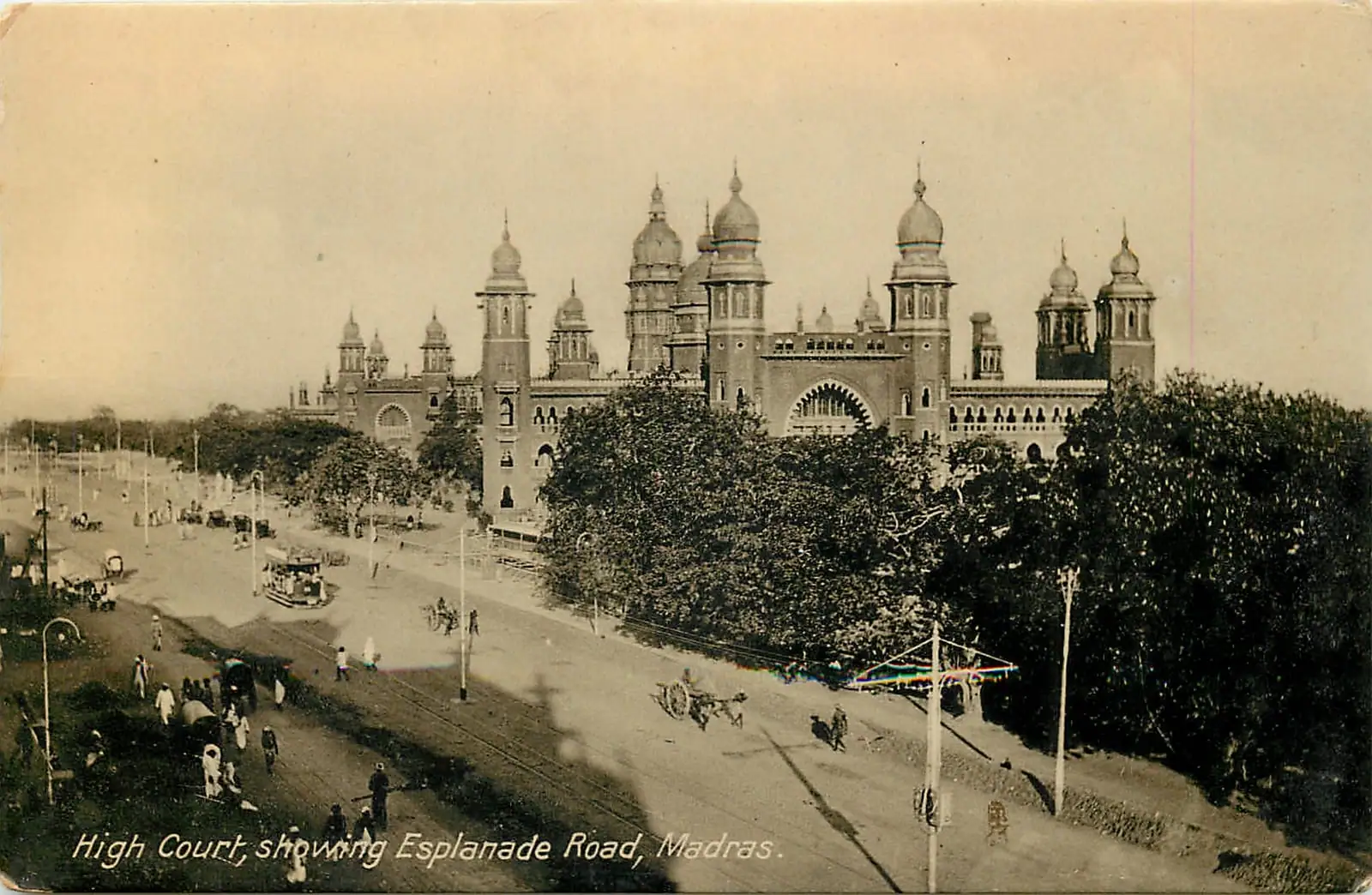
Madras High Court opens suo motu case to strip caste names from Tamil Nadu's streets
A Division Bench led by Chief Justice Sushrut Arvind Dharmadhikari has given the State four weeks to report which caste appellations on streets, roads and localities have been removed, and which still remain, nearly five decades after a 1978 order first demanded it.
· 4 min read

Two languages on paper, three on the road: the TVK government must answer the signboard question
The state orders Tamil boards for shopkeepers and puts Hindi on its own highways. The Sathankulam signboard is not a clerical error — it is a mirror of a government that has a two-language policy on paper and no one accountable for it on the ground.
· 2 min read
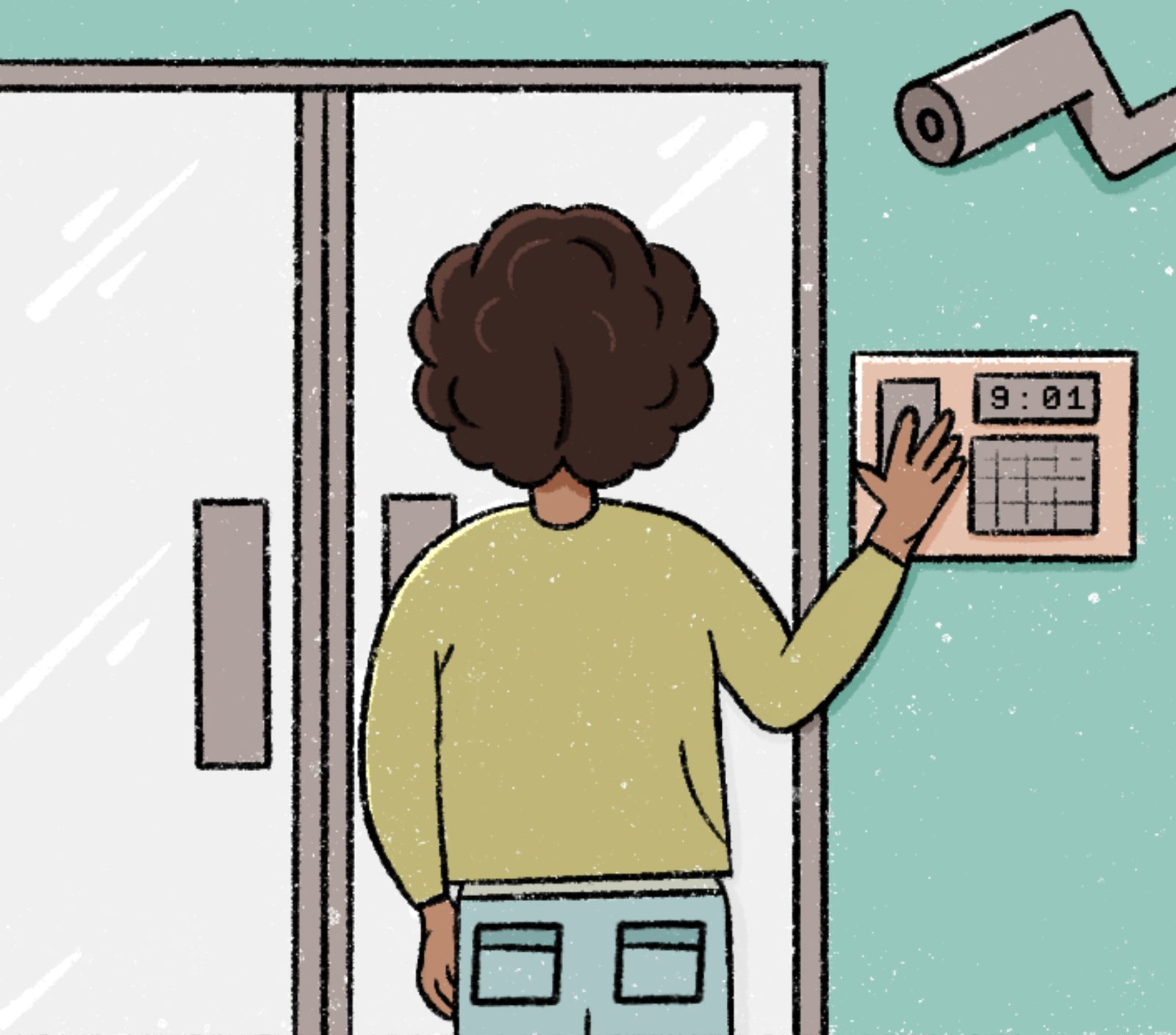
A thumbprint for dinner: the state should not ration dignity
From October 1, subsidised cooking gas needs biometric Aadhaar authentication. Targeting subsidies is legitimate; making the poorest prove themselves at the burner is not.
· 2 min read