Opinion
Opinion: Who eats, who waits, and who is only heard after the cameras arrive
A tonne of ration rice seized in Ranipet and an 87-year-old carried out of her Madrid home tell the same story: systems that count stock and title first, and people only when forced. Periyar's question still stands: who eats, who waits, and who is heard too late?
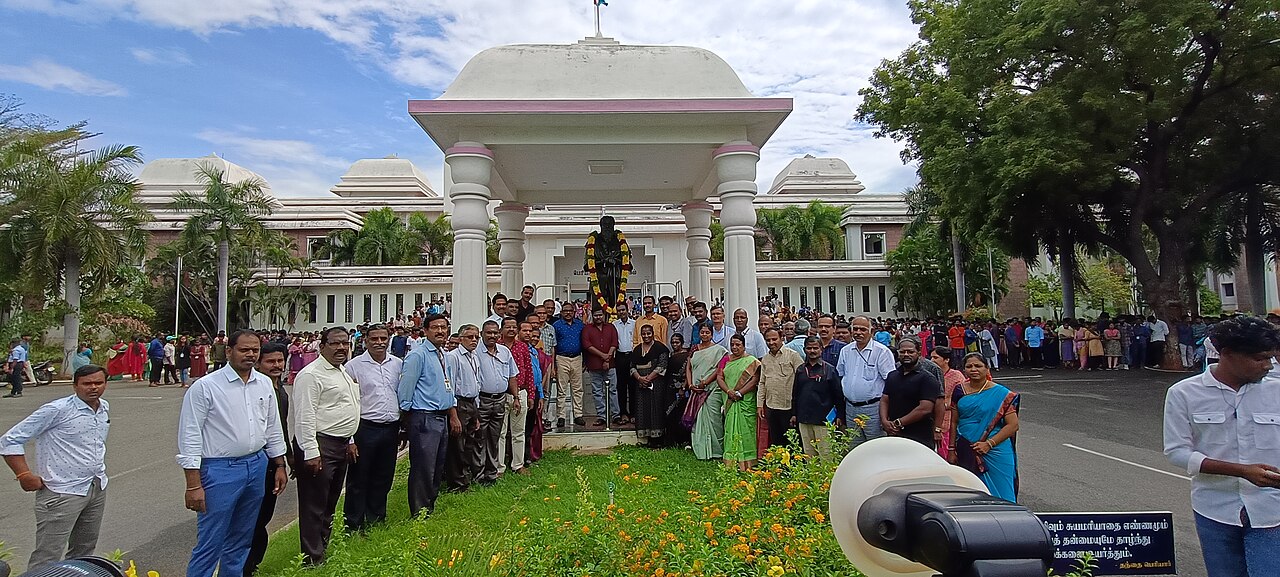
PERIYAR asked a simple question of every comfortable arrangement: who eats, who waits, and who is told that waiting is dignity? This week the question arrives with a tonne of rice attached. In Ranipet, officials seized PDS grain that had left the system meant to feed the poorest cardholder. In Madrid, an 87-year-old woman died after being carried out of the flat she had held since 1956, her home restored by agreement only when return was no longer possible. One story is about food. The other is about shelter. Both are about the same administrative habit: protect the stock, the title and the file first, and discover the person when the queue or the camera makes discovery unavoidable.
A ration shop is not a warehouse with a welfare label. In the Dravidian tradition this paper inherits, from Periyar's self-respect to Anna's insistence that government must reach the last home and Kalaignar's expansion of welfare as a right, public provision was never charity. It was the state repaying a debt to people whose labour built everything the comfortable later claimed as order. Rice that leaks before the shop is therefore not a logistics error. It is a broken promise measured in meals. A leader who cannot keep a tonne inside the system should not lecture the poor on patience.
The same test judges a housing market that calls expulsion efficiency. Madrid's tenant held her home for seventy years and owed no rent under the agreement she lived by. What she lacked was not a legal history. She lacked property. When ownership changed, her past stopped counting at the counter, much as a Tamil Nadu cardholder's claim stops counting when the sack has already left through the back. Societies reveal their caste in such moments, including the castes that wear no ritual name: owner and tenant, stocked and stockless, heard early and heard after the stretcher.
So the demands must be material, not lyrical. Publish district-wise PDS allotment, lifting, sale and seizure figures until diversion has an address and a responsible name. Audit the shops and transport chains behind every interception, and pay the cardholder first when the state cannot account for grain. Protect long tenancies before enforcement in every jurisdiction that calls eviction a mere procedure, with rehousing decided before bailiffs, not after hospital admission. These are not revolutionary requests. They are the minimum bookkeeping of self-respect.
The Justice paper was founded in 1917 to argue that ordinary people are not the residue left after institutions have been served. A century later the residue is still queueing for rice and still being carried out of homes. Governments that want to be judged differently have an easy way to prove it: count what reaches the people before counting what was seized from them.
Sources
Share this story
Related articles
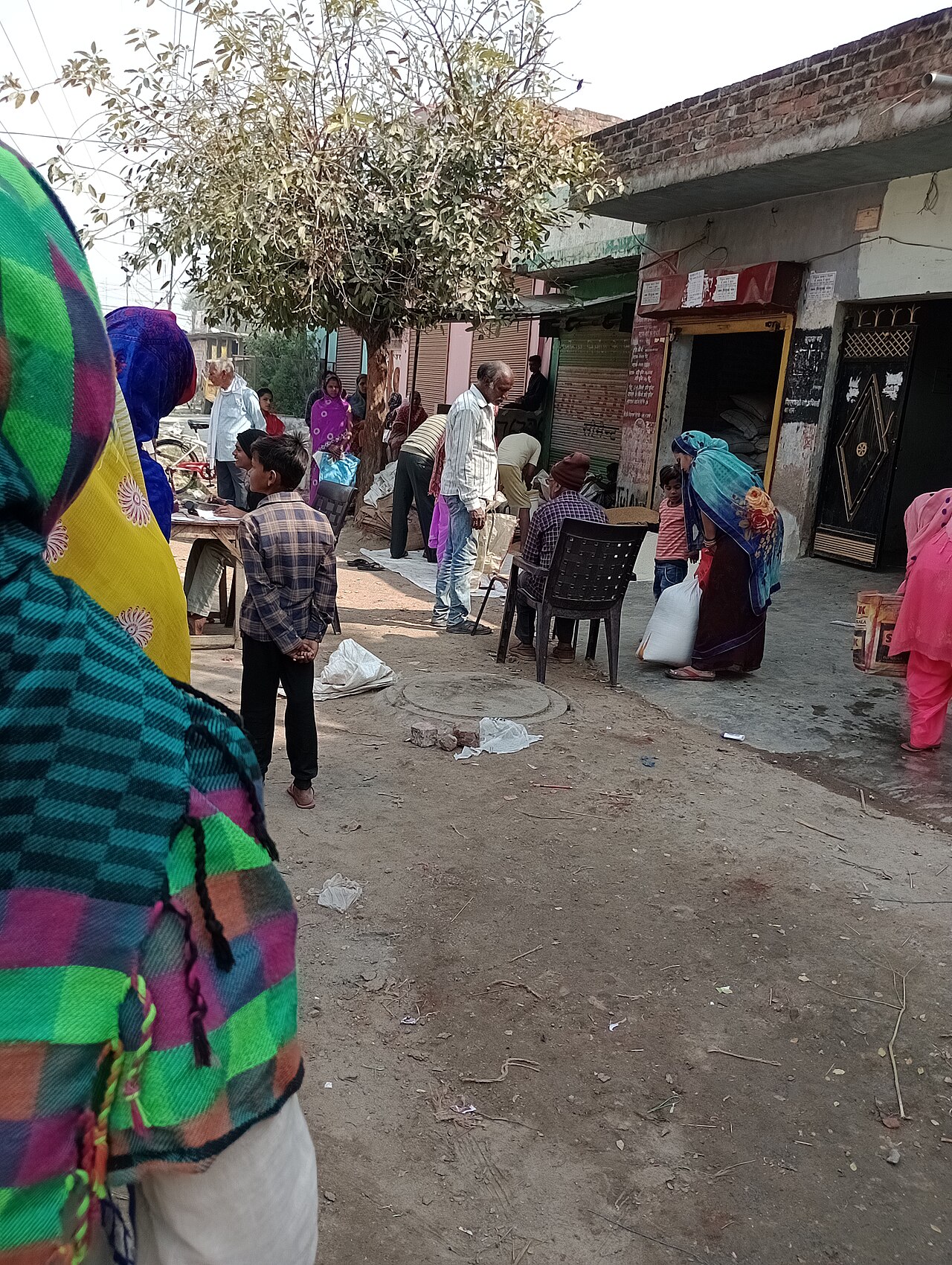
A tonne of ration rice seized in Ranipet, and the queue that never got it
Civil Supplies officials in Ranipet seized one tonne of PDS rice and formed special teams to trace suspects who escaped. Another interception in Tamil Nadu's ration chain raises a plainer question: how much rice meant for the poor is leaking before it reaches a fair-price shop?
· 2 min read
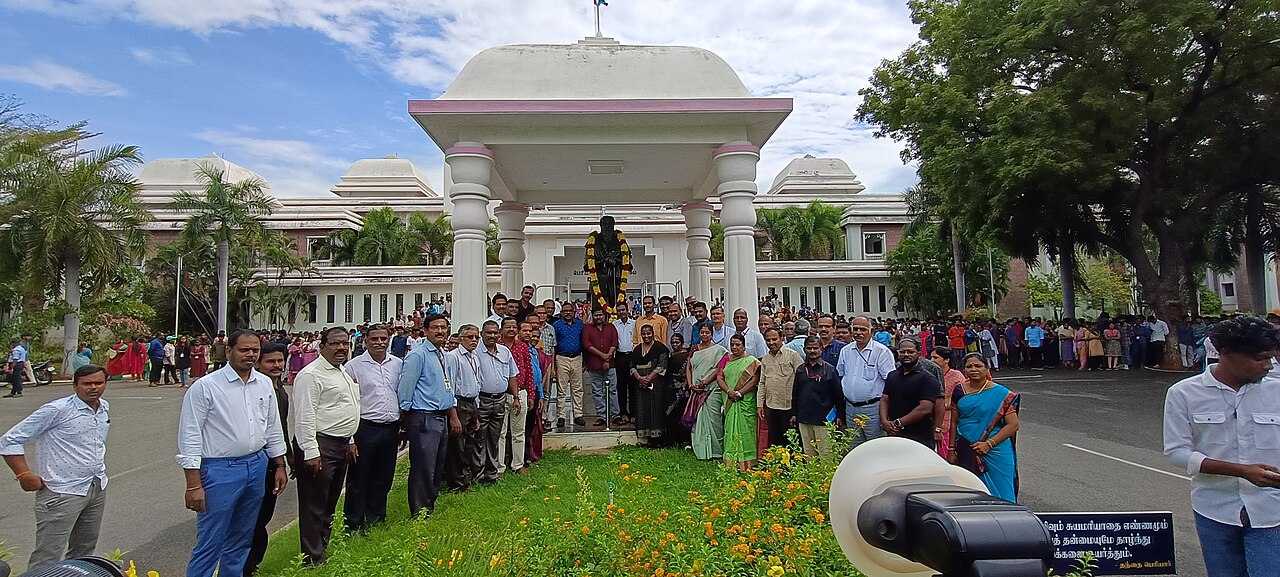
Opinion: A price rise that stops at the counter is not a price rise
Tamil Nadu announced Rs 44 a litre for cow milk and pays Rs 41.25 after society deductions. Judged at the point of receipt, as the Dravidian tradition demands, the hike has not happened.
· 2 min read

Opinion: An affidavit is not a film certificate
The High Court's question about a Rs 30 crore gap in a Rs 600 crore affidavit is not about arithmetic. It is about whether a leader's word is tested like anyone else's before he rules.
· 2 min read
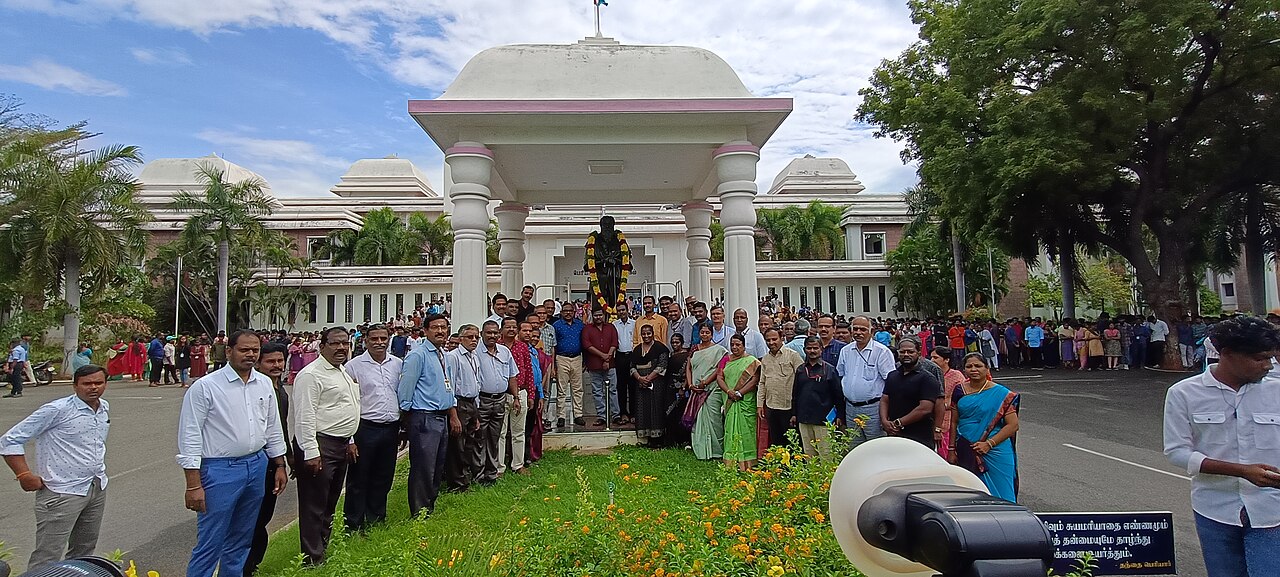
Opinion: A village has to block a road to move a liquor shop
Opinion: Residents won a promise to close a village TASMAC outlet only after blocking a road. A government that sells liquor cannot make citizens become a traffic jam to be heard about where its shops stand.
· 2 min read