Opinion
A thumbprint for dinner: the state should not ration dignity
From October 1, subsidised cooking gas needs biometric Aadhaar authentication. Targeting subsidies is legitimate; making the poorest prove themselves at the burner is not.
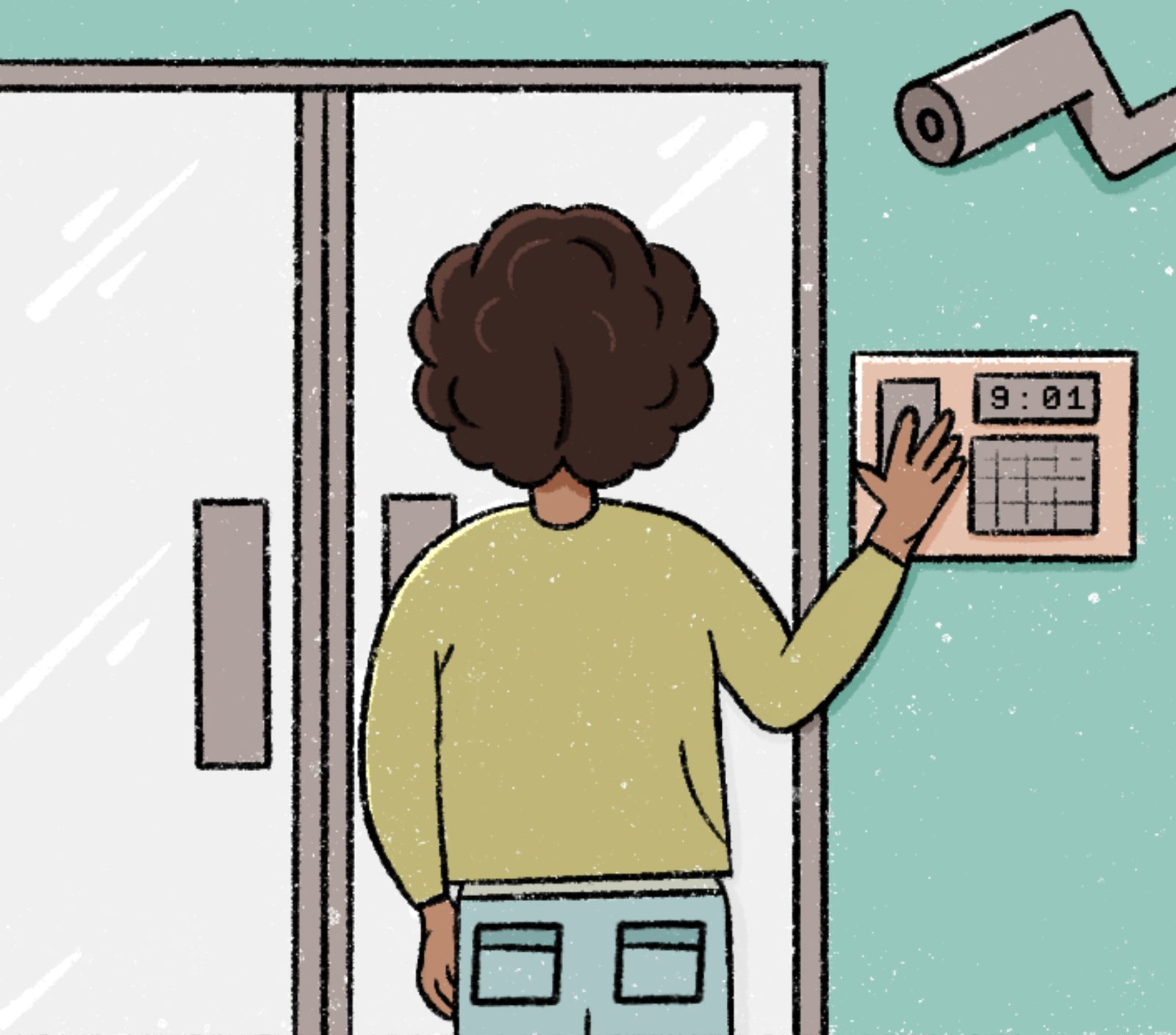
From October 1, a subsidised cylinder of cooking gas in India comes with a condition that has nothing to do with cooking: the buyer's thumbprint. Biometric Aadhaar Authentication is now mandatory for booking refills at the regulated price with subsidy, under a Petroleum Ministry order announced on September 19. The government's case is tidy. 27.43 crore consumers — 89.9 per cent — have already completed authentication, so most households need do nothing. Linking each connection to an Aadhaar-authenticated consumer, the ministry says, stops subsidised cylinders from being diverted to commercial use, weeds out duplicates, and makes the subsidy targeted and transparent. Those who have not finished the process can do it at the doorstep when the delivery person arrives, at the distributor's showroom, or on the oil companies' mobile apps. Nobody, the ministry insists, is being denied gas: without authentication, you simply pay the market price. That last sentence is where the tidy case breaks down. Paying the market price is precisely what a subsidised household cannot do — that is why the subsidy exists. A condition that converts a right into a favour, enforced at the moment of need, is not targeting; it is rationing dignity. India has run this experiment before, and the results are on record. Aadhaar-linked authentication has failed the people it was meant to serve — not in theory, but at ration shops and pension windows, where the fingerprints of agricultural labourers, construction workers and the elderly routinely fail to match, where connectivity fails, where a mismatch means going home empty-handed. The Justice believes welfare should be judged at its point of failure, not its point of success. A system that works for 89.9 per cent and abandons 10.1 per cent is not a targeting mechanism; it is an exclusion machine with good statistics. The deeper question is one of principle, and it is a Dravidian one. Periyar taught that dignity is not the state's to grant — it is the citizen's to hold, and the state exists to serve it. A government that asks a daily-wage worker to press her worn thumb to a scanner before her family can eat has inverted that relationship: the citizen petitions, the machine decides. None of this argues against cleaning up subsidy rolls. Duplicates should be removed, diversion punished, delivery made transparent. But the burden of proof in a welfare state must lie with the state, not the hungry. If the ministry is confident its rolls are 89.9 per cent clean, let it finish the job without holding the kitchen hostage — authenticate over time, through camps and outreach, with a human fallback at every step, and never let a failed fingerprint decide who eats at the subsidised price. The kitchen is not a crime scene. A thumbprint is not a confession. And a subsidy the poor must beg the machine for is not a subsidy at all — it is charity with conditions, and the poor have had enough of both.
Sources
Related articles

Two languages on paper, three on the road: the TVK government must answer the signboard question
The state orders Tamil boards for shopkeepers and puts Hindi on its own highways. The Sathankulam signboard is not a clerical error — it is a mirror of a government that has a two-language policy on paper and no one accountable for it on the ground.
· 2 min read
The file is closed; the question is not: what the Vijayabaskar case says about power and justice
The court has closed the ₹4-crore fraud plea against TVK's C. Vijayabaskar. The legal fact must be respected — but the political question of how corruption cases against the powerful are handled will not close with the file.
· 2 min read
A street should not carry a caste
The High Court has done what successive governments promised in 1978 and never finished. The State's status report must be honest, public and followed by a deadline.
· 2 min read
Resign, switch, recontest: the loophole voters are paying for
The Madurantakam and Dharapuram byelections were caused by two MLAs who resigned and changed parties a month after being elected. The Tenth Schedule cannot stop this. Parliament should.
· 2 min read