Opinion
The U-turn on RTI: a government that fears questions will always fear its people
The TVK government revoked its order shielding the law-and-order department from the RTI Act within six days of public outrage. The reversal is welcome — but the real question is why a government elected on the promise of change ever thought transparency was optional.
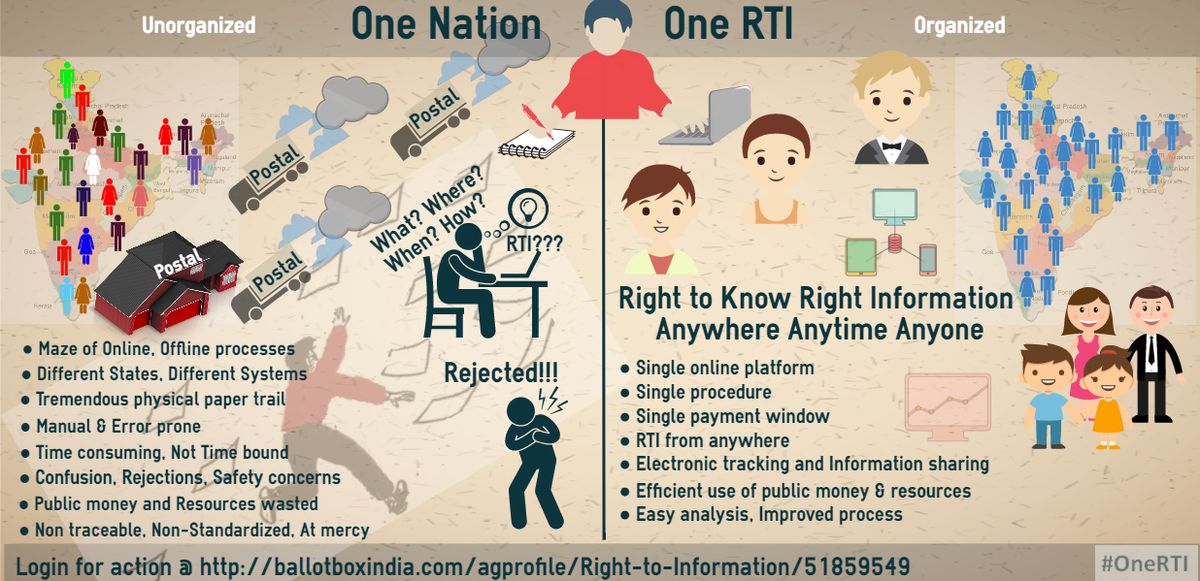
The order lasted six days. That is the good news. The bad news is that it was issued at all.
On September 21, the Tamil Nadu government issued Government Order Ms. No. 57, classifying the Public (Law and Order) Department as an "intelligence and security organisation" under Section 24(4) of the RTI Act, 2005 — a move that would have removed routine RTI access to its records. This is not some obscure administrative cell. The department handles communal and caste clashes, preventive detention under laws like the NSA and COFEPOSA, political and student agitations, and — crucially — inquiry reports on police firing, deaths in police custody, alleged police torture, and deaths of remand prisoners, along with references from the National Human Rights Commission.
In other words: the very records through which citizens hold the police accountable would have been placed beyond the reach of the citizen's most powerful tool.
The gazette notification surfaced publicly on September 27. The backlash was immediate and wide — opposition parties, transparency campaigners, even allies of the ruling TVK. Law Minister C. T. R. Nirmal Kumar first defended the order, then, within the hour, announced its withdrawal. The order, he said, "stands revoked."
We welcome the reversal. But we refuse to treat it as a victory. Governments do not issue such orders by accident. The Section 24(4) route was a deliberate legal choice — a Gazette notification, drafted, approved, and signed — to take one of the state's most sensitive departments out of the sunlight. That the government backed down only after public outrage does not show responsiveness; it shows that the outrage was doing the governing.
Consider what the exemption would have protected. When a citizen asks how many people died in police custody last year, or what inquiry followed a police firing, she is not being anti-government. She is being a citizen. The RTI Act was not a gift from the powerful; it was wrested from them by people's movements, by journalists, by the families of the disappeared and the detained. Every attempt to narrow it — whether through Section 24 notifications or through the slow starvation of information commissions — is an attempt to return to the old bargain: the state knows, the people guess.
Tamil Nadu's own record here is instructive. The State Information Commission runs with only four of eight sanctioned commissioners and no Chief Information Commissioner, and over 41,000 appeals and complaints were pending as of June. A government serious about transparency would fill those vacancies and clear that backlog. Instead, this government reached for an exemption.
The Justice has always held that the right to question is the citizen's first right. A government that fears questions fears its people — and a government elected on the promise of change should be the last to forget that. The order is revoked. The instinct behind it is not. Watch it.
Sources
Related articles

Two languages on paper, three on the road: the TVK government must answer the signboard question
The state orders Tamil boards for shopkeepers and puts Hindi on its own highways. The Sathankulam signboard is not a clerical error — it is a mirror of a government that has a two-language policy on paper and no one accountable for it on the ground.
· 2 min read
The revenue question: when India's tax kitty booms but Tamil Nadu's shrinks, the government must answer
September's GST data is unambiguous: India collected 14.7 per cent more, Tamil Nadu collected 5 per cent less. A government that claims administrative competence cannot shrug off a shrinking tax kitty in a booming economy.
· 2 min read
Hindi letters on a Sathankulam highway signboard spark language row; Stalin accuses TVK government of a 'U-turn'
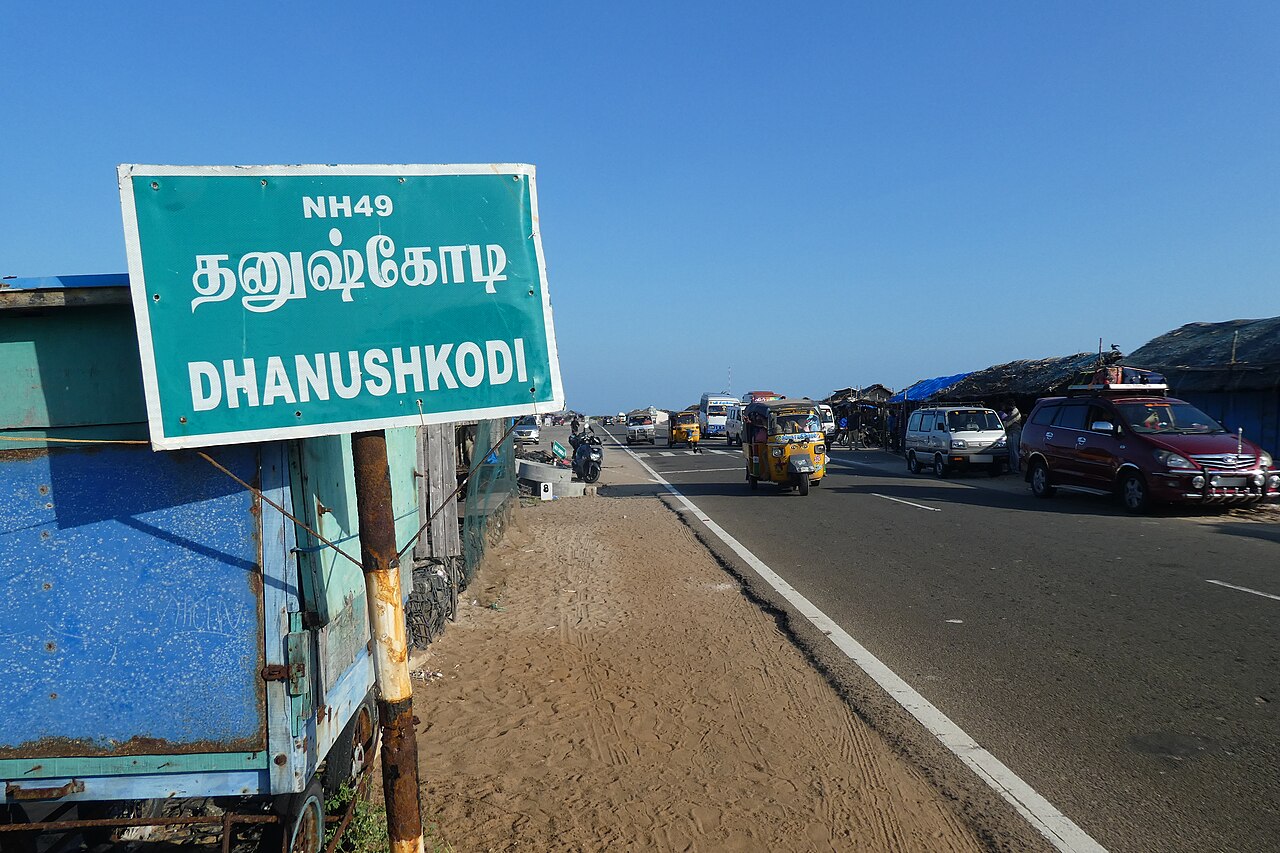
New direction boards on the Sathankulam–Nazareth stretch of State Highway 93 carry destination names in Tamil, English and Hindi, triggering a language controversy. DMK president M.K. Stalin accused the TVK government of doing what it once condemned — and reports suggest the Hindi text has since been removed from the board.
· 1 min read
War of words sharpens as Madurantakam and Dharapuram head to the October 6 bypolls
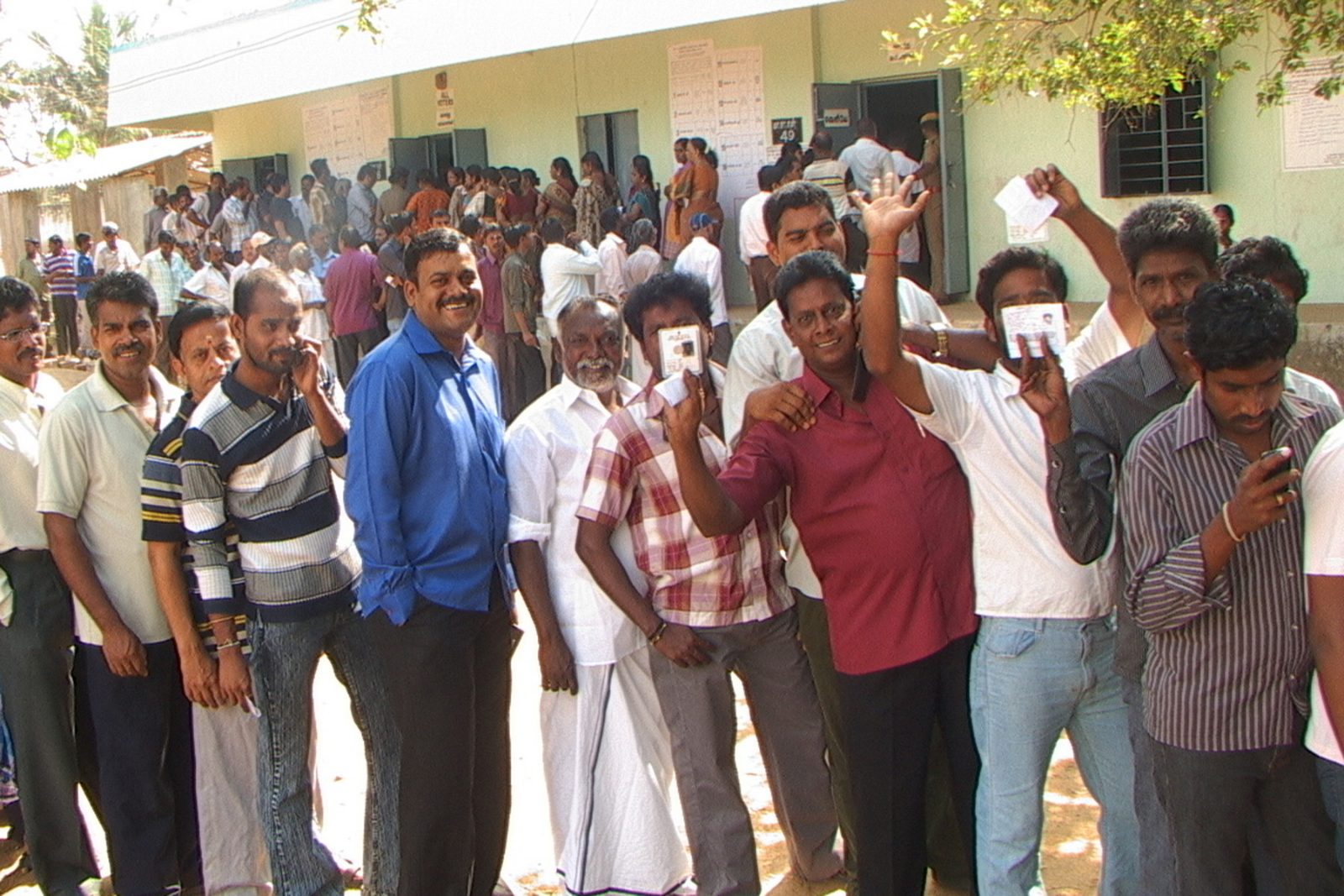
With polling four days away, the ruling TVK, the DMK and the AIADMK are trading charges of horse-trading, coordinated smear campaigns and "reels" governance in two constituencies the Chief Minister's party cannot afford to lose.
· 2 min read