00:00 IST 28°C

Opinion

Resign, defect, recontest: the bypoll is not democracy, it is a purchase order

Two MLAs won in April, quit within a month, joined the ruling TVK and are now asking the same voters for the same seats. Madurantakam and Dharapuram are not choosing representatives — they are being asked to rubber-stamp a transaction.
By The Justice news desk

· 2 min read

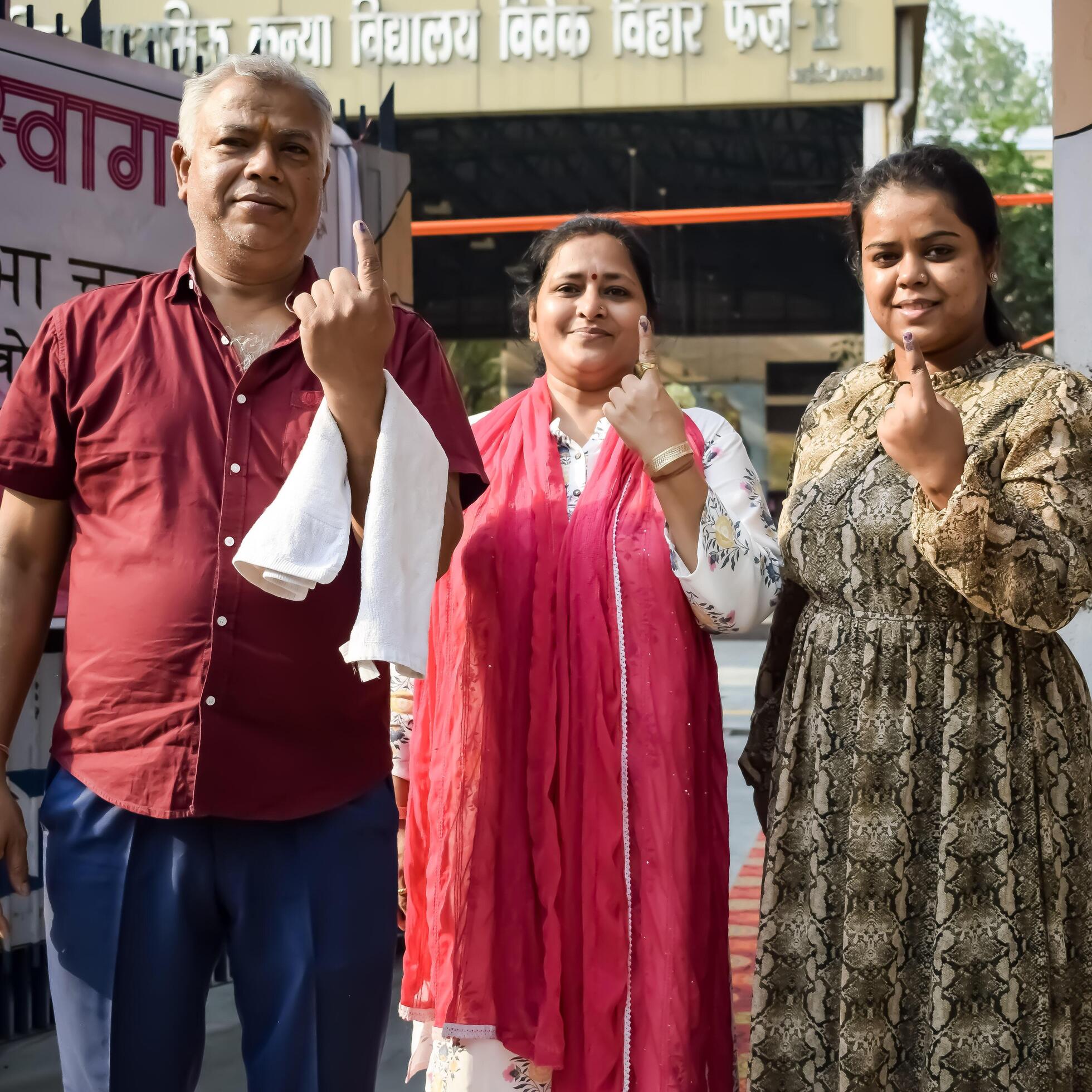
Inked fingers of voters after casting their ballots
Inked fingers after voting. In Madurantakam and Dharapuram, voters are being asked to vote twice in six months for the same candidates. Photo: Wikimedia Commons
On October 6, the voters of Madurantakam and Dharapuram will do something no citizen should be asked to do twice in six months: elect the same people they already elected in April. P. Sathyabama and K. Maragatham Kumaravel won their seats as AIADMK candidates in the April assembly elections. Within a month, they resigned from the Assembly, walked into the ruling Tamilaga Vettri Kazhagam, and were handed back the very seats they had vacated — this time on the TVK's whistle symbol. The Election Commission, the exchequer and 49 candidates are now mobilised to restage an election whose outcome was decided not by voters but by a transaction. Call it what the law will not: the purchase of a mandate. A vote is not a personal asset to be carried from one party's ledger to another. It is a trust, lent for five years on stated terms — a party, a symbol, a manifesto. When a legislator resigns weeks after winning and recontests in rival colours, the voter is told, in effect, that their April verdict was a clerical error to be corrected in October. The defenders of this circus will cite the voter's freedom to choose. But freedom exercised at the end of a whip is not freedom; it is ratification. These bypolls were not demanded by the people of Madurantakam or Dharapuram. They were manufactured in party offices, and the bill — for polling staff, security, machinery, and the sheer cynicism — is being sent to the public. M.K. Stalin has called it a byelection forced for the chief minister's "selfish gain". Strip away the partisan edge and the charge stands on its own arithmetic: a government that must buy its majority seat by seat, month by month, is confessing that it does not trust the mandate it claims. There is a deeper rot here that Tamil Nadu's Dravidian tradition has always named plainly. Periyar taught that political power without moral accountability is just organized loot. A representative who treats the electorate as a transferable deposit is not practising democracy; he is practising feudalism with ballot boxes. The anti-defection law was written precisely because the republic understood this temptation — yet its loopholes have become a business model: resign before you are disqualified, and the disqualification never comes. The voters of these two constituencies now hold an unusual power. They can do what the law cannot: refuse the transaction. A defeat for both turncoats would be worth more than any court judgment — it would tell every party office in the state that a mandate is not merchandise, and that October cannot be used to erase April. Democracy is not a purchase order. It is time the buyers learned that some things are not for sale.

Sources

Share this story

AMP

Related articles

Tamil inscription at the Thanjavur Big Temple
Opinion

A signboard is never just a signboard

The Hindi boards on a Thoothukudi highway were 'corrected' within hours. But the instinct that put them there — testing how much Hindi Tamil Nadu will swallow — is the real imposition, and it must be named.

· 2 min read