Madras High Court opens suo motu case to strip caste names from Tamil Nadu's streets
A Division Bench led by Chief Justice Sushrut Arvind Dharmadhikari has given the State four weeks to report which caste appellations on streets, roads and localities have been removed, and which still remain, nearly five decades after a 1978 order first demanded it.
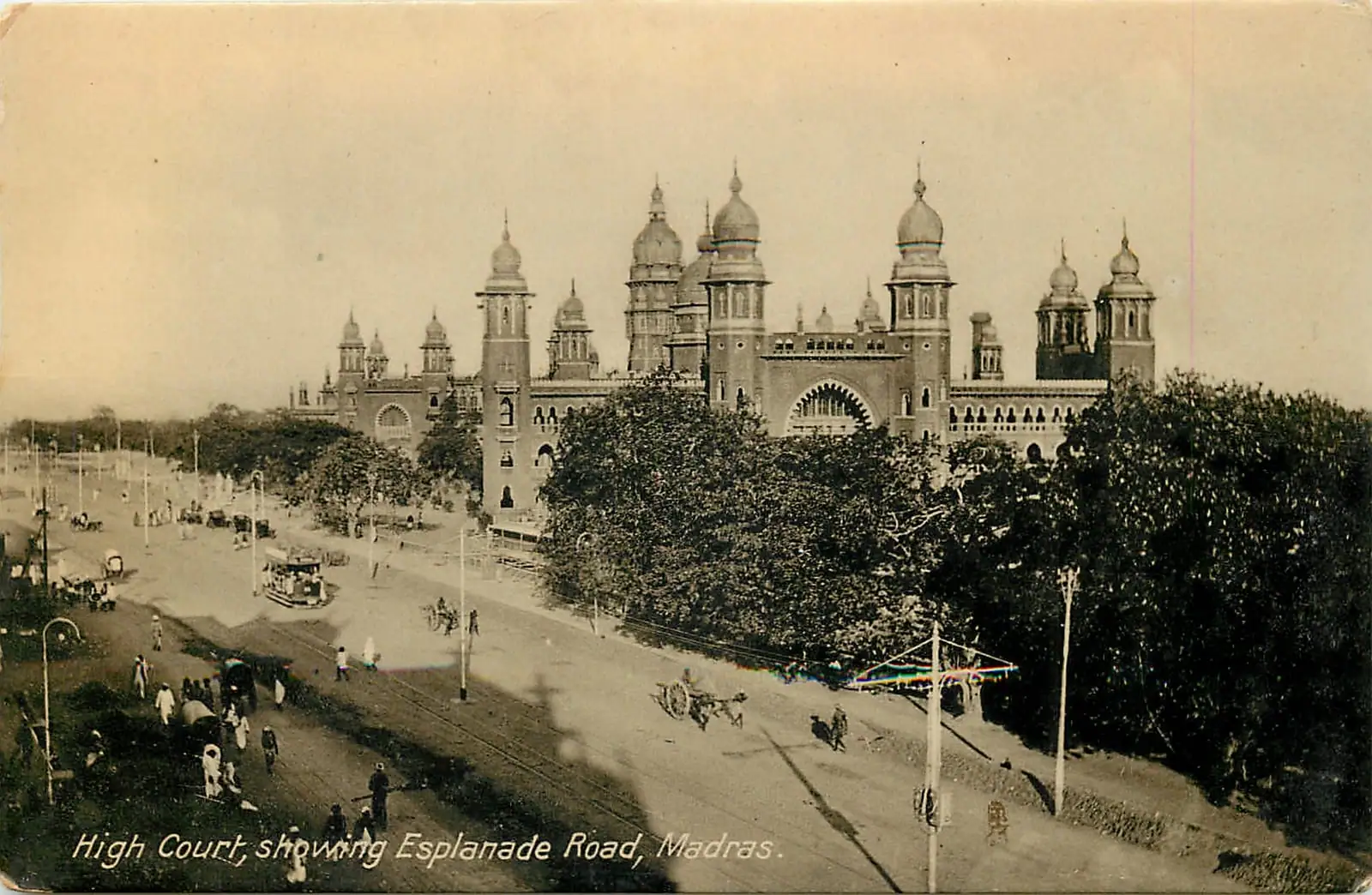
The Madras High Court on Thursday took up a suo motu public interest litigation aimed at enforcing a long trail of judicial directions and government orders that require caste appellations to be removed from the names of streets, roads and localities across Tamil Nadu.
The First Division Bench of Chief Justice Sushrut Arvind Dharmadhikari and Justice G. Arul Murugan directed the State government to file a status report within four weeks. The report must list the caste references that have already been removed and those that are yet to be removed, giving the court, for the first time in a single proceeding, a State-wide picture of how far an old promise has actually travelled.
A bail hearing that became a public case
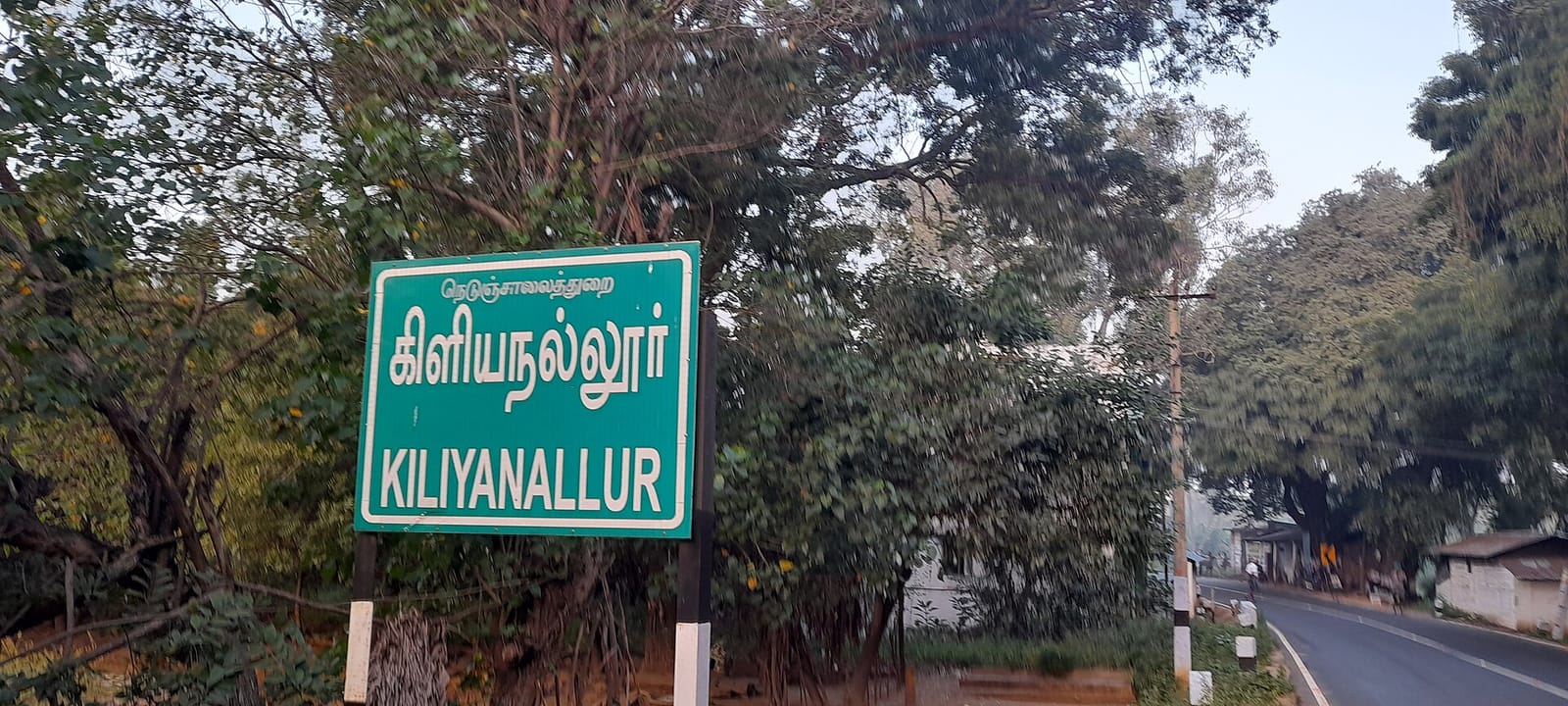
The case did not begin as a PIL at all. According to The Hindu, it grew out of an order passed on August 11, 2026 by Justice N. Ramesh, his first order after being elevated to the High Court. While hearing a bail petition, the judge came across a First Information Report in which the Sendhamangalam police in Namakkal district had described a place as "Pallar Street".
Justice Ramesh asked how such names could survive despite a 1978 Government Order that required every local body to identify and remove caste appellations from street and road names, and despite a series of High Court directions issued since 2018. He directed the Registry to register a suo motu case and to place it before the Chief Justice. Thursday's order is the result.
Why a street name matters
The single judge's reasoning, as reported, was practical rather than symbolic. When a street is named after a caste, the people who live on it are identified by that caste. The name then travels into every official document that carries an address: ration cards, Aadhaar records, driving licences and more. A label painted on a board becomes a label attached to a citizen.
He linked the issue to the constitutional aim of a casteless society, and pointed to two recent steps in the same direction. Justice D. Bharatha Chakravarthy of the High Court has ordered caste appellations removed from the names of schools and colleges across Tamil Nadu. And the State government has renamed the Adi Dravidar and Tribal Welfare Department as the Social Justice Department, so that a government department no longer carries a caste reference in its name. That exercise, Justice Ramesh said, would remain incomplete as long as caste names stayed on streets and roads.
The renaming itself has a long history. The Hindu reported that the proposal had been pending for years, and that a former Secretary of the department once described it as the only file of his department that the Cabinet never resolved. It has now been carried out by the TVK-led government.
The long arc from 1922
For readers of this newspaper the debate has a familiar ring. In 1922 the Madras Legislative Council under the Justice Party ministry adopted "Adi Dravidar" in official usage in place of terms that were then widely used as slurs. The Justice Party's founders argued, a century ago, that the language of the State shapes how citizens are treated by it. The 1978 Government Order, the court directions since 2018, the renaming of the department and now the suo motu case are all steps on the same road.
What happens next
The court has not yet passed directions on how remaining names should be changed. That will depend on what the State's status report shows. The questions are practical ones. How many such names remain? Which local bodies have acted and which have not? How will residents be consulted on new names? And how will the change flow through to the records of people already living there?
The status report is due within four weeks. Local bodies that have ignored the 1978 order for close to fifty years now face a deadline set by the State's highest court.
The Justice will follow the case and publish the status report when it is filed.
Sources
Related articles
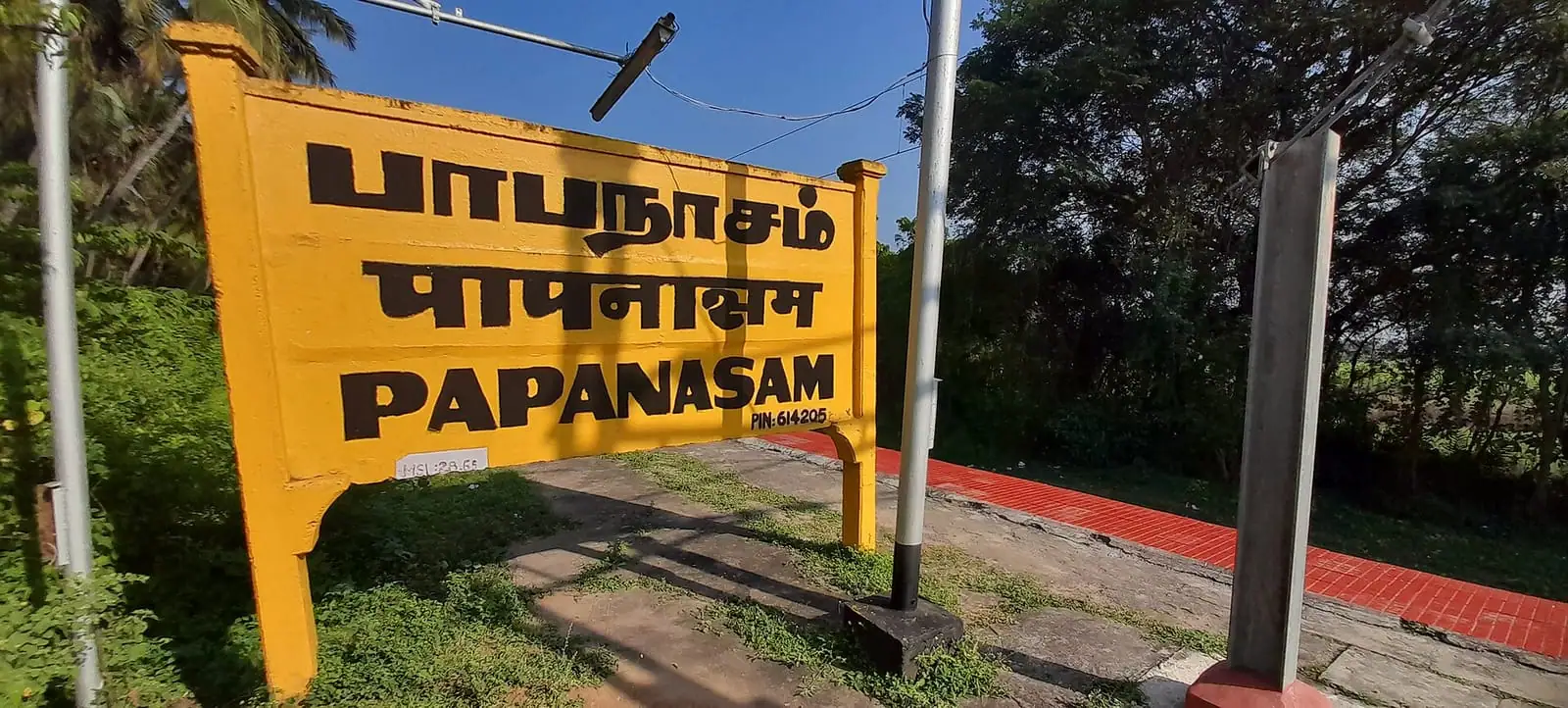
A street should not carry a caste
The High Court has done what successive governments promised in 1978 and never finished. The State's status report must be honest, public and followed by a deadline.
· 2 min read
The file is closed; the question is not: what the Vijayabaskar case says about power and justice
The court has closed the ₹4-crore fraud plea against TVK's C. Vijayabaskar. The legal fact must be respected — but the political question of how corruption cases against the powerful are handled will not close with the file.
· 2 min read
No prima facie case against TVK's C. Vijayabaskar in ₹4-crore fraud complaint, police tell Madras High Court; plea closed
Police told the Madras High Court there was no prima facie evidence against TVK executive and former minister C. Vijayabaskar in a ₹4-crore fraud complaint, and the court closed the plea seeking action against him.
· 1 min read

NEET is not merit, it is monopoly: the case for ending the single exam
A single national entrance test rewards coaching-class privilege, not talent. It shuts out rural, Tamil-medium and first-generation learners while paper leaks rot its credibility. Tamil Nadu's fight against NEET — from Assembly resolutions to the anti-NEET signature campaign — is social justice in Periyar's lineage.
· 4 min read