'Conversion' organisations to be denied FCRA registration, Madras High Court rules in Zen trust case
The Madurai Bench has upheld the Centre's refusal of FCRA registration to a Kodaikanal Zen meditation trust, holding that groups engaged in religious conversion cannot receive foreign funds and that applicants must declare their religious character honestly.
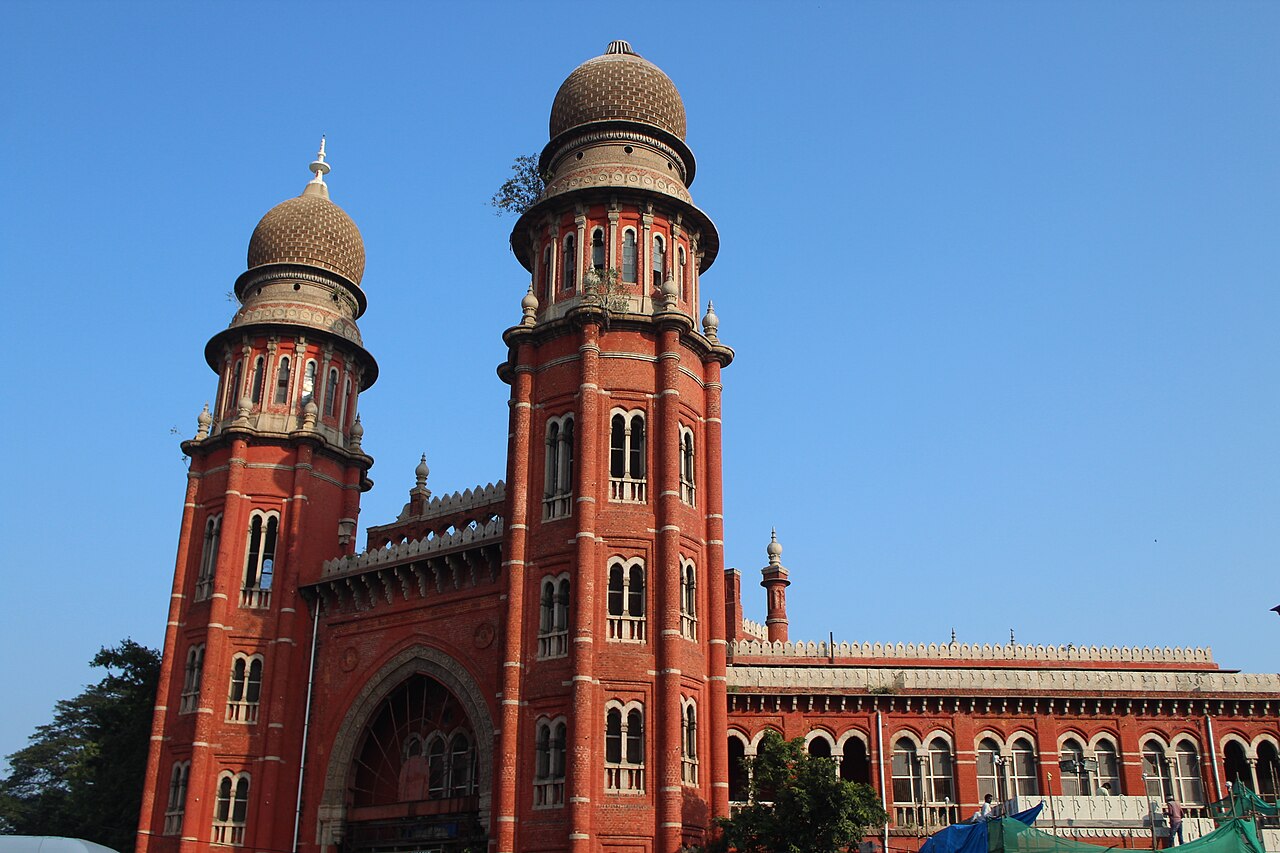
The Madras High Court has ruled that organisations engaged in religious conversion shall be denied registration under the Foreign Contribution (Regulation) Act, upholding the Union government's refusal to register a Zen meditation trust based in Kodaikanal.
A Division Bench of Justices G.R. Swaminathan and M.D. Sumathi, sitting at Madurai, dismissed the appeal of the Kanzeon Public Charitable Trust in Kanzeon v. Union of India. The trust runs a Zen meditation centre in Kodaikanal and had argued that Zen meditation belongs to India's Dhyana tradition and that its activities should not be classified as religious. The Centre maintained that the trust was engaged in religious programmes.
The Bench noted that the trust itself claimed to subscribe to Zen Buddhist philosophy, a variant of the Mahayana school, and that Form FC-3A under the FCRA Rules requires every applicant to disclose the nature of the organisation, including whether it is religious and, if so, under which religious category it falls. The trust, the Court held, had failed to correctly disclose its religious character.
On conversion, the Court said Section 12(4)(a)(ii) of the FCRA applies across religions. A fundamentalist Hindu organisation engaged in Ghar Wapsi cannot be registered under FCRA either, the Bench observed, adding that if foreign funds were freely permitted to facilitate religious conversions, the sovereignty of the nation would be imperilled.
The judgment also contains observations that will be debated well beyond this case. The Bench remarked that radical Christian institutions are notorious for indulging in such activities, while clarifying that it was not accusing the appellant trust of a conversion agenda. It observed that unlike Hinduism, which it described as inclusive, the Abrahamic religions are inherently exclusive, and referred to friction between Christians and Muslims in Kerala while describing India as a plural nation whose balance could be disturbed if one religious group gained ascendancy.
For the trust, whose founder and moving spirit is Rev. Fr. Ama Samy SJ, an ordained priest, the ruling closes the door on foreign contributions unless it re-applies with a full declaration of religious character. For the many schools, hospitals and charities run by religious trusts across Tamil Nadu, the message is narrower but significant: the FCRA register will be policed on disclosure, and the conversion clause will be read strictly, against every faith alike.
Sources
Share this story
Related articles
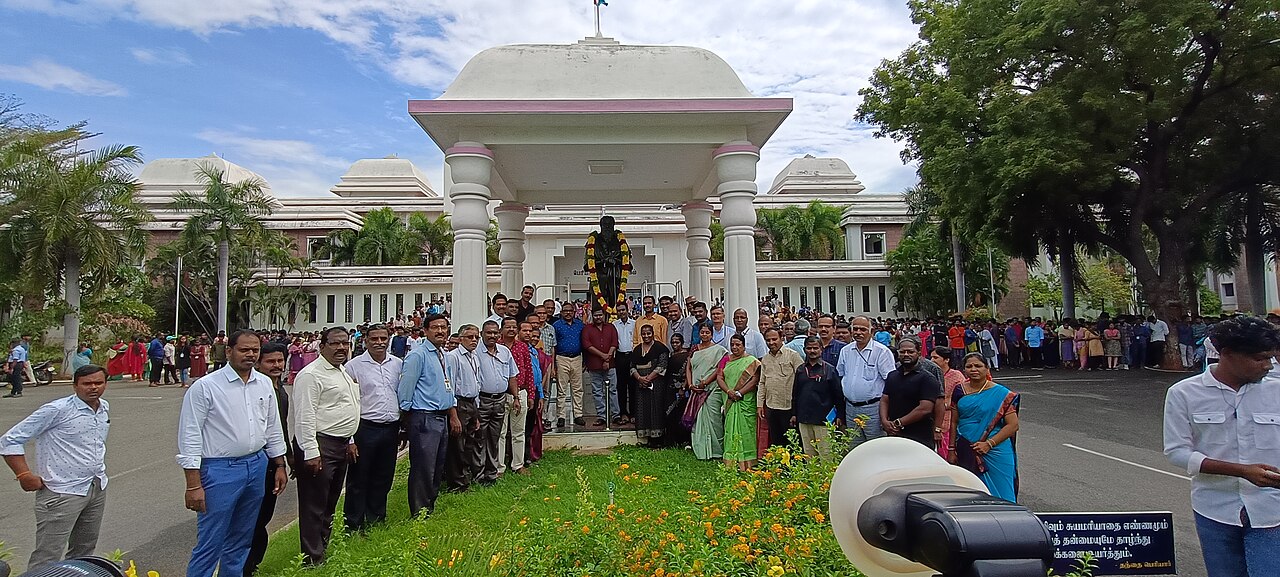
Opinion: A meditation hall is not a security threat
The Madras High Court was right to demand honest disclosure under FCRA. It was wrong to grade religions from the Bench. The state may regulate conduct; it must never rank faiths.
· 2 min read

'Texture changed': High Court puts Vijay's Perambur win under a harder lens
Justice V. Lakshminarayanan asked whether leaving about Rs 30 crore out of an affidavit showing roughly Rs 600 crore could count as corrupt practice, as Vijay seeks to have the Perambur election petitions thrown out.
· 2 min read
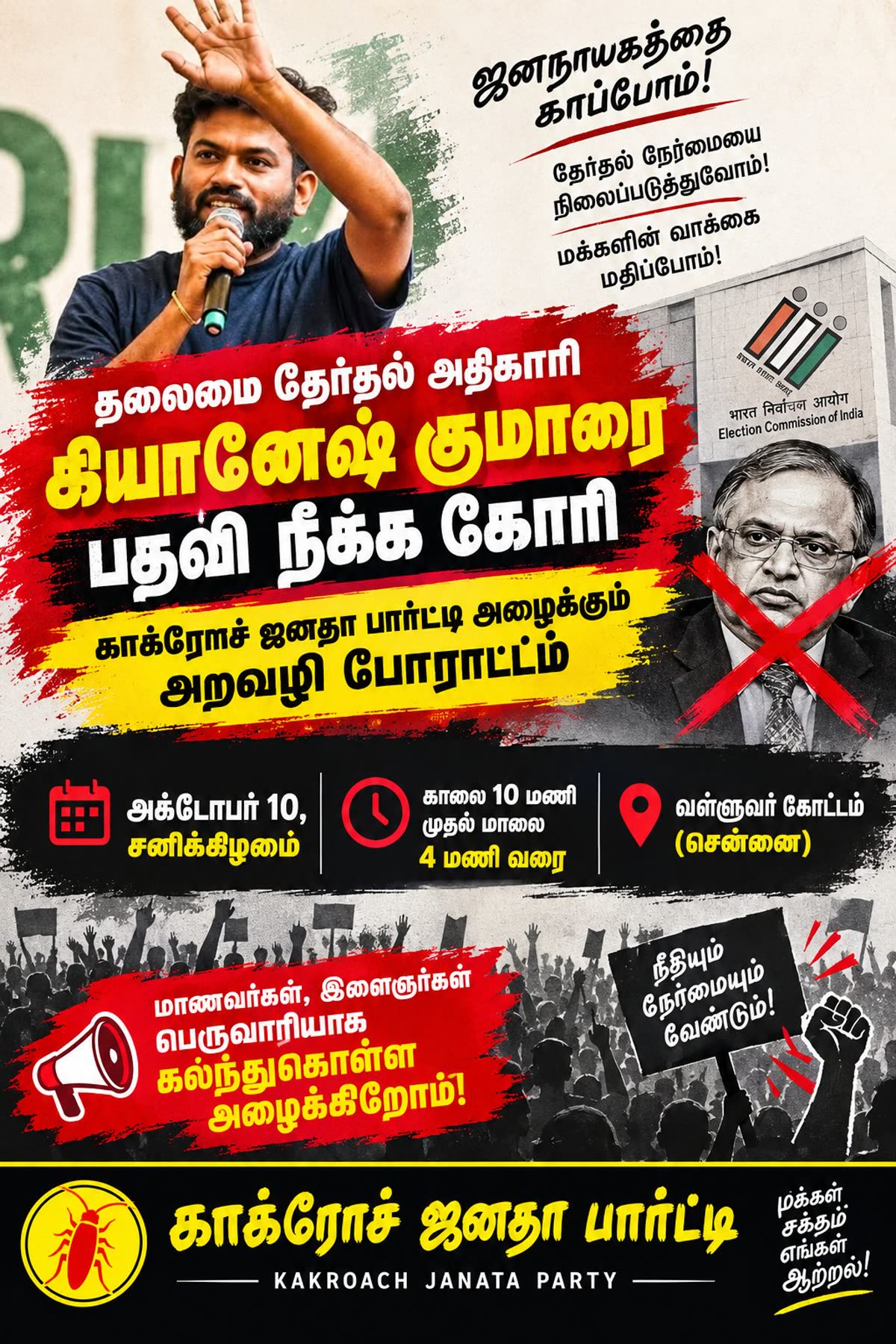
Remove Gyanesh Kumar: Cockroach Janata Party Summons Chennai to Valluvar Kottam on October 10
The Tamil Nadu unit of the Cockroach Janata Party has called a day-long peaceful protest at Valluvar Kottam on October 10, demanding the removal of Chief Election Commissioner Gyanesh Kumar over the mass deletion of voters from the electoral rolls.
· 2 min read
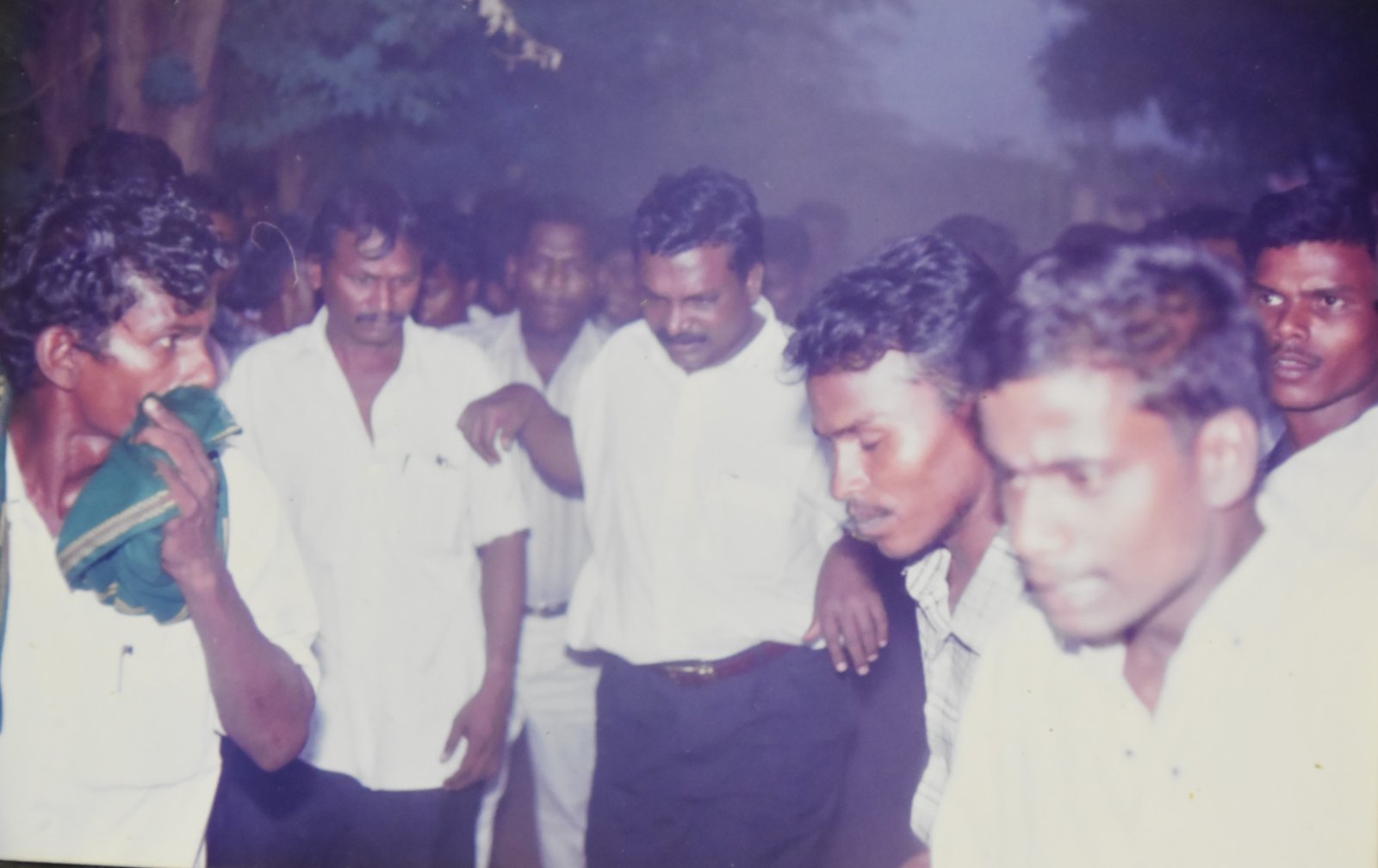
'Whose victory was it?' Thirumavalavan's SIR doubts unsettle TVK and his own allies
At a Delhi protest against the Election Commission, VCK president Thol. Thirumavalavan raised doubts over TVK's recent victory and linked it to the SIR process, sending mixed signals to cadre and allies.
· 2 min read