'Hindus neither need nor want them': Jammu march demands blanket ban on halal certification
The Jan Jagran Manch marched in Jammu on October 3 demanding a complete ban on halal certification 'like in Uttar Pradesh', calling it 'an attack on the livelihood of Hindus and Sikhs'. The campaign comes as the Supreme Court examines the UP ban and the Centre moves to criminalise private halal...

Sources
Share this story
Related articles

"Worst in 150 years": Kharge writes to Modi, Shah as Karnataka drought grinds 31 lakh farming families
Congress chief Mallikarjun Kharge has written to PM Narendra Modi and Home Minister Amit Shah seeking urgent release of ₹3,705.30 crore in drought relief for Karnataka, which faces a 58% rainfall deficit and estimated crop losses of ₹18,748 crore.
· 2 min read

70% of teaching posts vacant: Odisha Governor sets November deadline for university recruitment
Odisha Governor Hari Babu Kambhampati has ordered state public universities to start filling vacant teaching posts by the first week of November and finish by month-end — an admission that roughly seven in ten faculty positions, over 1,400 posts, lie empty. Merit must be the priority, he said.
· 2 min read

The ivy and the evidence: Cornell's week proves institutions cannot investigate themselves
A district attorney decided not to prosecute a gang-rape case before reading all the evidence. A university investigated itself and shared nothing. A president apologised on video two years later. Accountability at Cornell arrived from outside — as it always does.
· 2 min read
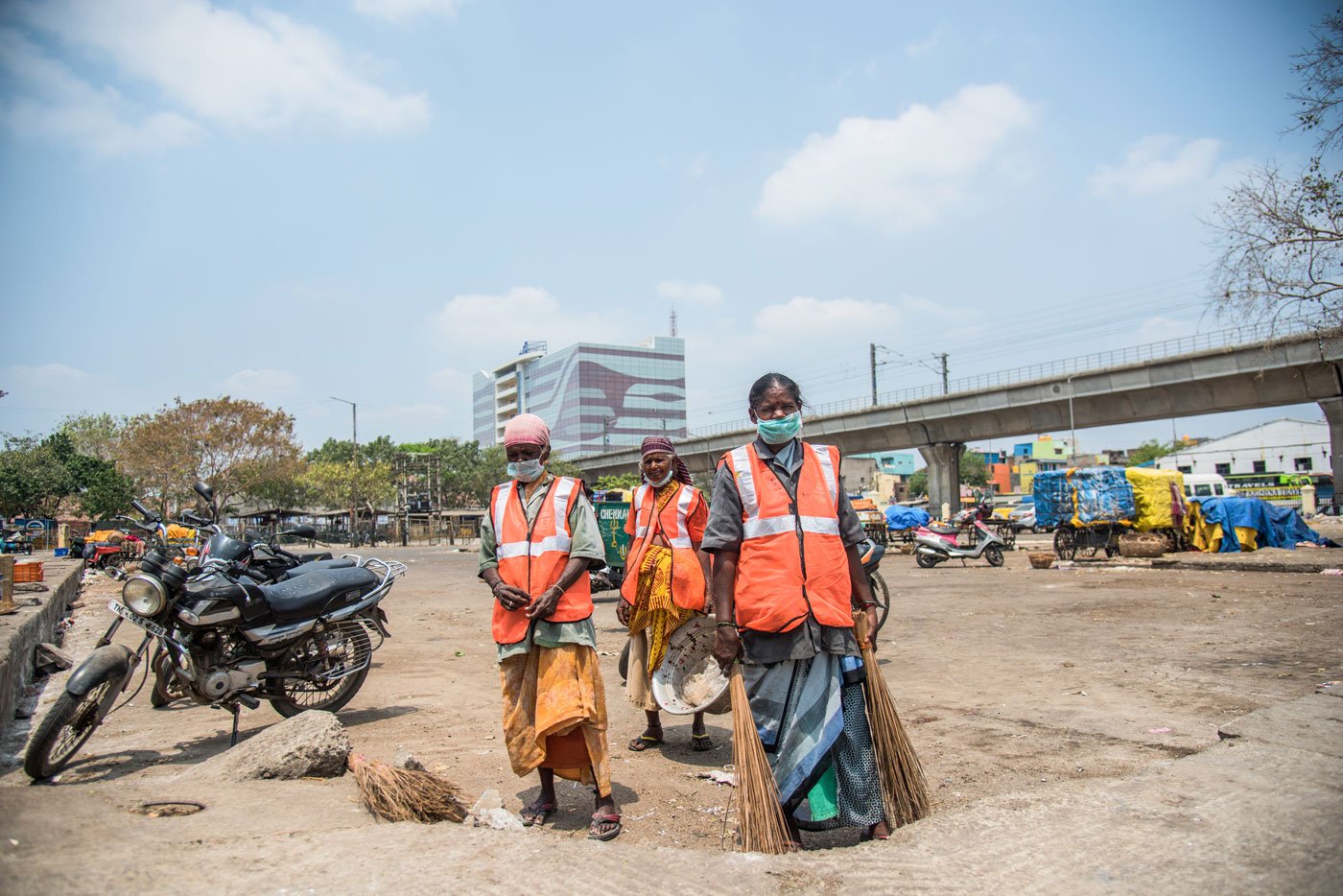
The day the promise comes due: Chennai's sanitation workers wait for the TVK to keep its word
Chennai's sanitation workers paused a 15-day strike on September 4 after four TVK ministers promised relief. The core demands — regularisation, weekly holidays, Collector-rate wages — were deferred to a review due on October 3. That day is here, and the structural promises are still paper. The...
· 2 min read