Opinion
A hundred years of feeding children at school
The extension of the breakfast scheme to Class 8 is the newest link in a chain that began in Madras in 1922. Its strength is that no government has broken it. The next step is to measure what children actually eat and learn.
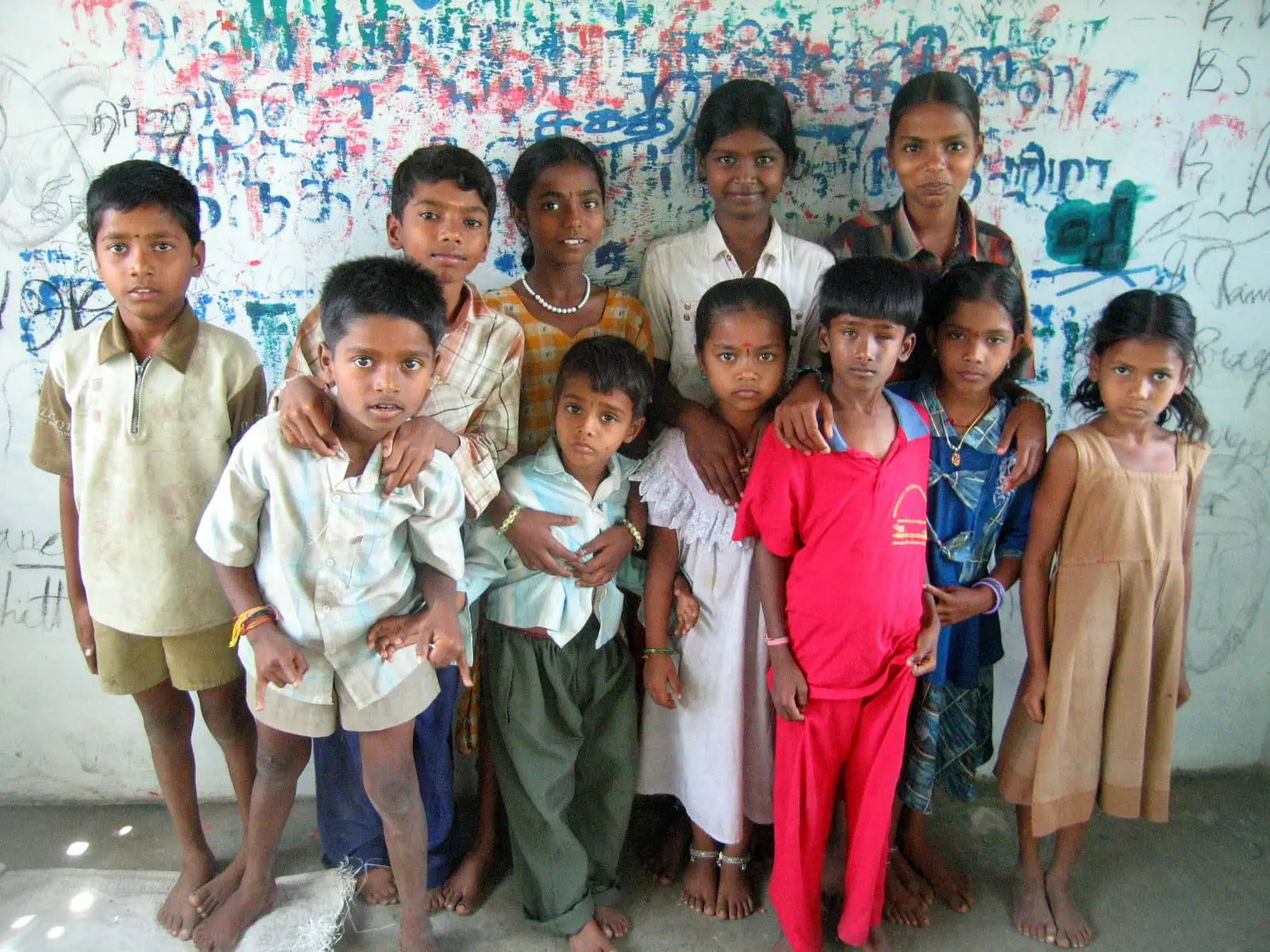
There are few policies in India that five or six governments of different parties have each inherited, kept and enlarged. School meals in Tamil Nadu are one of them. This week's extension of the free breakfast scheme to Classes 6 to 8, which adds about 15.30 lakh children and brings the total to about 34.64 lakh pupils in 44,984 schools, is the newest link in a chain that is now more than a century long.
Where it began
The chain begins in Madras. In 1922, P. Theagaraya Chetty, a founder of the Justice Party and then president of the Corporation of Madras, started meals for poor children in selected city schools. The programme was stopped under the colonial administration in 1925 and restarted in 1927. M.C. Rajah, the leader of the then Depressed Classes, is also remembered as a pioneer of the idea. The argument these men made was simple and, at the time, radical: a hungry child cannot learn, and a State that wants an educated public must feed its pupils.
K. Kamaraj took the idea State-wide in 1956. M.G. Ramachandran turned it into the Nutritious Meal Programme in 1982. M. Karunanidhi added eggs in 1989. J. Jayalalithaa introduced variety meals in 2013. M.K. Stalin's government began the breakfast scheme for primary pupils in 2022. And the present government, led by C. Joseph Vijay, has now taken breakfast to Class 8 and named it after Kamaraj.
Each of them could have let the programme shrink quietly. None did. That continuity is a quiet achievement of Tamil Nadu's democracy, and it is worth saying so on a day when politics is usually described only as conflict.
Measure what matters
Continuity is not the same as quality. The State Planning Commission's early evaluation found attendance rising in most schools that served breakfast, more than in comparable nearby schools. That is encouraging, but attendance is only the first measure. With 57.8% of young children in the State found anaemic in the 2019–21 National Family Health Survey, the scheme should now be judged on nutrition and learning too.
The government should publish, every year and by district, independent data on what is served, how much of it is eaten, children's height, weight and haemoglobin, and learning outcomes in schools with and without the scheme's longer history. Cooks, most of them women from local self-help groups, should be paid on time and trained. Menus should respect local food habits and include protein every day, not only on special days.
A legacy is a duty
The Justice Party's founders would have recognised this week's announcement. They would also have asked the next question: what happens to the child after breakfast? Good teachers, safe buildings and textbooks in a language the child understands are the rest of the promise. The meal gets the child to the classroom. What happens there is the State's real test.
Sources
Share this story
Related articles
A street should not carry a caste
The High Court has done what successive governments promised in 1978 and never finished. The State's status report must be honest, public and followed by a deadline.
· 2 min read

Two languages on paper, three on the road: the TVK government must answer the signboard question
The state orders Tamil boards for shopkeepers and puts Hindi on its own highways. The Sathankulam signboard is not a clerical error — it is a mirror of a government that has a two-language policy on paper and no one accountable for it on the ground.
· 2 min read

A thumbprint for dinner: the state should not ration dignity
From October 1, subsidised cooking gas needs biometric Aadhaar authentication. Targeting subsidies is legitimate; making the poorest prove themselves at the burner is not.
· 2 min read
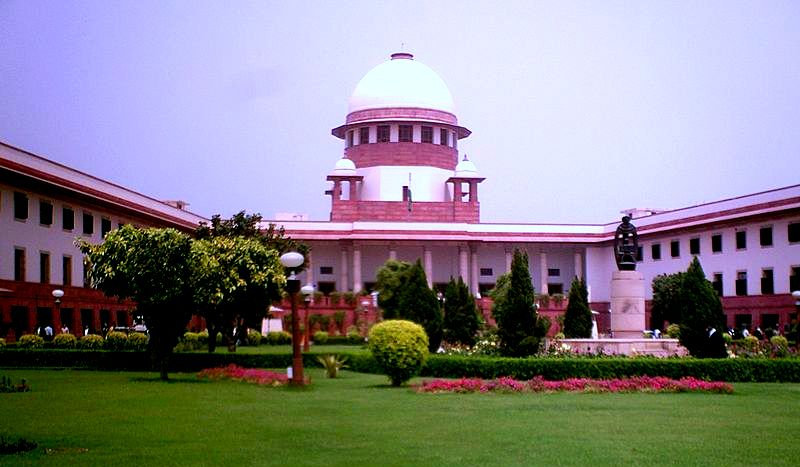
The file is closed; the question is not: what the Vijayabaskar case says about power and justice
The court has closed the ₹4-crore fraud plea against TVK's C. Vijayabaskar. The legal fact must be respected — but the political question of how corruption cases against the powerful are handled will not close with the file.
· 2 min read