Opinion
Opinion: A village has to block a road to move a liquor shop
Opinion: Residents won a promise to close a village TASMAC outlet only after blocking a road. A government that sells liquor cannot make citizens become a traffic jam to be heard about where its shops stand.
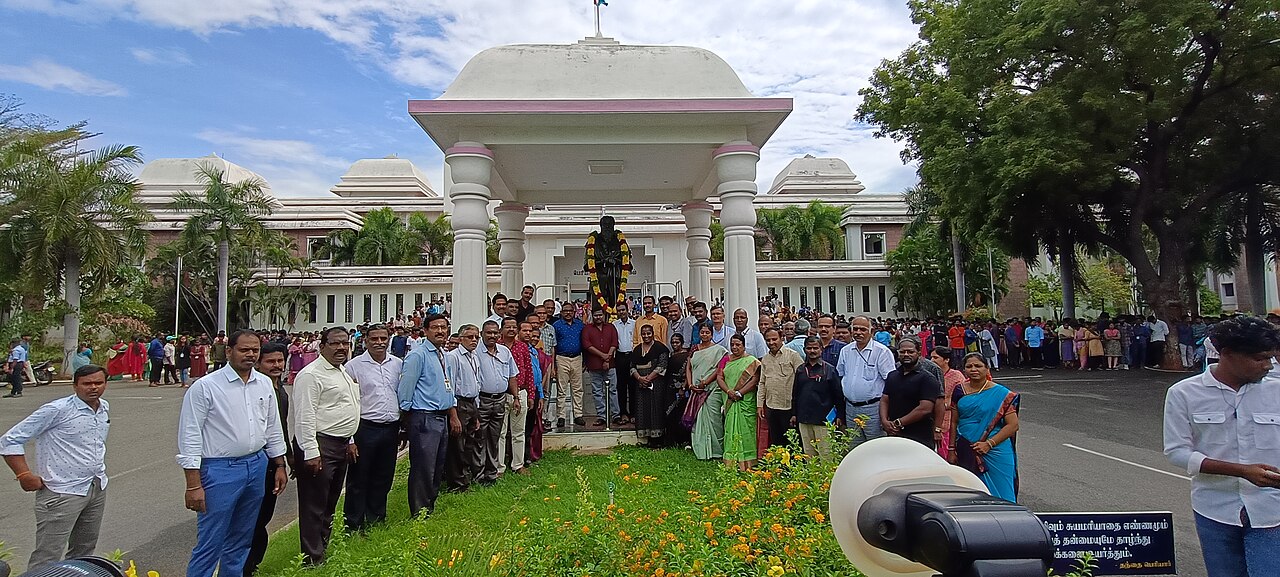
A village should not have to stop traffic to get a government to listen. Yet that is the lesson Tamil Nadu keeps teaching its own people. Petitions are filed, representations are made, and the TASMAC outlet stays open. Then residents block a key road, and within the day officials discover a solution: the shop will close once an alternative location is found. The state did not lack the power to act earlier. It lacked a reason to treat the complaint as urgent until the road made it one.
The conflict at the heart of this is not hidden. The government is the liquor seller. TASMAC revenue is a dependable pillar of the state budget, and every outlet is, in the cold language of finance, a performing asset. But a village does not experience an outlet as an asset. It experiences queues of drinkers, men relieving themselves in public, quarrels spilling onto doorsteps, and women and children timing their walks to avoid a crowd outside a shop the state itself runs. When the seller and the protector are the same government, the citizen has nowhere else to appeal. She must become a traffic jam to be heard.
This government came with a promise that location would be corrected. Hundreds of shops near schools and places of worship were ordered closed, and district administrations were told to find them. That order was an admission that a liquor shop is not a neutral object; where it stands changes what a neighbourhood must endure. If that principle is true beside a classroom, it is true beside a home. A government cannot argue geography in one file and ignore it in the next village because the second protest has not yet reached the highway.
Periyar asked a simple question of every public practice: who benefits, and who bears the cost? Liquor policy in Tamil Nadu fails that test in its present form. The benefit is booked in Chennai as revenue. The cost is paid daily, in cash and in dignity, by the poorest households, and disproportionately by the women in them. Rationalism is not only about temples and texts. It is about refusing to let the state's balance sheet become an excuse for arrangements no official would tolerate outside his own street.
The remedy is not mysterious, and it does not require a road blockade in every village. Publish the relocation list with dates. Enforce the school, worship and residential buffers that the government has already accepted in principle. Spend a stated share of liquor revenue, visibly and locally, on de-addiction and on the health burden drinking creates. And when a village asks for a shop to be moved, answer the petition before the answer has to be extracted by a crowd. A government confident in its policy should be able to defend an outlet's location in daylight. If it cannot, the shop should move, without making citizens stop a road to prove it.
Sources
Share this story
Related articles
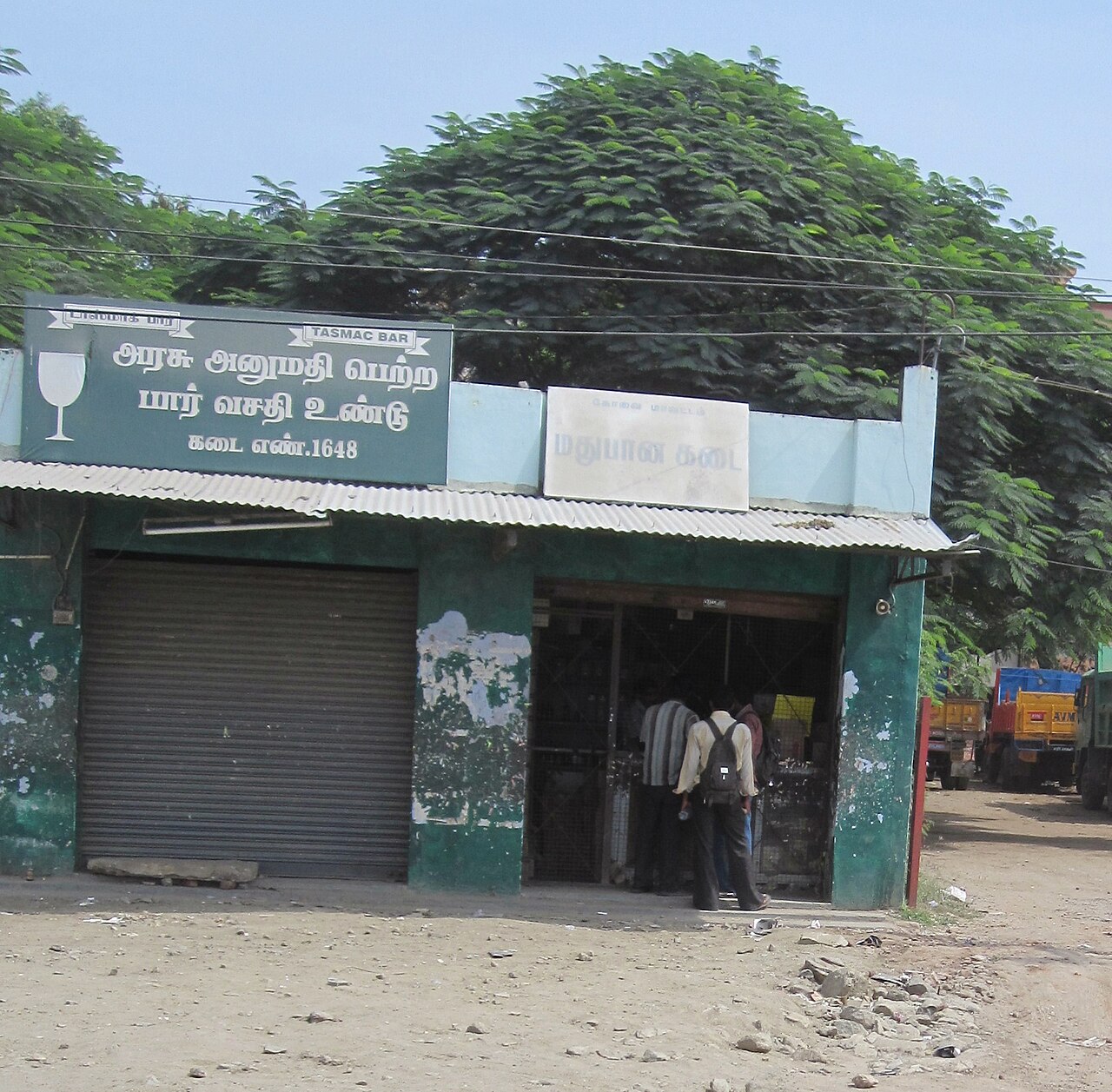
Villagers block a key road to move a liquor shop the state would not shift
Villagers blocked a key stretch demanding relocation of a TASMAC outlet. Officials say the shop will be closed after an alternative location is identified, a promise won only after residents took to the road.
· 2 min read
Opinion: Who eats, who waits, and who is only heard after the cameras arrive
A tonne of ration rice seized in Ranipet and an 87-year-old carried out of her Madrid home tell the same story: systems that count stock and title first, and people only when forced. Periyar's question still stands: who eats, who waits, and who is heard too late?
· 2 min read
Opinion: A price rise that stops at the counter is not a price rise
Tamil Nadu announced Rs 44 a litre for cow milk and pays Rs 41.25 after society deductions. Judged at the point of receipt, as the Dravidian tradition demands, the hike has not happened.
· 2 min read

Opinion: An affidavit is not a film certificate
The High Court's question about a Rs 30 crore gap in a Rs 600 crore affidavit is not about arithmetic. It is about whether a leader's word is tested like anyone else's before he rules.
· 2 min read