Opinion
The file is closed; the question is not: what the Vijayabaskar case says about power and justice
The court has closed the ₹4-crore fraud plea against TVK's C. Vijayabaskar. The legal fact must be respected — but the political question of how corruption cases against the powerful are handled will not close with the file.
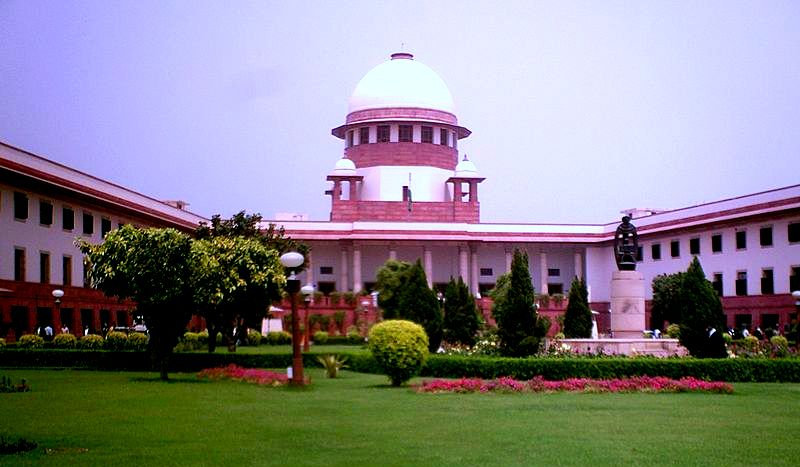
The Madras High Court has closed the plea arising from the ₹4-crore fraud complaint against C. Vijayabaskar, the TVK executive and former minister, after the police reported that no prima facie case was made out against him. That is the legal fact of the matter, and in a republic governed by the rule of law, the legal fact must be respected.
But the political question does not close with the file.
In Tamil Nadu's political memory, the "washing machine" jibe — that the taint of corruption gets laundered the moment a leader joins the ruling dispensation — did not emerge from nowhere. It emerged from a pattern that citizens have watched, election after election, government after government: cases against the powerful that slow down, soften, or quietly vanish once the political equations change. The comment sections greeting Thursday's order show how deeply that suspicion now runs.
Let us be precise about what is being asked. No one is entitled to declare a man guilty after a court has closed the plea against him. The question is institutional, not personal: would the same complaint, against a leader of the opposition, have travelled at the same speed and ended at the same destination? A justice system that cannot answer that question convincingly has a legitimacy problem, whatever any single order says.
This is where Periyar's rationalism still bites. Do not ask who benefits; ask what the pattern is. When investigation agencies report "no prima facie case" against ruling-party figures with metronomic regularity while opposition leaders spend years trapped in the slow grind of the same machinery, the rationalist does not need a conspiracy theory. The asymmetry is the evidence.
The TVK government came to power promising a clean break from the old politics of Tamil Nadu. It will not be judged by the cases its leaders escape. It will be judged by the standard it sets: investigations free of political interference, agencies that treat the ruling camp and the opposition with the same yardstick, and a police force whose findings the public can trust without having to take anyone's word for it. The file on C. Vijayabaskar is closed. The question — whether power in Tamil Nadu still decides what justice looks like — remains open. The washing machine only stops spinning when citizens refuse to look away.
Sources
Share this story
Related articles

Two languages on paper, three on the road: the TVK government must answer the signboard question
The state orders Tamil boards for shopkeepers and puts Hindi on its own highways. The Sathankulam signboard is not a clerical error — it is a mirror of a government that has a two-language policy on paper and no one accountable for it on the ground.
· 2 min read
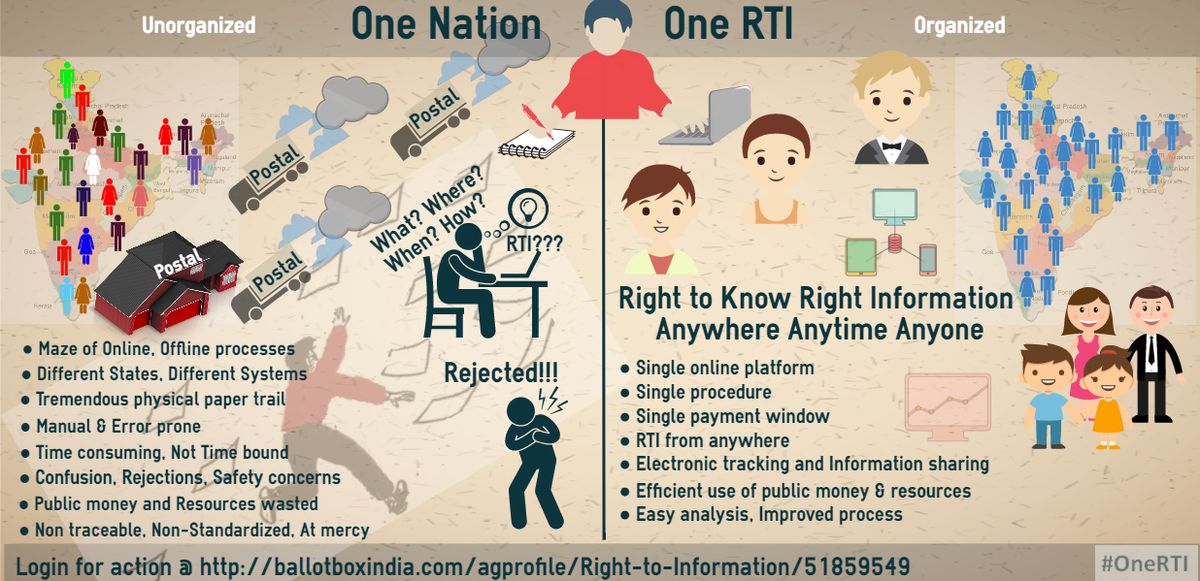
The U-turn on RTI: a government that fears questions will always fear its people
The TVK government revoked its order shielding the law-and-order department from the RTI Act within six days of public outrage. The reversal is welcome — but the real question is why a government elected on the promise of change ever thought transparency was optional.
· 2 min read
The revenue question: when India's tax kitty booms but Tamil Nadu's shrinks, the government must answer
September's GST data is unambiguous: India collected 14.7 per cent more, Tamil Nadu collected 5 per cent less. A government that claims administrative competence cannot shrug off a shrinking tax kitty in a booming economy.
· 2 min read
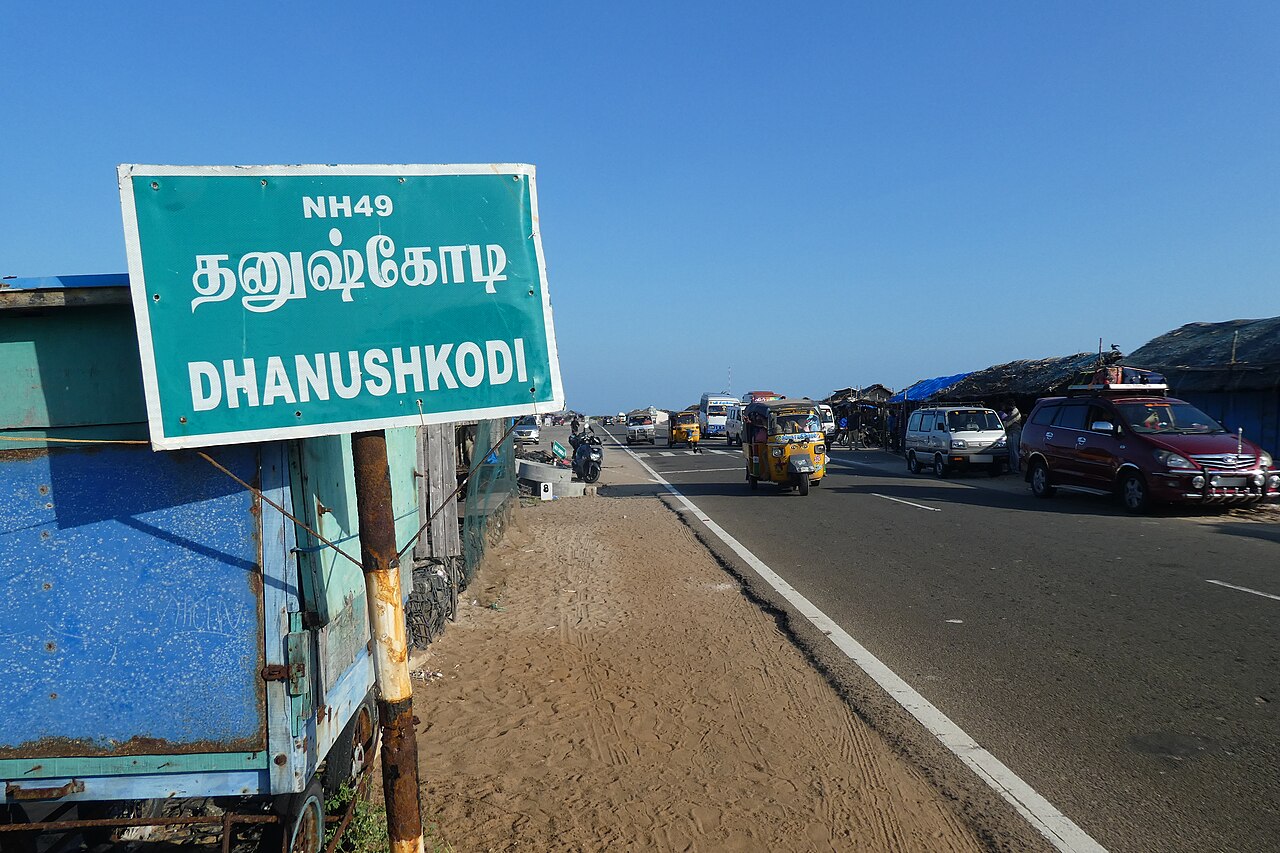
Hindi letters on a Sathankulam highway signboard spark language row; Stalin accuses TVK government of a 'U-turn'
New direction boards on the Sathankulam–Nazareth stretch of State Highway 93 carry destination names in Tamil, English and Hindi, triggering a language controversy. DMK president M.K. Stalin accused the TVK government of doing what it once condemned — and reports suggest the Hindi text has since been removed from the board.
· 1 min read