Opinion
Reels don't run a state: the TVK government must answer for its governance record
A viral smartphone video is not a substitute for governance. As the Tamil Nadu government leans on social-media optics, its record on jobs, fiscal health and service delivery deserves hard scrutiny.
The smartphone has become the Tamil Nadu government's favourite policy instrument. A clip goes viral, the comments fill with fire emojis, and for a news cycle the administration basks in the glow of digital applause. But reels do not run a state. Behind the filters lies a governance record that deserves far harder scrutiny than a 30-second vertical video can provide.
Take jobs. The state's much-touted employment numbers rest heavily on informal and gig work, while educated youth continue to queue for government posts that never materialise. The TVK government inherited this crisis; it has not solved it. Announcements of skilling missions and job fairs make for good content, but placement data — where it exists at all — tells a thinner story.
Then there is the fiscal picture. Tamil Nadu's debt has climbed steadily, and committed expenditure on salaries, pensions and interest now consumes the lion's share of revenue. Welfare announcements play well on camera, but every new scheme launched for the timeline tightens the fiscal vice. The government rarely subjects its numbers to independent audit in public view.
Service delivery tells a similar tale. In Chennai's suburbs and the state's smaller towns, residents still battle waterlogging every monsoon, patchy garbage collection and overcrowded public hospitals. These are unglamorous problems that do not trend. Fixing a stormwater drain will never get the views that a minister's dance challenge does — but it is the actual job.
None of this is to say communication does not matter. Every modern government must speak the language of the platforms where citizens live. The problem is substitution: when optics replace outcomes as the measure of success, accountability dies in the comments section.
The TVK came to power promising a break from the Dravidian majors' style of governance. That promise is now being tested not on Instagram but in budget documents, employment exchanges and municipal wards. Voters who thrilled to the campaign's energy deserve a government that governs as energetically as it posts.
The measure of this administration will not be its follower count. It will be whether a young graduate in Madurai finds dignified work, whether a farmer in Thanjavur gets water on time, and whether the state's finances can sustain the promises made on screen. On those counts, the government must answer — in the assembly, in white papers, and in results. Not in reels.
Sources
Share this story
Related articles
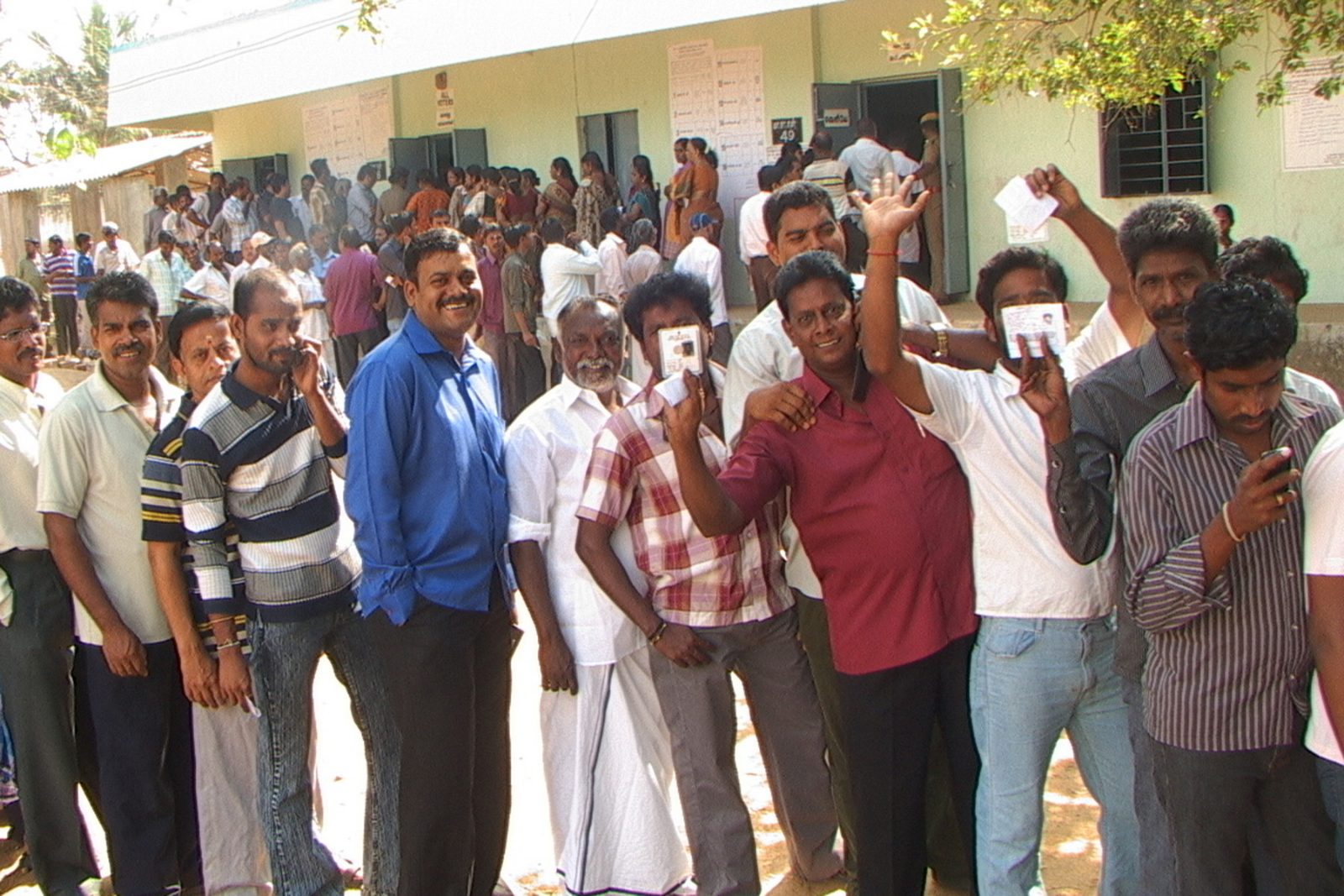
War of words sharpens as Madurantakam and Dharapuram head to the October 6 bypolls
With polling four days away, the ruling TVK, the DMK and the AIADMK are trading charges of horse-trading, coordinated smear campaigns and "reels" governance in two constituencies the Chief Minister's party cannot afford to lose.
· 2 min read

A crore on the metro, a crater on Barracks Road: Chennai's two-speed infrastructure is a political choice
In September, Chennai Metro carried over a crore of passengers for the third straight month. In the same city, Perambur Barracks Road caved in twice in weeks, opening a 20-foot crater. One city, two infrastructures — and the gap between them is where a government's priorities are judged.
· 2 min read

Two languages on paper, three on the road: the TVK government must answer the signboard question
The state orders Tamil boards for shopkeepers and puts Hindi on its own highways. The Sathankulam signboard is not a clerical error — it is a mirror of a government that has a two-language policy on paper and no one accountable for it on the ground.
· 2 min read
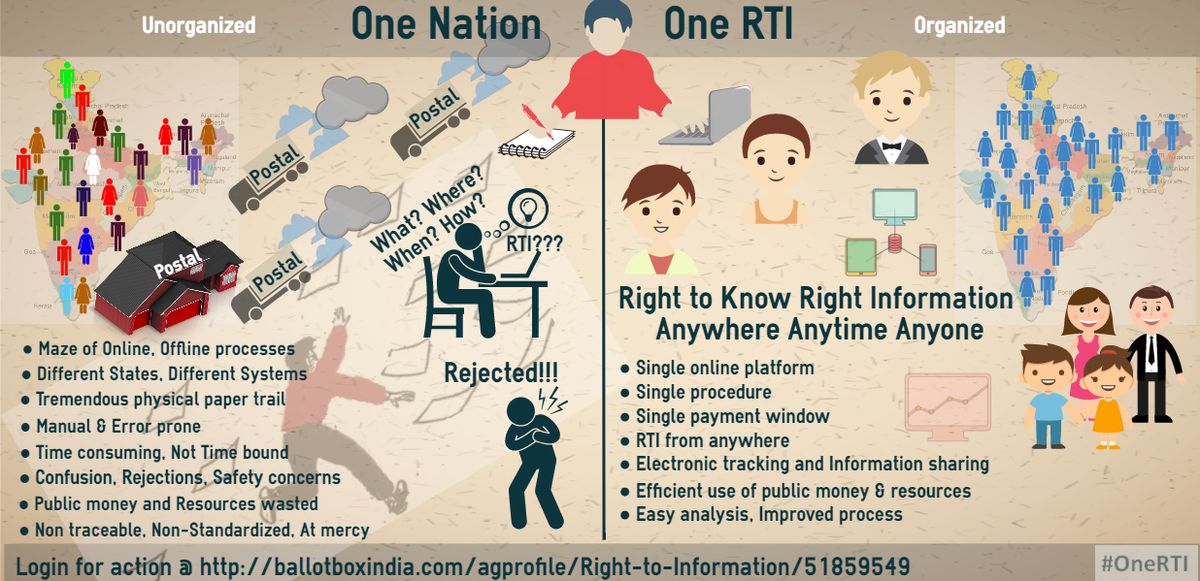
The U-turn on RTI: a government that fears questions will always fear its people
The TVK government revoked its order shielding the law-and-order department from the RTI Act within six days of public outrage. The reversal is welcome — but the real question is why a government elected on the promise of change ever thought transparency was optional.
· 2 min read