Rates can wait, the paperwork cannot: GST Council returns with compliance as the complaint
The 57th GST Council meets in New Delhi on October 8 after two postponements, with rates expected to stay put and process reforms - registration, returns, refunds and credit - on the table.
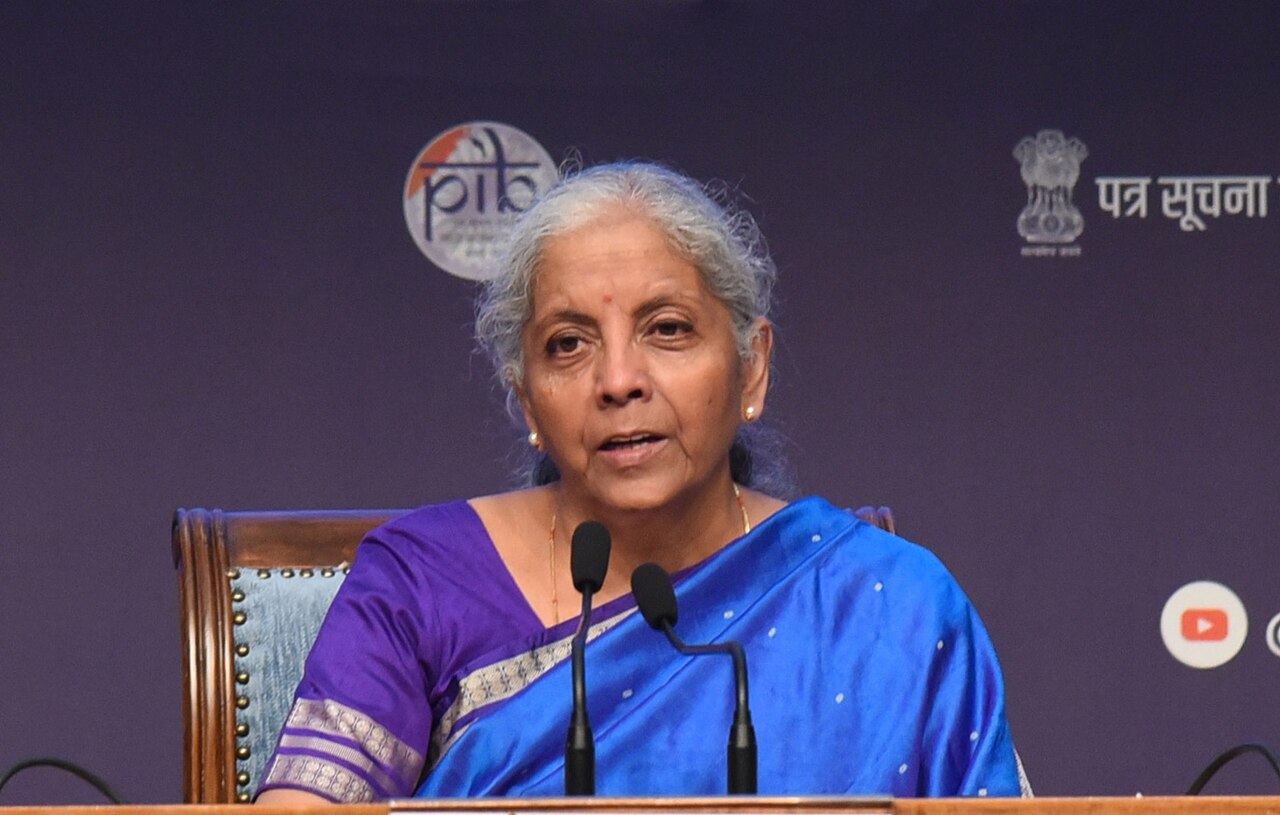
The GST Council returns to New Delhi on Thursday, and the most telling fact about the meeting may be its date. The 57th meeting, chaired by Finance Minister Nirmala Sitharaman, was first planned for September 12, then moved to October 7, and has now been rescheduled again to October 8, with the secretariat citing unavoidable circumstances. Tax experts say the agenda matters more than the delay: reforms, they argue, must move beyond rates to processes and compliance.
That is an admission, in plain language, that the burden of GST today is not only what businesses pay but what they must prove, file, match and chase. The Council is expected to discuss changes to registration, returns and refunds, ways to resolve disputes, and measures to improve the flow of input tax credit, with the stated aim of reducing the time and cost of compliance.
On refunds, proposals reported ahead of the meeting would confirm receipt of an application within ten days and release 90 per cent of an eligible claim after a risk check, drawing information automatically from customs and banking systems. Refunds currently take an average of about 25 days to process, officials have said. For exporters and small firms, that gap is not an accounting detail; it is working capital locked away while wages and suppliers wait.
Input tax credit carries a similar test. Under one proposal, a buyer who holds a valid invoice, has received the goods and paid the supplier in full, including tax, would keep the credit irrespective of defaults further up the chain. Officials also point to the performance of the two-rate structure over the past year: taxable supplies rose 25.8 per cent year on year between October and July, gross tax liability rose 13.6 per cent, and the effective rate on domestic taxable supplies fell to 13.13 per cent from 14.55 per cent. Broad rate changes are not expected on Thursday.
The Law Committee's recommendations go to the sharp end of enforcement, including distinguishing deliberate evasion from unintentional non-payment. At present a Commissioner can authorise arrest under Section 69 of the Central GST Act for specified offences under Section 132, including evasion and fraudulent credit claims. Whether criminal law should follow a bookkeeping error is precisely the kind of process question Thursday must answer.
Registration tells the same story. About 61 per cent of taxpayers reportedly receive registration within three working days without officer intervention; the remaining cases, with their queries and rejections, are where trust is won or lost. The Council has promised easier compliance before. Small businesses will judge this meeting not by the rate chart, which is staying put, but by whether a refund arrives in ten days, a credit survives a supplier's default, and an honest error stops looking like a crime.
Sources
Share this story
Related articles

Dearer loans from today: RBI lifts repo rate to 5.5% and signals prices will stay high
The RBI has raised the repo rate to 5.5% in its first hike in nearly four years and lifted its FY27 inflation view to 5.2%. Households will pay more on loans before they feel any relief on prices.
· 2 min read

Reported within a day, recovered nothing: cyber fraud victims say banks look the other way
A survey of cybercrime victims finds most reported fraud to their banks within 24 hours, yet 72 per cent recovered none of their money, amid delays in blocking transfers and reluctance to accept liability.
· 2 min read

'Hit the streets': Prakash Raj demands SIR be scrapped and the poll chief forced out
Actor-activist Prakash Raj has demanded that the Special Intensive Revision be scrapped, the rolls restored, and Chief Election Commissioner Gyanesh Kumar be forced to resign and held accountable.
· 2 min read

Stopped on Parliament Street: opposition MPs detained in march for poll chief's exit
Opposition MPs marching to the Election Commission over the voter-roll revision were stopped behind barricades on Parliament Street on Tuesday. Several, including Rahul Gandhi, were briefly detained.
· 2 min read