Class 9 students to learn new income-tax slabs in NCERT textbook
A chapter titled "Managing Your Personal Finances" in NCERT's new integrated social science book walks teenagers through slab-wise tax calculations under the post-2023 default regime. The old regime is not mentioned. Director Dinesh Prasad Saklani called it a first for this age group.
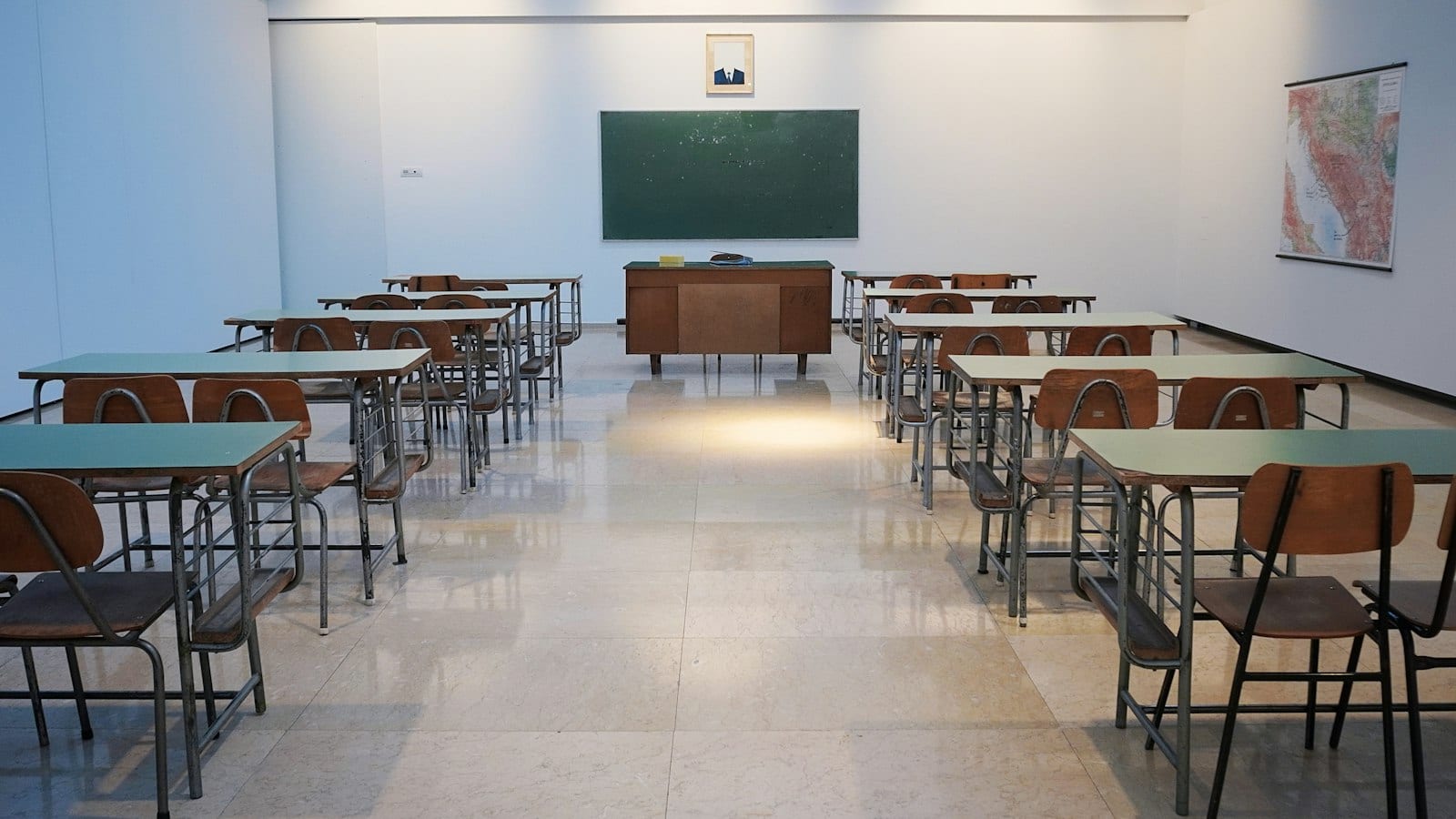
For the first time at school level, Class 9 students in India will be taught how to calculate income-tax liability under the new tax regime, according to a newly released NCERT social science textbook reviewed by The Hindu.
The chapter "Managing Your Personal Finances" appears in Understanding Society: India and Beyond — Part Two. It carries a civic message that paying taxes "honestly and on time" is an "important responsibility of every citizen" that funds national development, and that money management begins in childhood.
What the new regime means in the classroom
The new tax regime was announced in the Union Budget for 2020–21 and became the default from 1 April 2023. Taxpayers who want the old regime's exemptions must actively opt out. The Class 9 chapter walks students through slab-wise calculations under the new rates — and does not mention the old regime at all.
NCERT director Dinesh Prasad Saklani said letting students work through actual slab calculations at this age is a first. The chapter also lists "pillars of personal finance" — income, budgeting, saving, investing, and protection against risk — and introduces fixed deposits, bonds, equities and mutual funds under "power of early investments".
Four books become two volumes
Until 2025–26, Class 9 social science meant four separate books: history, geography, political science and economics. NCERT has now rolled them into one integrated set across two volumes, compressing 20 chapters into 16 themes. Part One came out in June; Part Two was released on 29 September 2026 — six months after the academic year began — so many schools will introduce it mid-session.
Curriculum reformers argue that financial literacy belongs in school, not only in adult banking apps. Critics may ask whether presenting only the new regime, without the old one's deductions for housing or insurance, gives teenagers a full picture of how India taxes work. For now, the textbook's answer is clear: lower rates, fewer exemptions, and a duty to pay on time.
State boards that still use older NCERT editions will decide how quickly to switch. In Tamil Nadu, where the State board runs a parallel syllabus, the chapter will matter most to CBSE and other NCERT-aligned schools — but the idea of teaching tax arithmetic at 14 is likely to travel.
Sources
Share this story
Related articles
1937–40: the first anti-Hindi agitation and the Justice Party's second life
A Congress government's order making Hindi compulsory in 125 secondary schools set off thirty months of protest. Two men died, about 1,200 people were jailed, and a defeated party found a new purpose under Periyar.
· 2 min read
Temples, universities and T. Nagar: the Raja of Panagal's lasting reforms
The Hindu Religious Endowments Act, introduced by the Justice government and passed in 1925, set the pattern for State oversight of temples that Tamil Nadu still follows. The same ministry left Andhra University, Annamalai University and a new neighbourhood in Madras.
· 2 min read
Breakfast now reaches Class 8: 34.64 lakh Tamil Nadu children to be fed before lessons begin
Chief Minister C. Joseph Vijay extended the renamed Perunthalaivar Kamarajar Breakfast Scheme to Classes 6 to 8, adding about 15.30 lakh pupils in 7,537 more schools. The idea of feeding children at school in Madras goes back to a Justice Party leader in 1922.
· 3 min read