Breaking
Fifty Cents of Poromboke: The Sworn Affidavit That Could Unseat a Chief Minister
A Perambur voter has asked the Madras High Court to void Chief Minister Vijay's election, alleging his sworn affidavit claims ownership of Kodaikanal poramboke land and misstates other properties. Vijay calls the charges baseless.
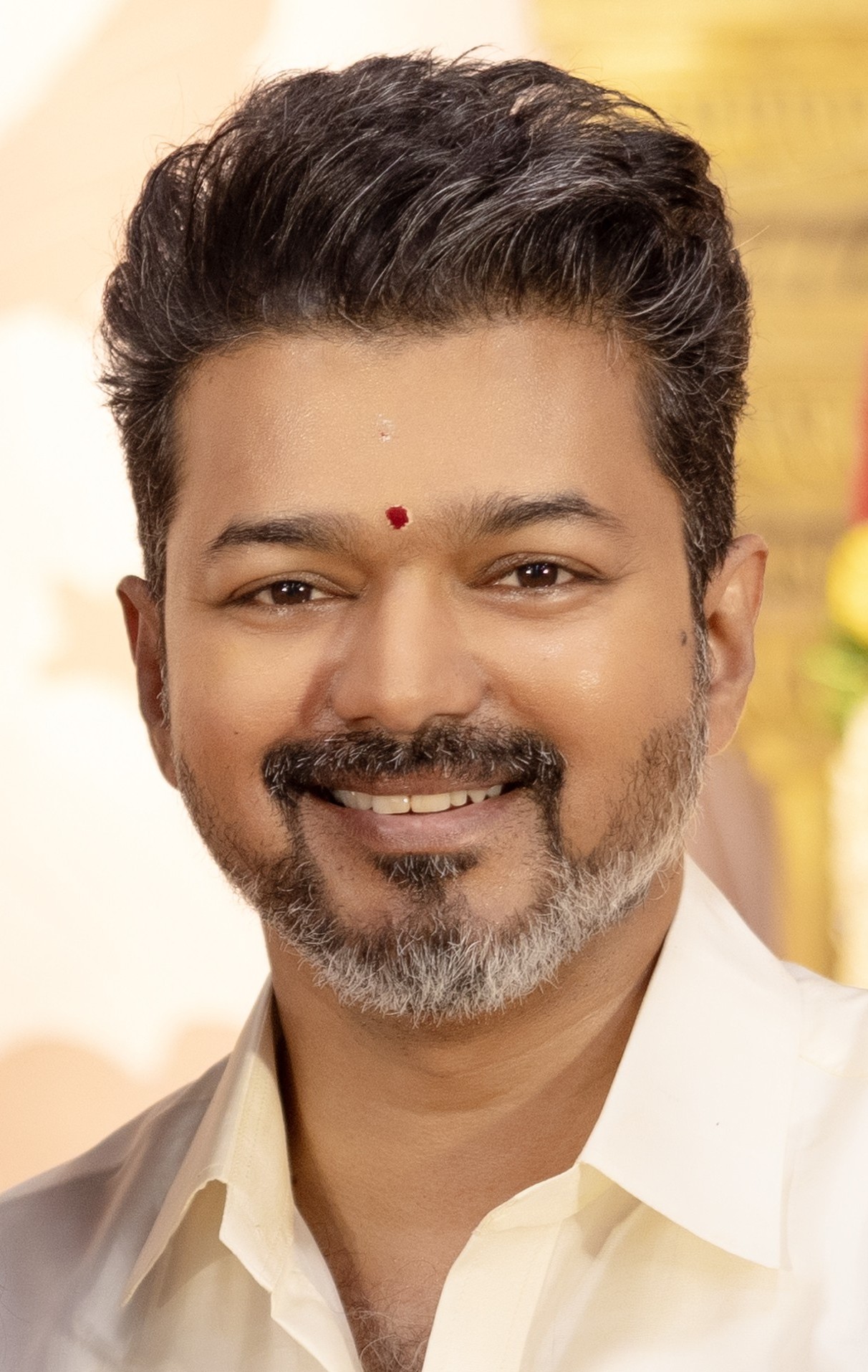
There is a piece of land at Vilpatti village in Kodaikanal that, on the State's own records, cannot belong to any private citizen. It is poramboke, land held for the public and entered in the village accounts as government land. Yet the sworn election affidavit of Tamil Nadu Chief Minister C. Joseph Vijay lists agricultural land at Vilpatti, bought by him in 1997 for ₹30,000 and now valued at about ₹20 lakh, as though it were an ordinary private purchase. That contradiction, placed before the Madras High Court by an election petitioner, now hangs over the Chief Minister's election itself.
The petitioner, S. Dinesh, a voter of the Perambur constituency from which Vijay was elected, has asked the court to declare the Chief Minister's election null and void. His counsel, V. R. Shanmuganathan, contends that the affidavit amounts to wilful suppression, misrepresentation and false declaration in respect of immovable properties. The petition is pending before Justice V. Lakshminarayanan.
Poramboke is not a clerical word. In Tamil Nadu's revenue vocabulary it denotes land reserved for common purposes, grazing grounds, water bodies, village pathways, recorded in the village 'A' register as government land and kept outside private ownership. When a candidate swears that such land is his purchased asset, one of two things must be true: the revenue record is wrong, or the affidavit is. Both possibilities are grave. The first indicts the record-keeping of the very government the candidate now leads; the second strikes at the honesty of the declaration on the strength of which Perambur voted.
The Kodaikanal parcel is not the petition's only charge. Dinesh alleges that a commercial building at Padi, which he says was sold for ₹35 crore on 12 February 2026, continues to be shown in the affidavit as Vijay's own property worth ₹7 crore, and that its mode of acquisition is misstated. He questions the extent and value declared for a property at Porur. And he says the Neelangarai bungalow, described in the affidavit as inherited, in fact reached Vijay through a 2005 settlement deed from his father, S. A. Chandrasekhar, who had bought it in 2003. Each discrepancy, the petitioner argues, was material information owed to the voter.
Vijay has denied the allegations as baseless and has asked the court to reject the petition at the threshold. His position, argued by senior counsel Gopal Sankaranarayanan, is that even if the petition's contents were taken as true, they disclose no cause of action: minor differences in extent, value, built-up area or mode of acquisition, in respect of assets that were disclosed, cannot undo an election. The Chief Minister declared assets of over ₹600 crore, his counsel noted, and won 1,20,365 votes with a margin of 53,715; Perambur, he argued, voted knowingly for the actor it knew.
Justice Lakshminarayanan has heard Vijay's side over two days and has adjourned the matter to Wednesday to hear the petitioner, which is to say, the court has not yet decided whether these questions will be tried at all.
But the questions will not wait for the court. An election affidavit is the one document in which a candidate must speak the whole truth about what he owns, because it is the document on which the voter's informed choice rests. A government that cannot say whether fifty cents of its own poramboke land belongs to the public or to its Chief Minister has a problem larger than one petition. The revenue department answers to Vijay. The affidavit was signed by Vijay. Somewhere between the two signatures, the truth is waiting to be reconciled, and Tamil Nadu is entitled to see it reconciled in open court.
Sources
Share this story
Related articles
The Deletion Dividend: TVK Took 28 of the 32 Seats Where Over 50,000 Voters Were Struck Off
A constituency-by-constituency comparison of the SIR voter-roll purge with the 2026 results shows the TVK's victory rising in near-perfect step with the deletions: the deeper the cuts, the bigger its wins, including all ten seats where over 80,000 names vanished.
· 3 min read

Eighty-four lakh free rides a day, one question unanswered: what does the free bus earn women?
The TVK government has expanded free bus travel to 84 lakh women a day at about Rs 6,000 crore a year. The rides are real. What is missing is any measure of jobs, income or savings they create.
· 2 min read

Trench before the rain: Chennai extends road cuts to October 15 as residents fear open pits will flood
The Greater Chennai Corporation has extended road-cut permission to October 15 to finish stormwater and pipeline work, a month past the usual deadline. Residents warn unfinished trenches could become flood and accident hazards when the monsoon arrives.
· 2 min read

No secretary, no relief: Udhayanidhi says TVK has left farmers headless on the eve of the rains
Udhayanidhi Stalin urged the TVK government to appoint a full-time agriculture secretary immediately, saying a month-long vacancy, an unkept crop-loan waiver promise and irrigation failures have left farmers without anyone answerable in Chennai.
· 2 min read