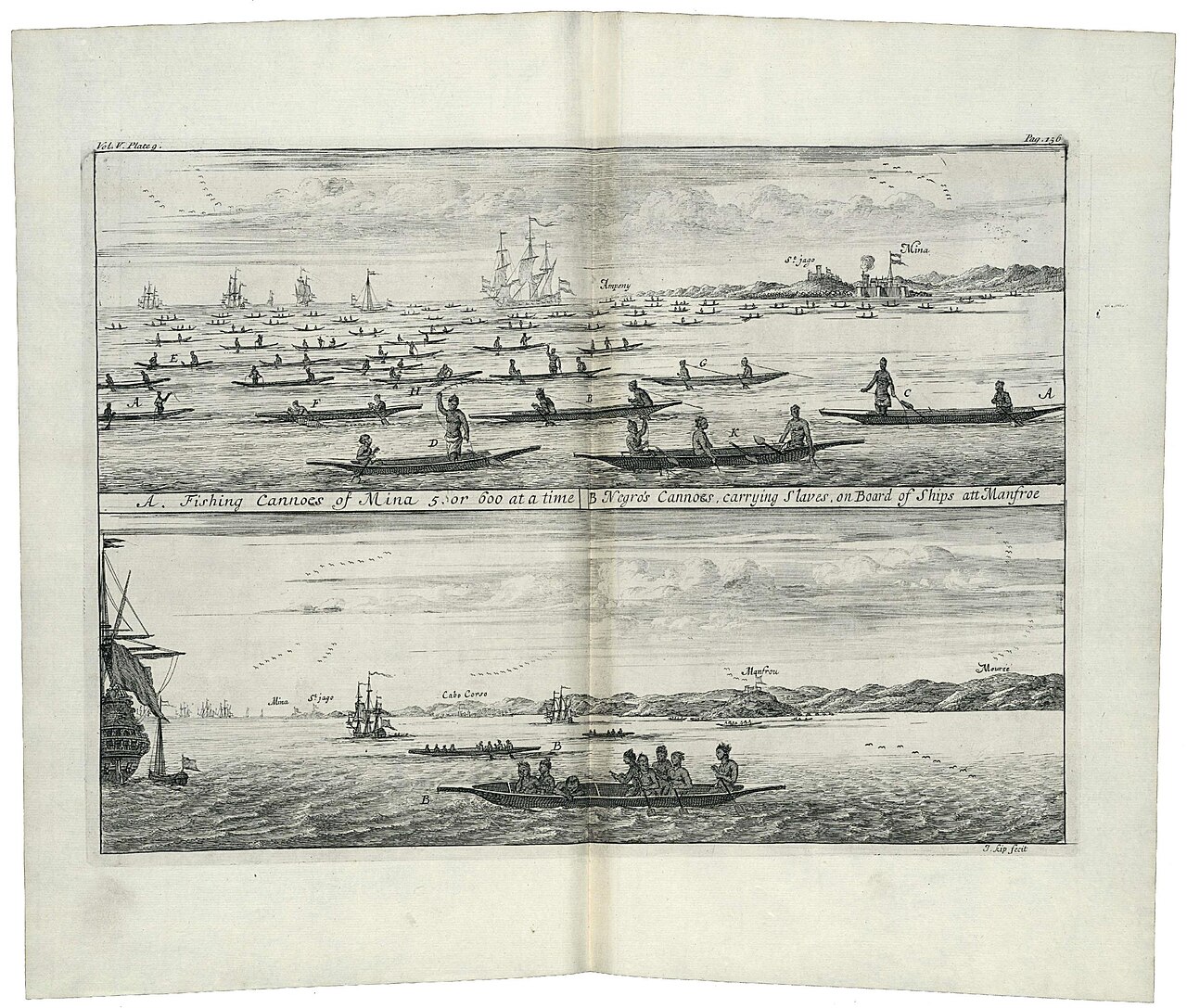
'Wholehearted, without any real reservations': Dutch study says the House of Orange kept the slave trade alive
A three-year study commissioned by King Willem-Alexander concludes that the House of Orange-Nassau was 'wholeheartedly' involved in colonial exploitation and shares responsibility for the survival of the Dutch slave trade over centuries — a finding that could reignite the reparations debate in the Netherlands.
Sources
Share this story
Related articles

Bleeding on the cockpit floor, he reached for the door: Indian captain tells Modi how he thwarted the Flydubai attack
Captain Smit Machchhar, recovering in an Abu Dhabi hospital, told Prime Minister Narendra Modi how he fought off a stabbing attack by his co-pilot on flight FZ1073 and opened the cockpit door while the jet plunged thousands of feet — letting the crew overpower the attacker and two reserve pilots divert to Saudi Arabia.
· 2 min read
Carney's 'nation-building' bill lets one minister kill a lawful strike in the name of the 'national interest'
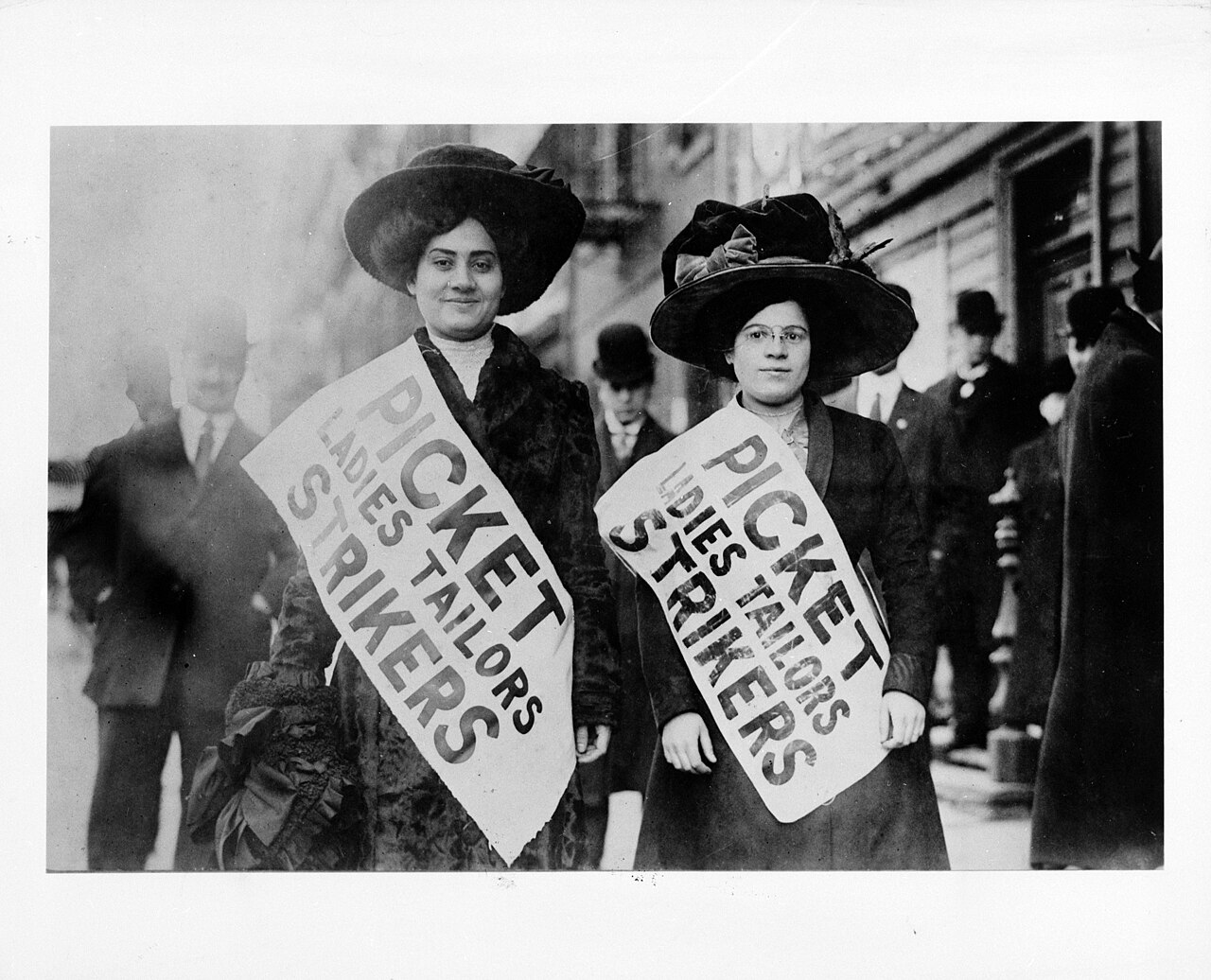
Mark Carney's Building Canada Strong Act would write sweeping new strike-breaking powers into the Canada Labour Code: once a legal strike begins, the labour minister could order workers back, extend contracts or impose arbitration — with 'national interest' left undefined. Unions call it the biggest rollback of workers' rights in generations.
· 3 min read

Two lethal doses, blown veins, a ventilator: Tennessee's botched execution puts the death penalty itself on trial
Christa Pike survived Tennessee's attempt to execute her and now lies unconscious on a ventilator, her lawyers say. IV lines were never placed correctly, veins blew, and a second dose was pumped in anyway — the state's second botched execution this year.
· 2 min read

Israel could have ended the Gaza war a year earlier and freed the captives, says its own ex-negotiator
Retired Maj. Gen. Nitzan Alon, who led Israel's hostage coordination for two years, says the government repeatedly chose partial deals to keep the war going — and that about 40 captives who were taken alive died in captivity.
· 2 min read