Opinion
4,018 dead and the world scrolls past: Congo's Ebola toll indicts global health
The fastest-growing Ebola outbreak in history has killed 4,018 people in Congo. Health workers strike unpaid while a foreign aid worker is airlifted to Europe. The virus is African; the neglect is global — and it is a choice.
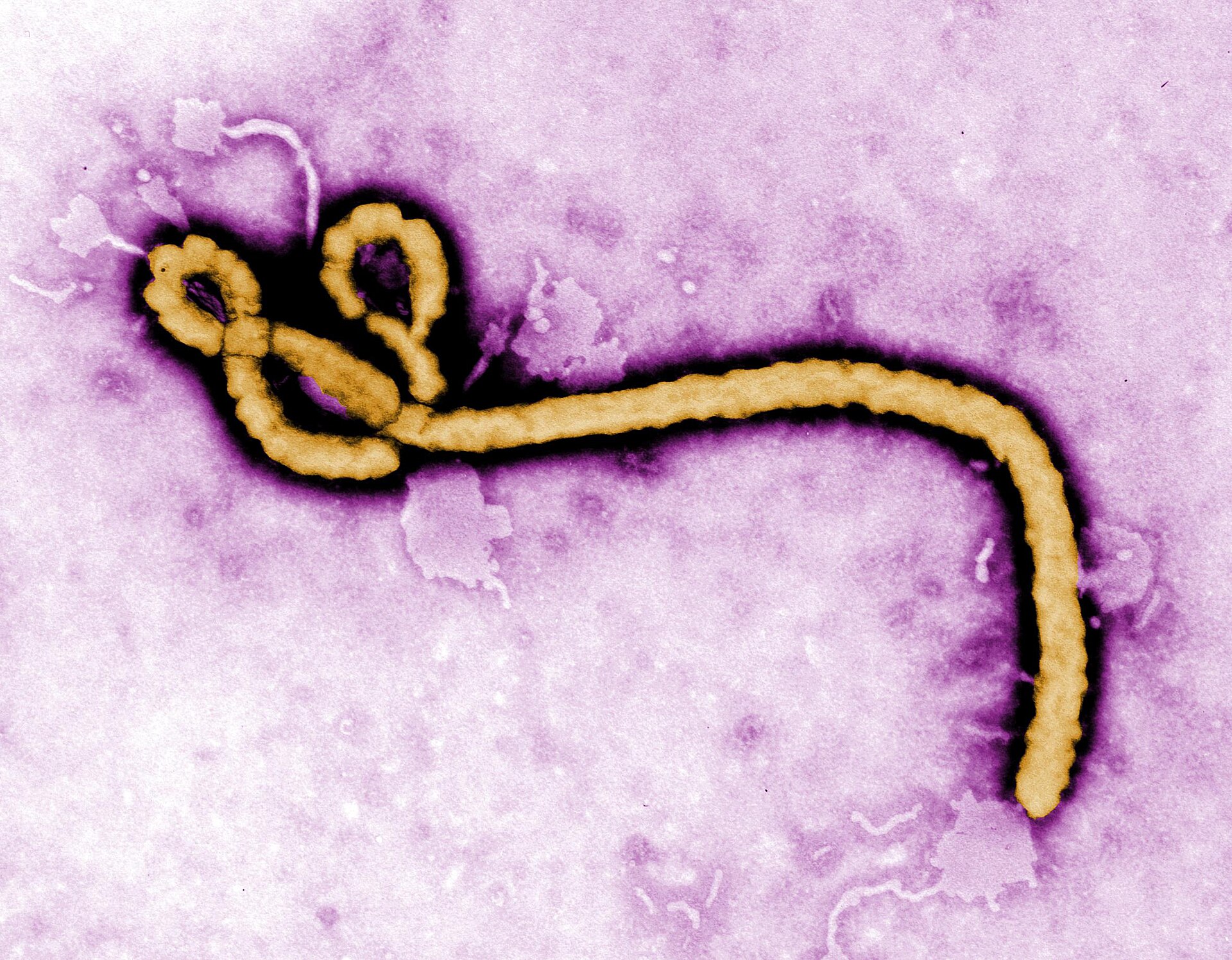
4,018 dead. Nearly half of everyone confirmed infected. The fastest-growing Ebola outbreak in human history — and the world is scrolling past it.
Read the two scenes from Bunia together and they tell you everything about the order we live in. In the first, Congolese health workers — including the surveillance teams who trace the contacts of the infected — march with placards reading 'No money, no data!' and 'No payment for months.' They are dispersed by officials. They have struck repeatedly, unpaid, while a virus with no vaccine and no cure moves through their communities. In the second, an aid worker with Medecins Sans Frontieres is infected — and within hours a special medical flight carries them to a high-level isolation unit at Leiden University Medical Centre in the Netherlands.
Both lives matter. Only one gets airlifted. That is not a failure of logistics; it is the design of a global health system in which African health workers are expected to absorb the risk while European institutions absorb the rescue.
Then there is the fire. Soldiers hunting for weapons burned down an Ebola transit centre in Kigonze, and 19,000 people fled into the very displacement that spreads disease. In Ituri, the epidemic and the armed conflict feed on each other — and the international response treats both as background noise, a tragedy to be managed rather than ended.
And consider the virus itself: Bundibugyo. Rare, with no known treatment and no vaccine. Decades after Ebola first emerged, cures still follow markets, not need. Pharmaceutical capital chases the diseases of the rich; the diseases of the Congolese poor get press releases. The Dravidian movement taught that public health is a public responsibility — the world has built the opposite: health as a commodity, pandemics as someone else's problem.
When the history of this outbreak is written, the toll will not be laid at the feet of a virus alone. It will be laid at the feet of an order that could not find the money to pay its own health workers, but could always find the money for the wars that burn their clinics down.
Sources
Share this story
Related articles
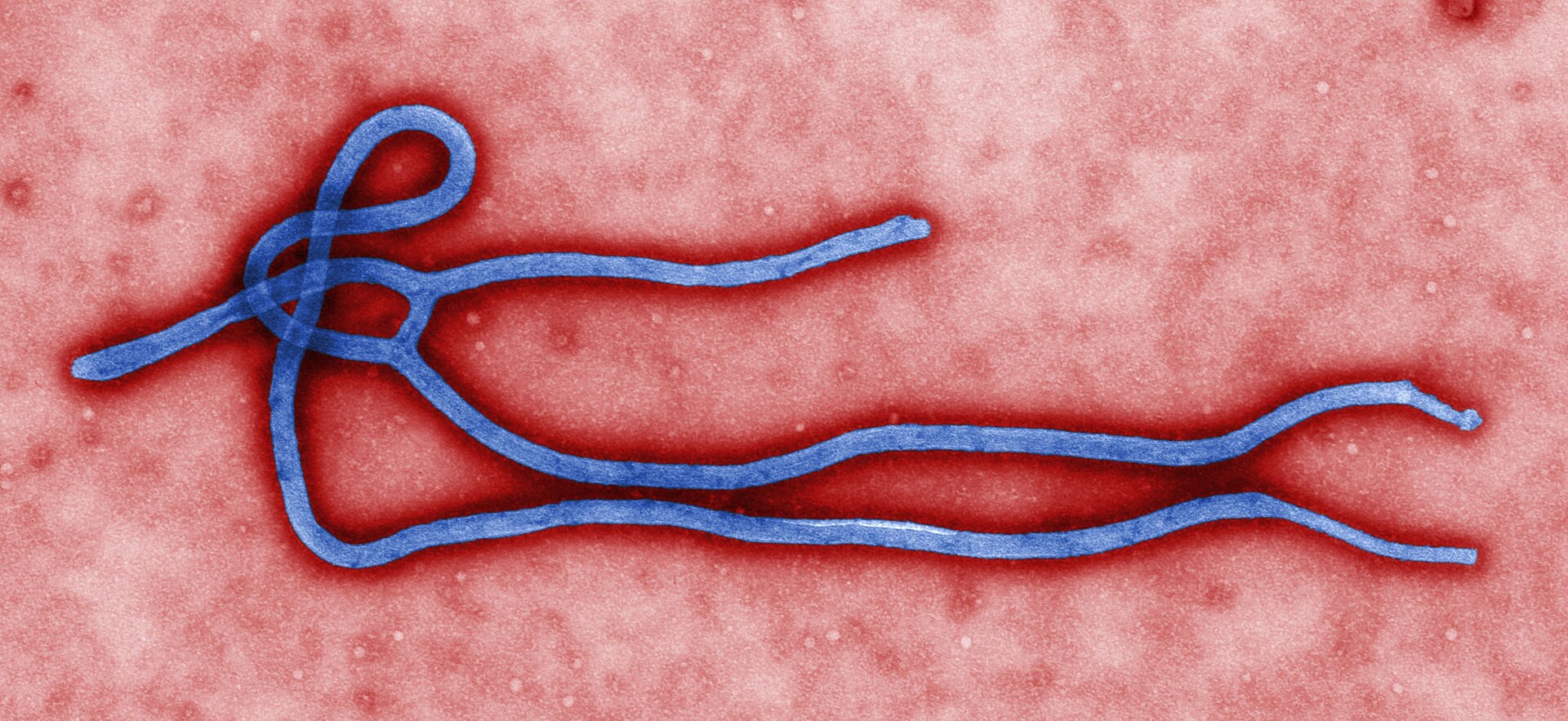
4,018 dead: Congo's Ebola outbreak is now the fastest-growing in history — and a treatment centre lies in ashes
More than 4,000 people have died in the Democratic Republic of Congo's Ebola outbreak — nearly half of 8,300 confirmed cases — in what is now the fastest-growing Ebola outbreak ever recorded. As soldiers burned down an Ebola transit centre near Bunia, sending 19,000 fleeing, unpaid health workers took to the streets demanding wages.
· 2 min read
4,018 dead and the world scrolls past: Congo's Ebola toll indicts global health
The fastest-growing Ebola outbreak in history has killed 4,018 people in Congo. Health workers strike unpaid while a foreign aid worker is airlifted to Europe. The virus is African; the neglect is global — and it is a choice.
· 2 min read

'Pure force'? The bypolls are auctioning TVK's promise of change
The party elected as a 'pure force' against money politics now stands accused — by its own Left allies — of topping cash distribution in the October 6 bypolls. On Madurantakam and Dharapuram, manufactured elections, and the auction of a promise.
· 2 min read

The deposit trap: 36,000 small savers, one paper empire — the state failed them first
₹391 crore in "salaries" for four employees. ₹80 crore in onions that were never bought. Export profits from exports that never happened. The ₹1,417-crore Unique Exports fraud is not just a crime story — it is a portrait of a state that arrives after the money is gone, and of small savers it never protected.
· 2 min read