21 AIADMK MLAs and the Speaker's Mercy: the Disqualification Fight Reaches the Supreme Court
After the Speaker dropped disqualification proceedings against 21 AIADMK MLAs who defied their party whip, Desiya Makkal Shakti leader M.L. Ravi has moved the Supreme Court, asking how Tamil Nadu's ruling majority was really built.

Sources
Share this story
Related articles
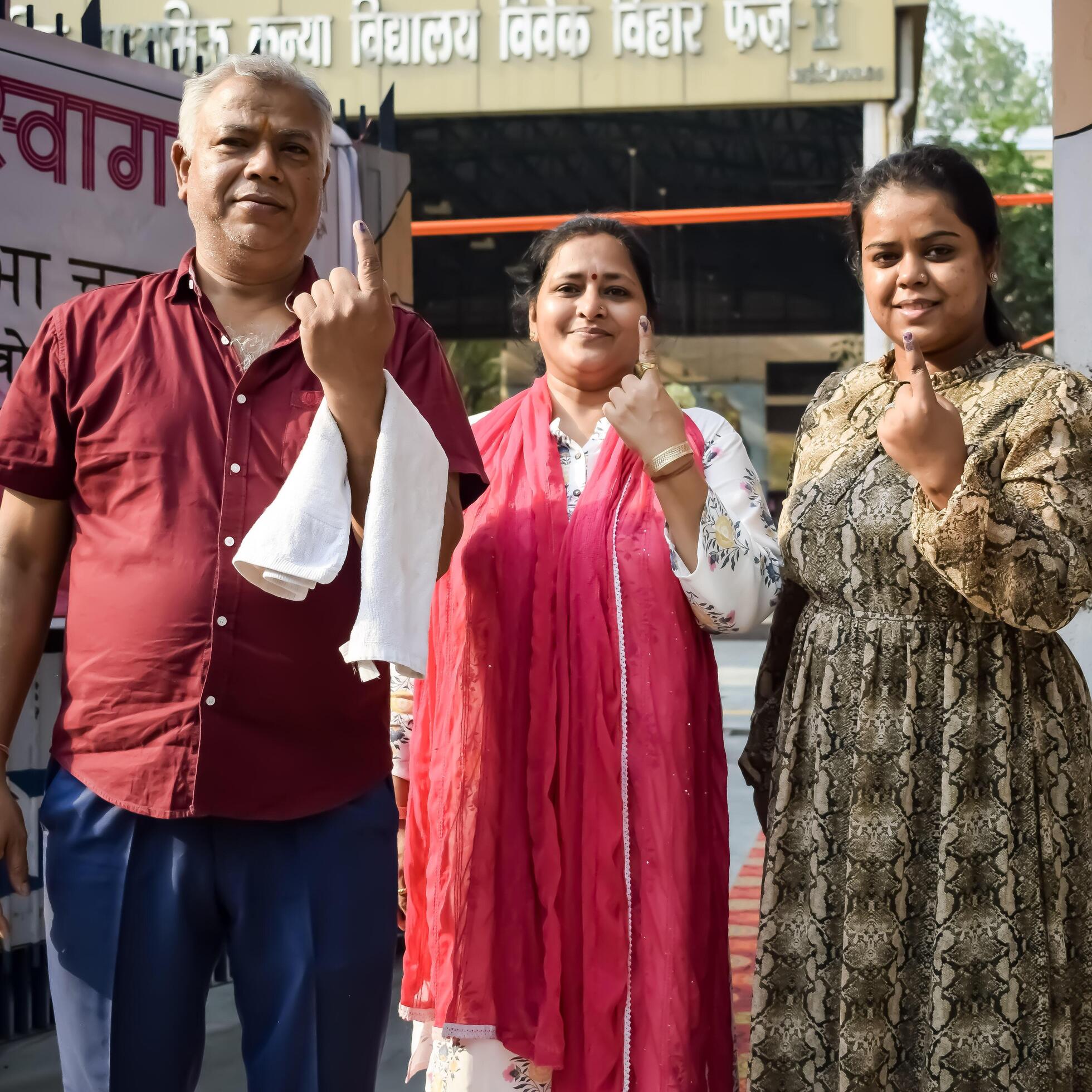
Resign, defect, recontest: the bypoll is not democracy, it is a purchase order
Two MLAs won in April, quit within a month, joined the ruling TVK and are now asking the same voters for the same seats. Madurantakam and Dharapuram are not choosing representatives — they are being asked to rubber-stamp a transaction.
· 2 min read
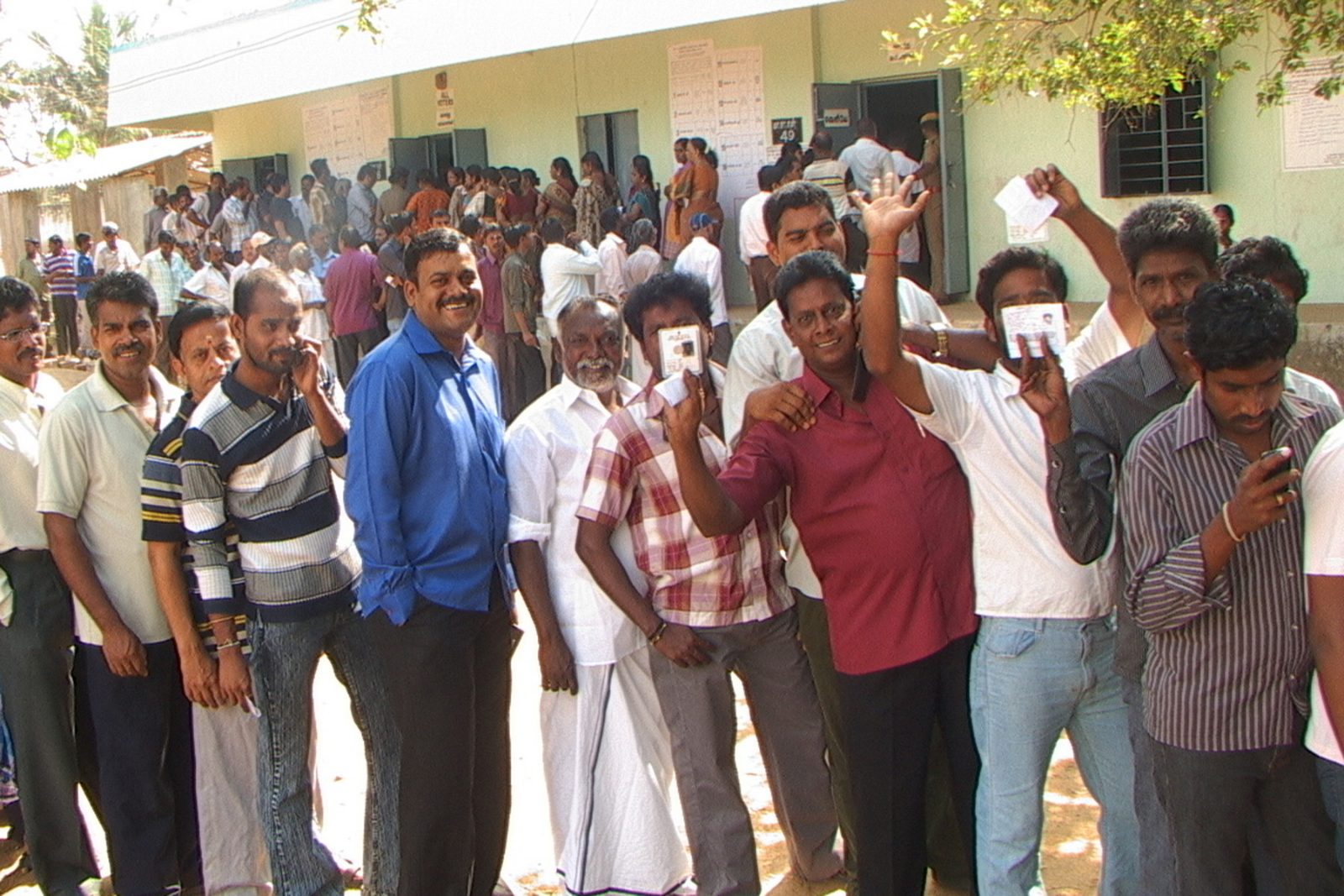
War of words sharpens as Madurantakam and Dharapuram head to the October 6 bypolls
With polling four days away, the ruling TVK, the DMK and the AIADMK are trading charges of horse-trading, coordinated smear campaigns and "reels" governance in two constituencies the Chief Minister's party cannot afford to lose.
· 2 min read

The defection bazaar: in Madurantakam, the voter's thumb is a rubber stamp on a done deal
An MLA elected on the AIADMK's ticket in April resigned within weeks and recontests on the ruling TVK's ticket in October. Madurantakam's bypoll is not an election — it is a receipt for a transaction. Mandates treated as merchandise assault the voter's dignity.
· 2 min read

Madurantakam's manufactured bypoll: resigned AIADMK MLA recontests as TVK face — Oct 6 verdict
Three days before polling, Madurantakam (SC) is a bypoll manufactured in a party office. K. Maragatham Kumaravel won on an AIADMK ticket in April 2026, resigned weeks later, joined the ruling TVK — and now asks voters to bless the defection that forced this election. Polling Oct 6.
· 2 min read