Twenty-five years on, Guantanamo still holds 15 men and Washington has no plan to close it
The US prison at Guantanamo Bay, opened in January 2002, still holds 15 men a quarter-century later. Its first commander calls it a geriatric prison, and there is no push in Washington to shut it.
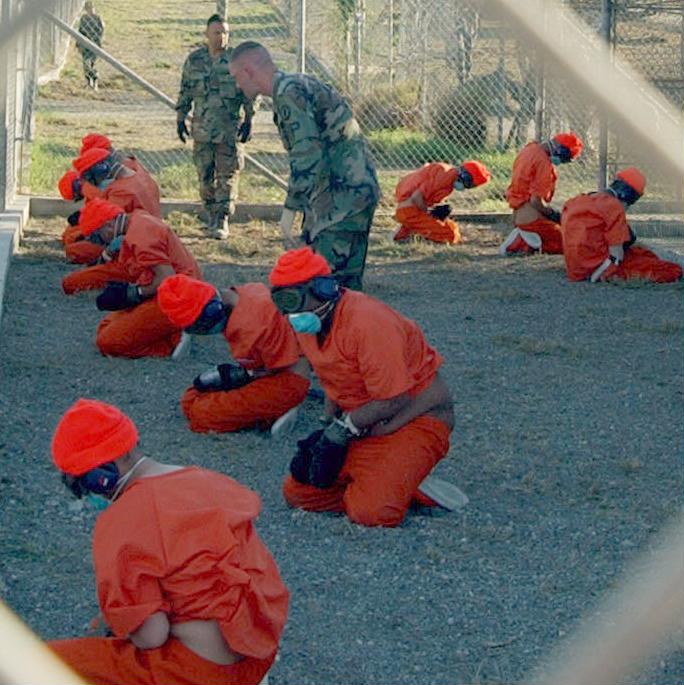
Why is Guantanamo prison still open? Twenty-five years after the first detainees arrived at the US naval base in Cuba on January 11, 2002, the detention camp built for a short emergency has become a permanent institution with no closing date.
Around 780 men and boys have been held at Guantanamo over its lifetime. Fifteen remain. All fifteen have been detained since at least 2008, and three arrived in 2002, the year the camp opened. Roughly 800 US military and civilian personnel are assigned to the detention mission, more than 50 staff for every prisoner.
I thought we were looking at 10 years, retired Marine Major General Michael Lehnert, the facility's first commander, has said. I didn't think we were looking at 25 years, and you and I both know there's no push right now to close it either. We're running a geriatric prison at this point. A very expensive one, by the way. Lehnert has long argued that the prison does not make the United States safer.
The fifteen are not a single group. Seven face charges in the military commission system, including five accused of planning the September 11 attacks. Two have been convicted. Three have been cleared for transfer by US review boards but remain in their cells because no country has agreed to take them. Three more are held in indefinite detention without charge and without clearance for release, among them Abu Zubaydah, who has never been charged with a crime despite nearly two decades in custody.
The camp has also acquired a second life. In the past year the base has been used as a transit point for migrants and federal prisoners, cycling hundreds of people through a facility originally justified as a place to hold the worst of the worst. The legal grey zone that made Guantanamo useful in 2002, US control without Cuban sovereignty and, Washington argued, without the full reach of the US constitution, is the same grey zone that makes it useful now.
A quarter-century on, the question the camp's own first commander asks is the one Washington will not answer: if not ten years, and not twenty-five, then how long?
Sources
Share this story
Related articles
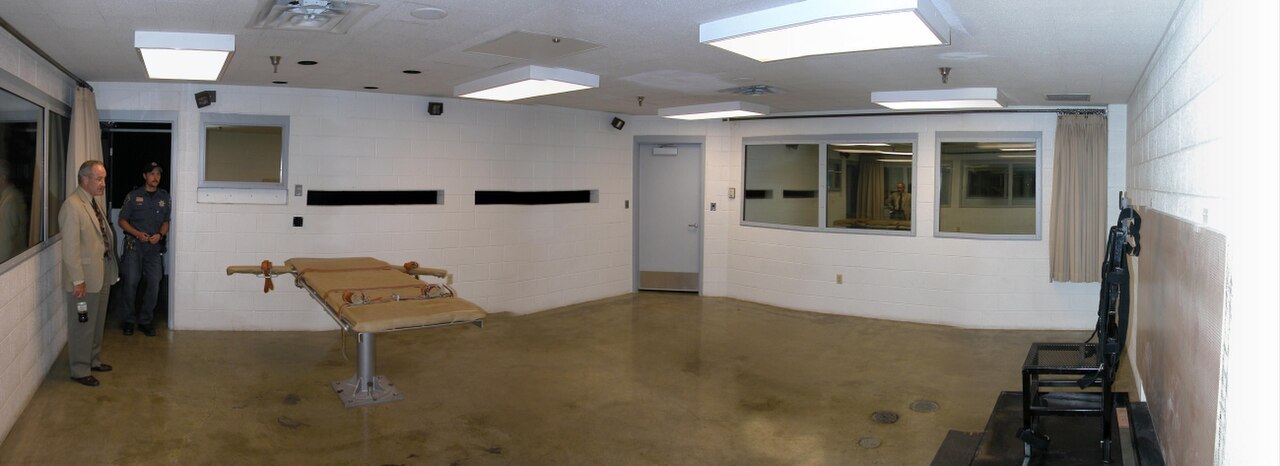
'Where am I?' She survived two lethal doses — now a judge orders Tennessee to preserve every trace
Christa Pike survived Tennessee's attempt to execute her and woke after days on a ventilator. A judge has now ordered the state to preserve the evidence of what went wrong.
· 2 min read

One roof for CNN and CBS: $111bn Paramount-Warner deal sparks fears for press freedom
Paramount's $111bn takeover of Warner Bros. Discovery puts CNN and CBS News under the Ellison family. A settlement promises an independence board, but critics ask whether ownership this close to power can leave news alone.
· 2 min read
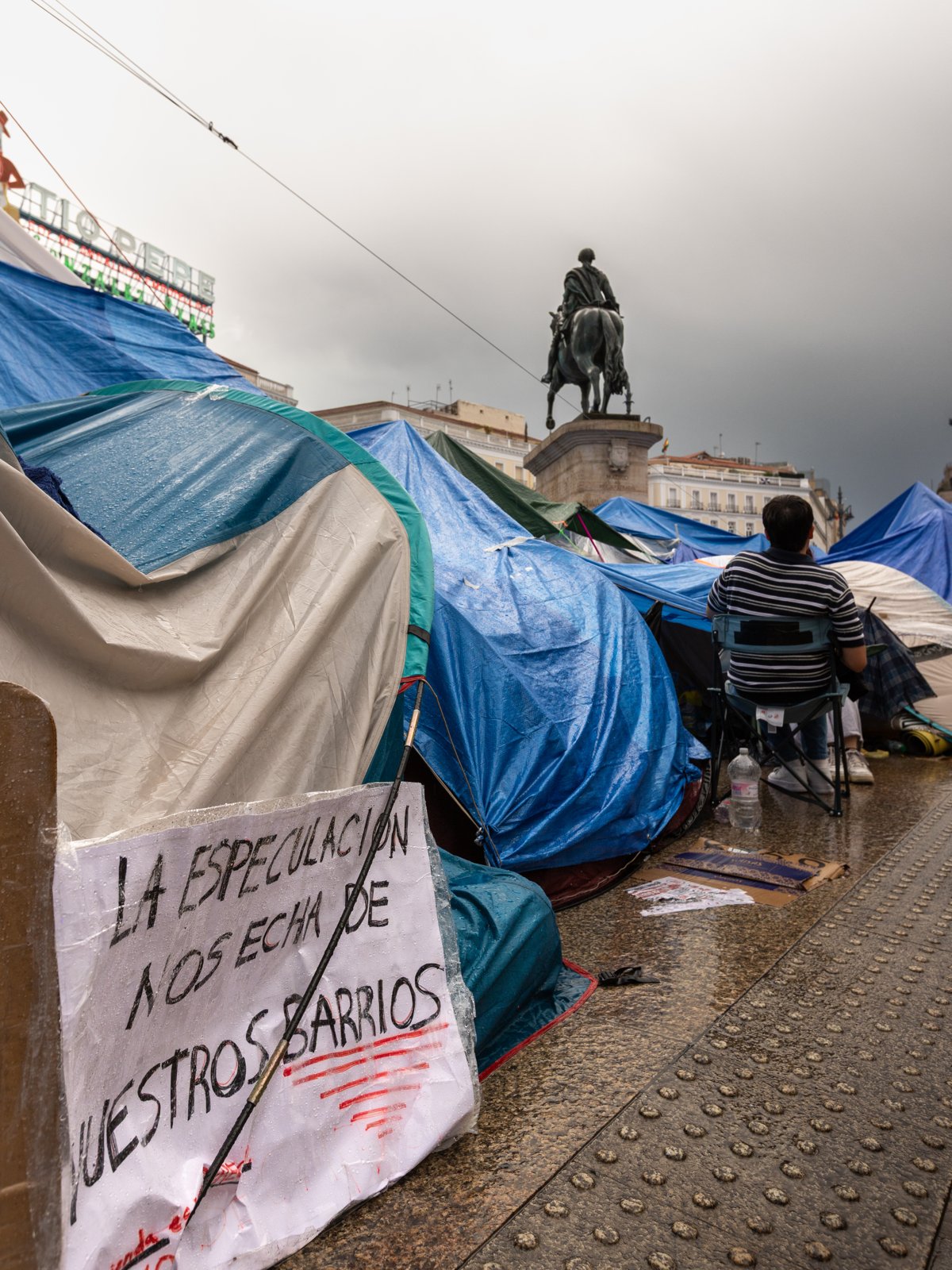
'This is not a death, it's a murder': Spain marches after evicted 87-year-old dies
Maricarmen Abascal, evicted last month from the Madrid home she had lived in for more than 70 years, has died in hospital. Thousands marched on parliament as unions called a general strike over housing.
· 2 min read
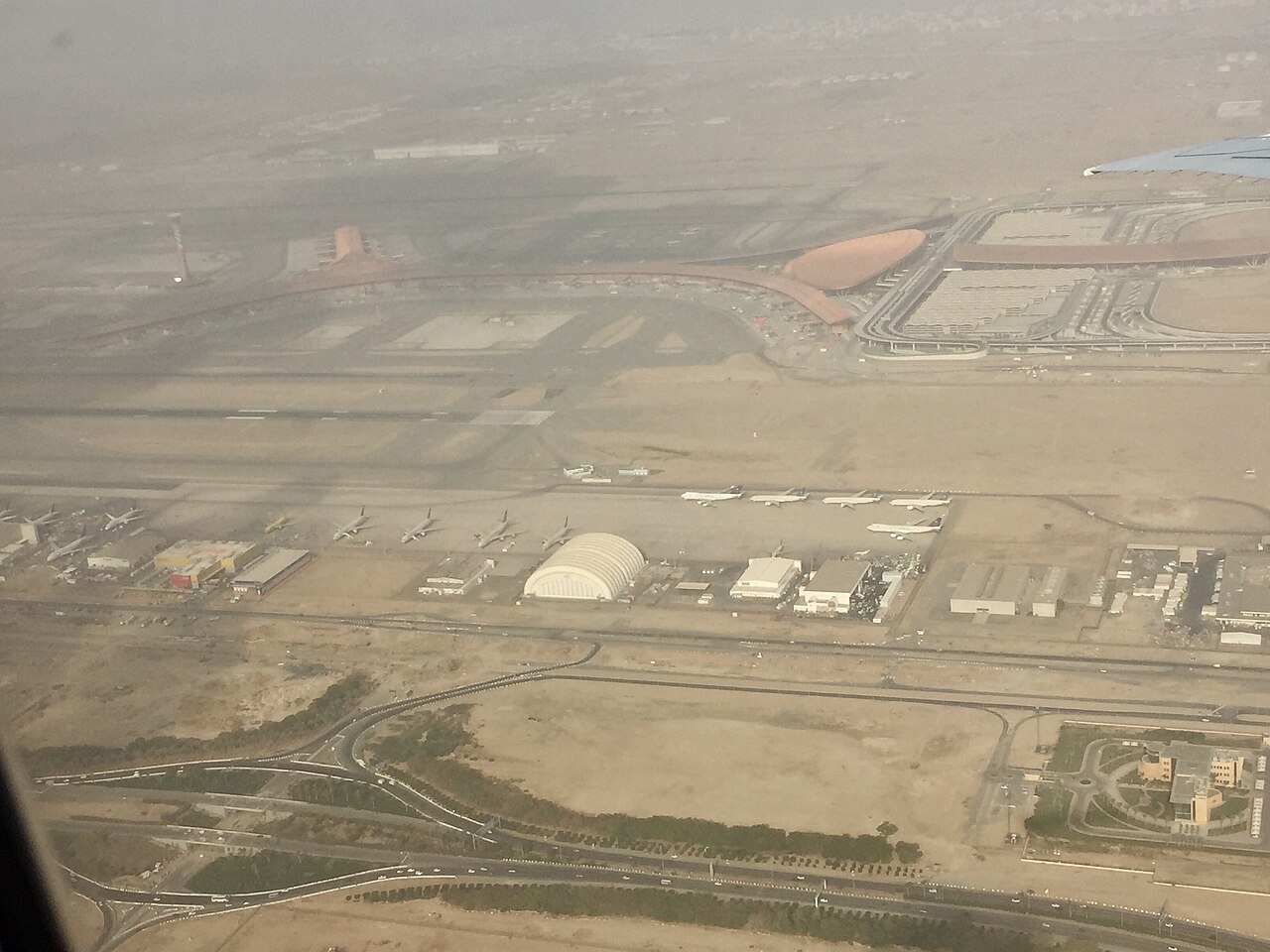
Three dead as Houthi strikes hit Saudi airports in Riyadh and Abha
Saudi Arabia's civil aviation authority said attacks on Abha and Riyadh's King Khalid airports on Oct 6-7 killed three people and wounded 36. Houthi forces claimed the strikes, as Yemen's war spills further into the kingdom.
· 2 min read