Three foreign nationals dead as airport attacks widen the Saudi-Yemen war
Saudi Arabia says a Moroccan and an Algerian woman were killed in Abha and a Sudanese national in Riyadh, as Houthi missile and drone attacks on airports widen the Yemen war.
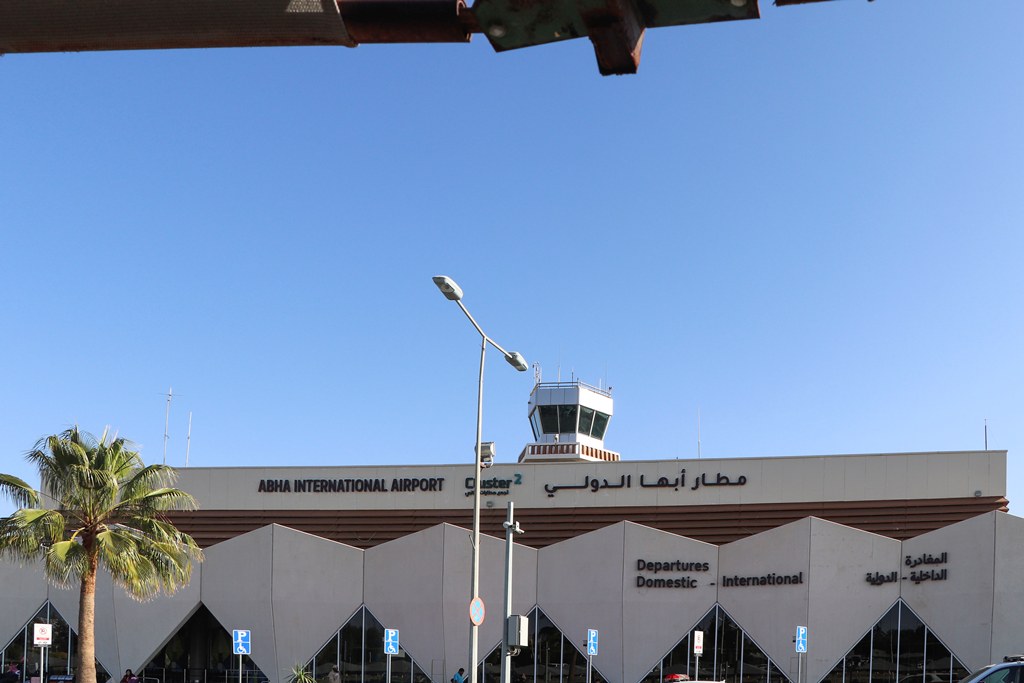
RIYADH: Three foreign nationals are dead after attacks on Saudi airports, Riyadh has said, as the kingdom's renewed war with Yemen's Houthi movement moves from the battlefield to the departure board. Saudi Arabia said two women, a Moroccan and an Algerian national, were killed in Abha, and a Sudanese national was killed in Riyadh. The announcement follows a week in which airports, an oil refinery and military bases across the kingdom have all been named as targets.
The sequence matters more than any single strike. On Monday evening, Saudi Arabia's civil aviation authority said the airports at Jazan and Najran were attacked, injuring three people and causing limited damage, while it assessed security across the civil aviation system. The Houthis then claimed a wider campaign: drones at King Khalid International Airport in Riyadh, ballistic missiles and drones at Abha airport and the Khamis Mushait air base, and strikes on military camps in the southwest. The Saudi-led coalition said it intercepted a ballistic missile north of Riyadh and later destroyed a missile launch platform in Sanaa and a storage site said to hold 20 ballistic missiles in Saada.
Each side is now describing the other's infrastructure as the target set. The Houthis say their operations answer Saudi airstrikes across Yemen, which they put at 60 in a single day. Riyadh says it is defending its cities and pressing a ground offensive in support of Yemen's internationally recognised government. Between those accounts sits the fact neither disputes: civilian aviation, the one system every country in the region depends on for labour, trade and pilgrimage, is now inside the firing map.
For Gulf states, the exposure is economic as much as military. Airports are the front door of economies built on expatriate labour and transit trade; a sustained campaign against them raises insurance, rerouting and confidence costs long after runways reopen. The deaths of Moroccan, Algerian and Sudanese nationals underline who actually staffs and transits those economies. Foreign workers are the region's largest population and its least protected one when missiles start crossing borders.
There is no off-ramp in the current statements. The Houthis have warned airlines that Saudi airspace is an area of operations; the coalition has promised to hunt launch platforms. Yemen's war has repeatedly expanded when one side concluded the other only understands escalation. The airport attacks suggest that calculation is being made again, and this time the bill is being presented to passengers.
Sources
Share this story
Related articles

'Running for their lives': 200,000 flee Yemen fighting as hunger closes in
More than 200,000 people have fled renewed fighting in Yemen since early September, the UN migration agency says, with three in four families in parts of the country going hungry and thousands escaping by sea to Djibouti.
· 2 min read

Trucks in a quiet town: Eritrean troops reported inside northern Ethiopia
Two witnesses say Eritrean soldiers drove through Adigrat in northern Ethiopia on Wednesday, days after the neighbours severed diplomatic ties. Eritrea denies the account and calls it a pretext for war.
· 2 min read

'Not a privilege': Liege students march as fees rise and classrooms crowd
Hundreds of students marched in Liege on Wednesday over a tuition rise to 1,194 euros and a 500 million euro savings plan, with local media reporting 107 arrests in recent days.
· 2 min read
A boy lost his hand, then France halted the grenades: student protests force a reckoning
France suspended stun grenades at student protests after a 15-year-old lost his hand in Lens. With 500 schools shut and 18 police investigations open, the injury has become a referendum on how the state polices children.
· 2 min read