Switzerland loses 5.5% of its glacier ice in one year, and nearly a fifth since 2021
A summer of heatwaves after a snow-poor winter stripped glaciers bare even at 3,500 metres. Scientists say melting that once counted as extreme at 2% a year is now routinely exceeded.
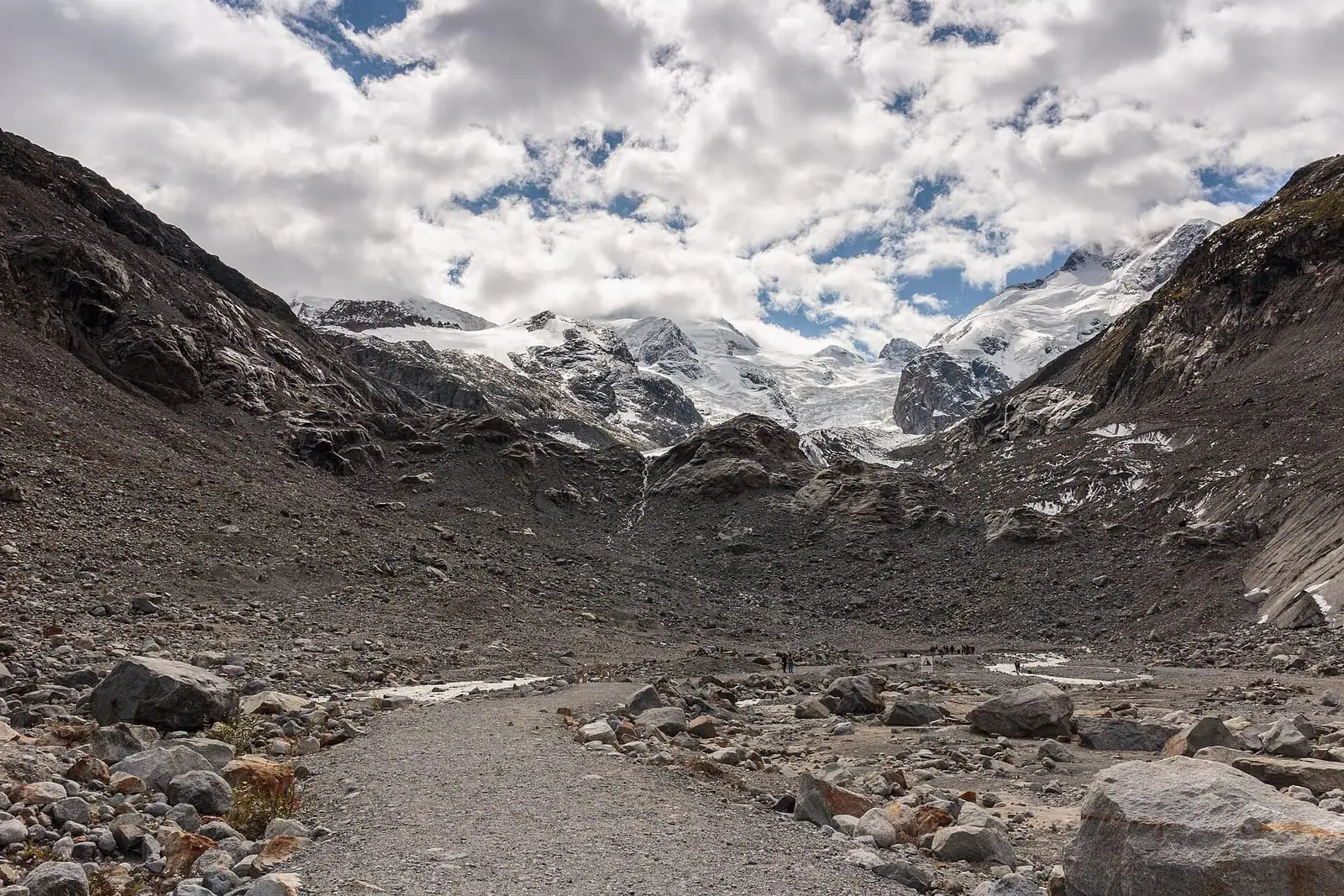
Switzerland's glaciers lost about 5.5% of their remaining ice in 2026, according to the annual report of Glacier Monitoring Switzerland, just short of the record set in 2022. Since 2021, the country has lost 19.4% of its glacier ice, almost a fifth, in five years.
Until recently, Alpine glaciologists considered a loss of 2% in a single year to be "extreme". "It's really just disastrous," Dr Matthias Huss, the network's director and the report's lead author, told the BBC.
How it happened
The glaciers started the summer badly. A mild winter left less snow than usual, and much of it vanished in early, intense heatwaves in May and June. That exposed the ice beneath. Bare ice is darker than fresh snow and absorbs more of the Sun's energy, so later heatwaves melted it even faster.
MeteoSwiss reported that the April–September half-year was the hottest and driest since records began in 1864. The ice loss would have been worse, the scientists told the Guardian, but for limited Saharan dust on the snow, slightly more snow at the end of winter and a little more cloud than in 2022.
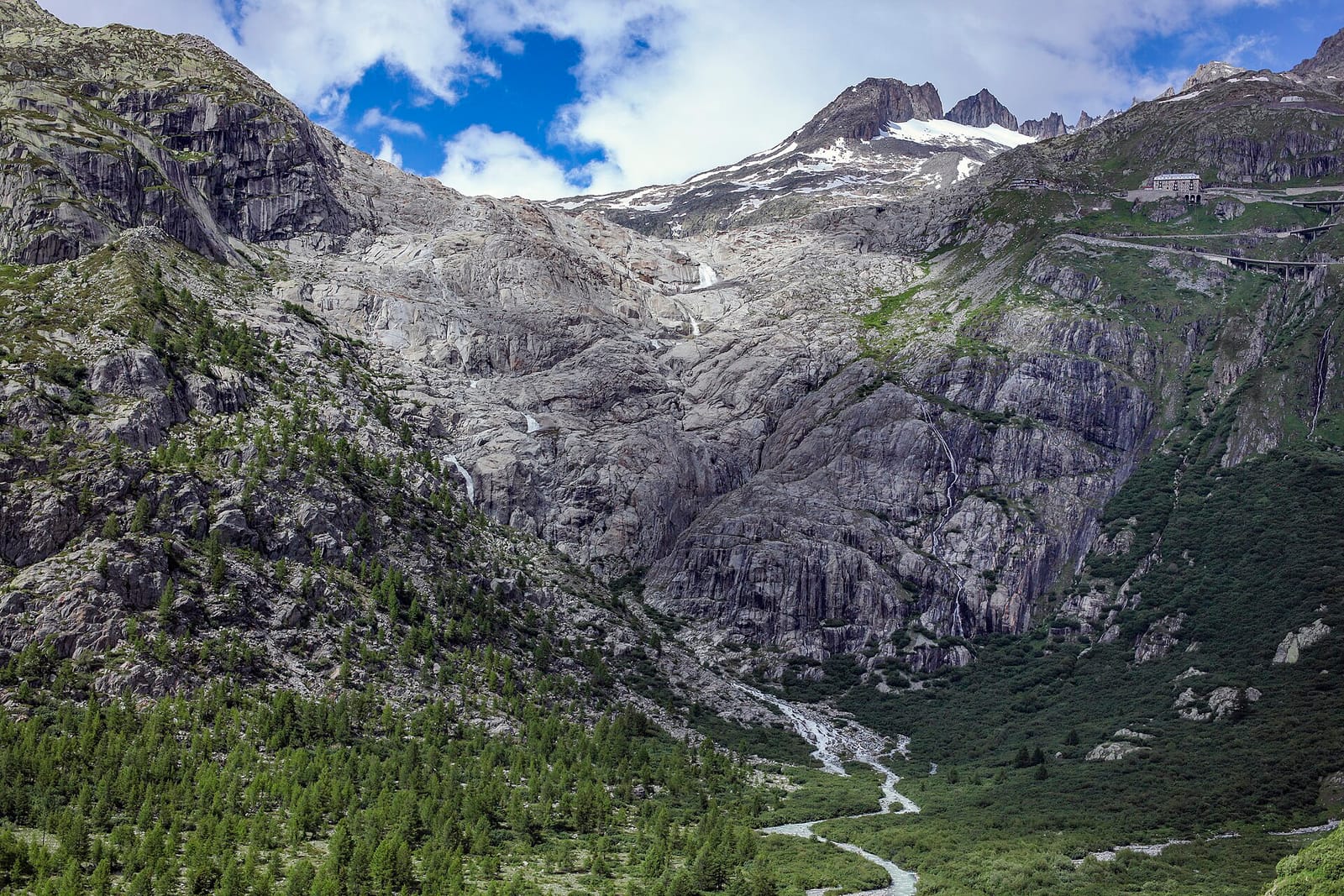
The most worrying finding came from the highest measurement sites. Even at 3,500 metres, no snow remained at the end of summer. "At some glaciers we've seen four metres of ice loss at the highest point, where they should be covered by several metres of winter snow," Dr Huss said. Without snow, a glacier has nothing to feed it.
The average thickness of individual glaciers fell by between 2.5 and 4 metres this year. Increasingly, glaciers are also collapsing from within, as meltwater streams carve caverns under the ice. "You have huge holes like cheese in the middle of the ice that have collapsing roofs," Dr Huss said.
Water borrowed from the past
Glaciers are reservoirs. Scientists estimate that Swiss glaciers released 2.2 trillion litres of meltwater between July and September, which helped ease shortages during the dry summer. But that water was stored over decades or centuries. "It's helping us now but it's unsustainable," Dr Huss said. The Rhine reached record lows in places this summer, disrupting shipping and raising transport costs.
Melting ice also destabilises mountain slopes and can raise the risk of landslides and, in extreme cases, flash floods. The BBC noted the collapse of bedrock and glacier ice that triggered a deadly flood in Nepal in August, an event with several causes in which, scientists say, long-term glacier thinning likely played a part.
Small glaciers are disappearing entirely. Dr Huss visited the former Plattalvafirn, or Griess glacier, which lost 99% of its area in 20 years. "It's a rock desert where there's some scattered blocks of old ice still lying around and melting on the hot rocks," he said.
Why it matters here
Europe is warming about twice as fast as the global average. But the lesson travels. The Himalayan glaciers that feed the Ganga, the Indus and the Brahmaputra are also shrinking, and India's rivers and hydropower depend on them in the same way the Rhine depends on the Alps. "Ten years ago, I wouldn't have thought that it's possible to lose glaciers so quickly," said Dr Fabien Maussion of the University of Bristol, who was not involved in the Swiss report.
The cause, the scientists say plainly, is warming driven mainly by fossil fuel emissions. The pace is what has changed.
Sources
Related articles
A third US carrier, a rejected roadmap and a war-weary America: the war on Iran grinds into its eighth month
Iran offered to reopen the Strait of Hormuz within seven days in exchange for an end to the US naval blockade, sanctions relief and the release of $12bn in frozen assets. Trump rejected it. As a third US aircraft carrier heads for the Gulf, nearly 70% of Americans say the war is not worth fighting.
· 2 min read
G20 trade chiefs denounce food-trade coercion but fail to agree on overcapacity and forced labour
Meeting in Milwaukee, G20 trade ministers agreed to denounce the weaponisation of food through coercive trade actions — but could not reach consensus on denouncing forced labour in supply chains or on structural excess industrial capacity, US Trade Representative Jamieson Greer said.
· 1 min read
A domino of distress: UNDP warns overlapping crises are battering developing countries
Rising energy costs, the strongest El Nino since 1950 and soaring borrowing costs are pushing developing countries toward the kind of distress last seen in the pandemic, the UNDP chief said on Friday — warning of a domino effect across some 100 countries.
· 2 min read

Flydubai survivors reach Israel as Riyadh declines Israeli rescue flight
All FZ1073 passengers have left Saudi Arabia for Israel after the cockpit attack that diverted their Dubai–Tel Aviv flight; Riyadh turned down an Israeli rescue flight, and Netanyahu ordered tighter airline security.
· 2 min read