Second US judge blocks Trump's $100,000 H-1B visa fee, in relief for Indian workers
US District Judge Haywood Gilliam blocked the Trump administration's $100,000 fee on new H-1B visas, ruling agencies skipped required rule-making steps. The fee has already been blocked by a Boston judge; Indians, 71% of H-1B recipients, are the most affected.
A second US federal judge has blocked the Trump administration's $100,000 fee on new H-1B visas, dealing another legal setback to a policy with outsized consequences for Indian professionals.
US District Judge Haywood Gilliam in Oakland, California, ruled on Wednesday that US Citizenship and Immigration Services and the State Department failed to follow required rule-making procedures before implementing the fee. He granted a request by a coalition of unions, employers and nonprofits — the plaintiffs in Global Nurse Force et al. v. Trump — to block enforcement pending the lawsuit's outcome.
It is the second court order against the fee. A Boston federal judge blocked it in June in a separate case brought by 20 states, and an appeals court declined to pause that decision in July. Separately, the Department of Homeland Security moved in August to adopt a permanent fee of about $103,000, a proposal likely to face its own legal challenge.
The $100,000 fee was originally set to expire on September 21, but President Donald Trump recently extended it for another year. The White House did not immediately respond to a request for comment.
The ruling matters most for India: people born in India accounted for 283,755 — or 71 per cent — of all H-1B petitions approved in fiscal year 2024, according to US Citizenship and Immigration Services data.
Sources
Share this story
Related articles
US completes troop withdrawal from Iraq, ending 12-year mission
The US military has completed the withdrawal of all American troops from Iraq, ending a 12-year mission against the Islamic State group. President Trump called the conclusion of the deployment "a very expensive excursion into Hell".
· 1 min read

A third US carrier, a rejected roadmap and a war-weary America: the war on Iran grinds into its eighth month
Iran offered to reopen the Strait of Hormuz within seven days in exchange for an end to the US naval blockade, sanctions relief and the release of $12bn in frozen assets. Trump rejected it. As a third US aircraft carrier heads for the Gulf, nearly 70% of Americans say the war is not worth fighting.
· 2 min read
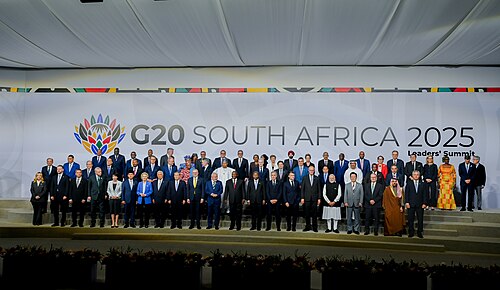
G20 trade chiefs denounce food-trade coercion but fail to agree on overcapacity and forced labour
Meeting in Milwaukee, G20 trade ministers agreed to denounce the weaponisation of food through coercive trade actions — but could not reach consensus on denouncing forced labour in supply chains or on structural excess industrial capacity, US Trade Representative Jamieson Greer said.
· 1 min read
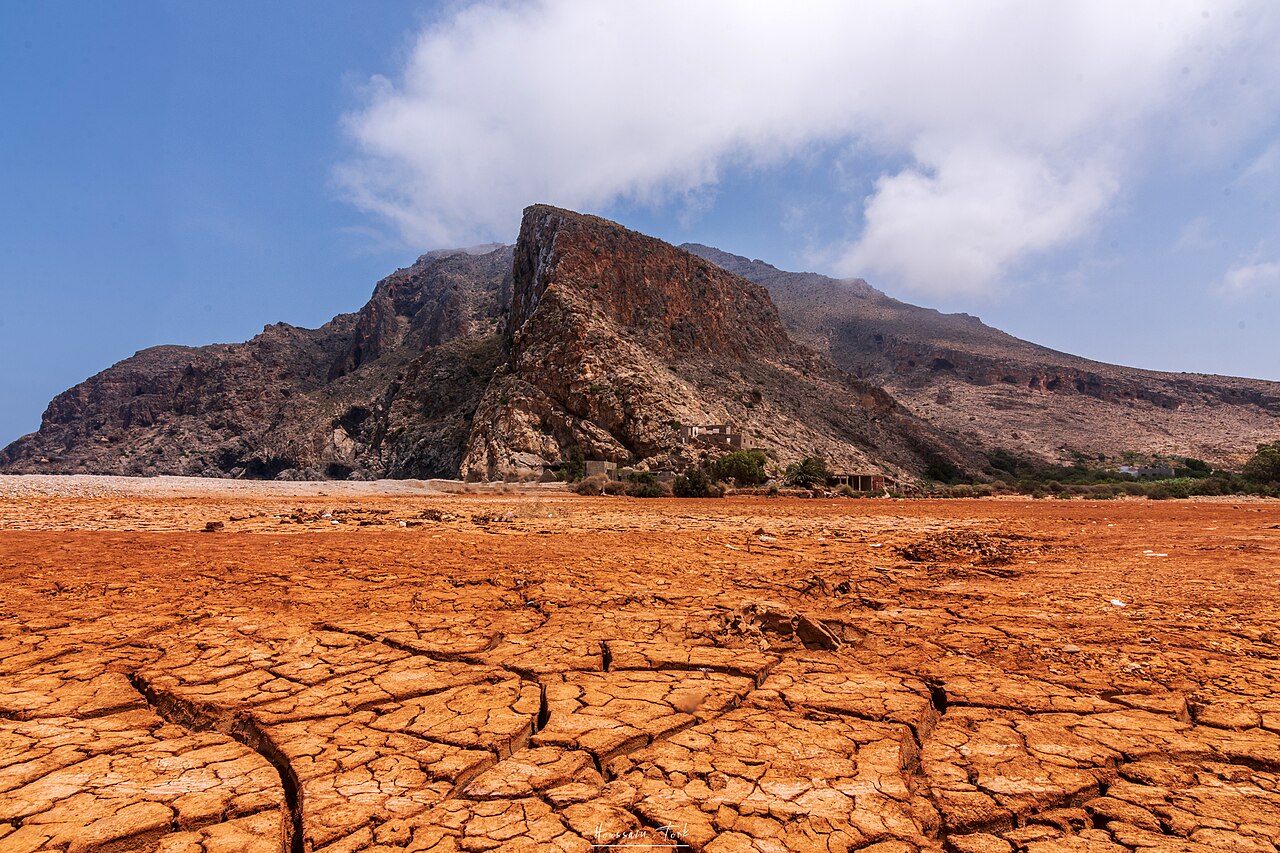
A domino of distress: UNDP warns overlapping crises are battering developing countries
Rising energy costs, the strongest El Nino since 1950 and soaring borrowing costs are pushing developing countries toward the kind of distress last seen in the pandemic, the UNDP chief said on Friday — warning of a domino effect across some 100 countries.
· 2 min read