'Running for their lives': 200,000 flee Yemen fighting as hunger closes in
More than 200,000 people have fled renewed fighting in Yemen since early September, the UN migration agency says, with three in four families in parts of the country going hungry and thousands escaping by sea to Djibouti.

More than 200,000 people have been displaced from their homes since fighting in Yemen intensified in recent weeks, according to data released on Wednesday by the United Nations' International Organization for Migration. The figure has surged from 76,000 in mid-September, with nearly all of the displaced fleeing since fighting began in early September between the Houthi movement and Saudi-backed government forces. 'People are running for their lives and finding nowhere safe to go,' said IOM Director General Amy Pope, calling for more funding for food and shelter.
The renewed conflict is the most serious escalation since a UN-brokered truce largely halted cross-border attacks in 2022. The Houthis, who control most of northern Yemen including the capital Sanaa, seized the country's entire Red Sea coast last month from forces of the internationally recognised government based in Aden. People have been displaced across ten governorates, with Taiz the hardest hit. More than 3,700 people have also fled by sea to Djibouti, a crossing that underlines how few safe options remain on land.
Humanitarian agencies warn that displacement is compounding an already extreme food crisis. On Friday the UN World Food Programme said three in four families in parts of Yemen were going hungry from the 'absolutely devastating' impact of the surge in fighting. In Marib, an IOM assessment found families sleeping in the open, exposed to violence and airstrikes, with women and girls raising the shortage of appropriate latrines. Around 45 per cent of assessed households had been displaced before and had lost assets and livelihoods, leaving them at risk of harmful coping strategies including child labour.
The agency is providing emergency shelter, household items, cash, clean water, sanitation and protection services, but warns that further displacement is possible in the coming days. Casualty reporting from the front lines remains a minimum estimate, hampered by communication blackouts and protection risks. For families who have now fled more than once, the immediate need is not a political settlement on paper but a safe place to sleep, water that is clean, and food that arrives before hunger does the work of the war.
Sources
Share this story
Related articles
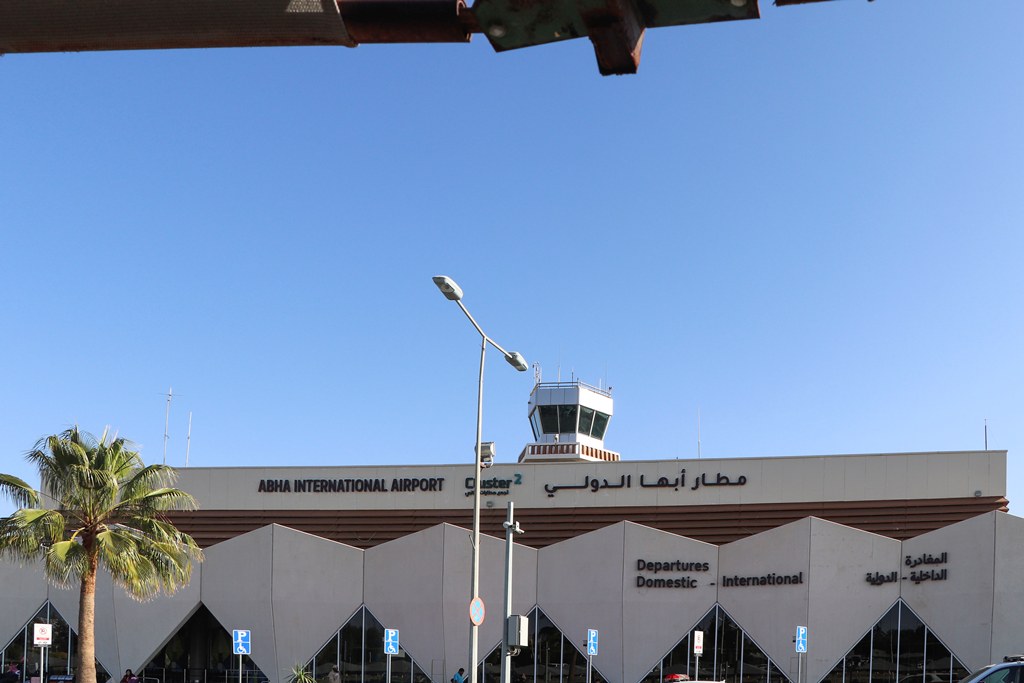
Three foreign nationals dead as airport attacks widen the Saudi-Yemen war
Saudi Arabia says a Moroccan and an Algerian woman were killed in Abha and a Sudanese national in Riyadh, as Houthi missile and drone attacks on airports widen the Yemen war.
· 2 min read

'Not a privilege': Liege students march as fees rise and classrooms crowd
Hundreds of students marched in Liege on Wednesday over a tuition rise to 1,194 euros and a 500 million euro savings plan, with local media reporting 107 arrests in recent days.
· 2 min read

'Draining': Coco Gauff, a disputed point and two days of racist abuse
Winning a tennis match cost Coco Gauff two days of racist messages. She called the abuse 'insane' and 'draining', then lost in Beijing on Wednesday. The incident asks hard questions of a sport that markets her visibility but cannot protect it.
· 2 min read
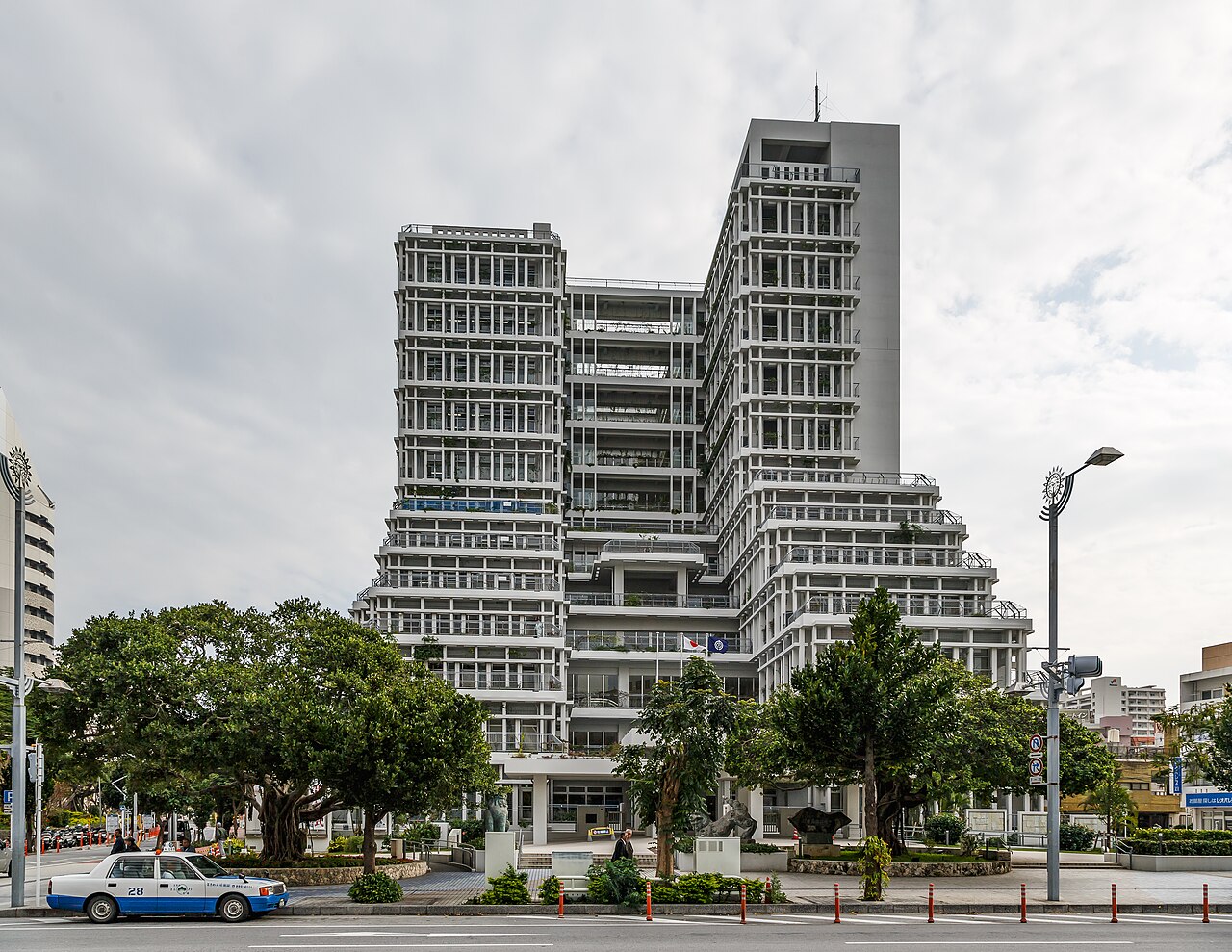
A woman dead in Naha, a governor's protest: Okinawa asks whether discipline is working at all
Okinawa's governor has demanded changes to the rules governing US forces after a Marine was arrested on suspicion of killing a 39-year-old woman in Naha. Japan's prime minister condemned the alleged crime, and residents took to the streets. The suspect denies the allegations.
· 2 min read