Tamil Nadu's first booth-less toll plaza goes live at Paranur
Gantries with RFID readers, radar and number-plate cameras have replaced manned booths on the Chennai–Tiruchi highway. About 46,500 vehicles a day use the plaza; FASTag vehicles pass without stopping, while others get challans.

The Paranur toll plaza on the Chennai–Tiruchi National Highway has become Tamil Nadu's first booth-less facility, with a multi-lane free-flow (MLFF) system switching on from Wednesday night, the National Highways Authority of India (NHAI) told The Hindu.
Instead of queues at manned cabins, tall gantries now carry RFID readers, radar scanners, audit cameras and a FASTag-linked automatic number-plate recognition system. Tags are read a little ahead of the old plaza point, so vehicles with a valid FASTag — or exempt tags for judges, collectors, MPs and MLAs — can pass without stopping.
How enforcement works
Drivers without a FASTag, or with too little balance, will be issued challans rather than stopped at a booth. NHAI sources said the design is meant to cut congestion and speed the roughly 46,500 vehicles that use Paranur each day — one of the busier plazas on the corridor that feeds pilgrim towns, industrial clusters around Chengalpattu and the road south towards Tiruchi and Madurai.
Officials expect the biggest immediate benefit during the festive season, when traffic south from Chennai typically surges. Free-flow tolling has already been rolled out on selected national highway stretches elsewhere in India; Paranur is the State's first such plaza, and a test case for whether gantry-based enforcement can replace the familiar stop-and-go booth culture.
What travellers should check
Commuters are being advised to keep FASTag balances topped up and to ensure the tag is correctly affixed and linked to the vehicle registration. Exempt category users should carry the documentation their tag requires. Anyone who disputes a challan will need to use the usual NHAI and FASTag issuer grievance channels once notices arrive — a process that can take days, so drivers who regularly use the corridor have an incentive to get the tag right before the festival rush.
Transport unions and fleet operators will watch two numbers: average delay at Paranur compared with the old booth layout, and the share of challans issued for insufficient balance versus missing tags. If challans spike without a matching drop in travel time, pressure will grow for more customer education — or for temporary help desks near the gantries.
The Justice will track whether average travel times between Chennai and Tiruchi improve over the coming festive weeks, and whether other Tamil Nadu plazas on NH corridors are next in NHAI's MLFF queue.
Sources
Related articles
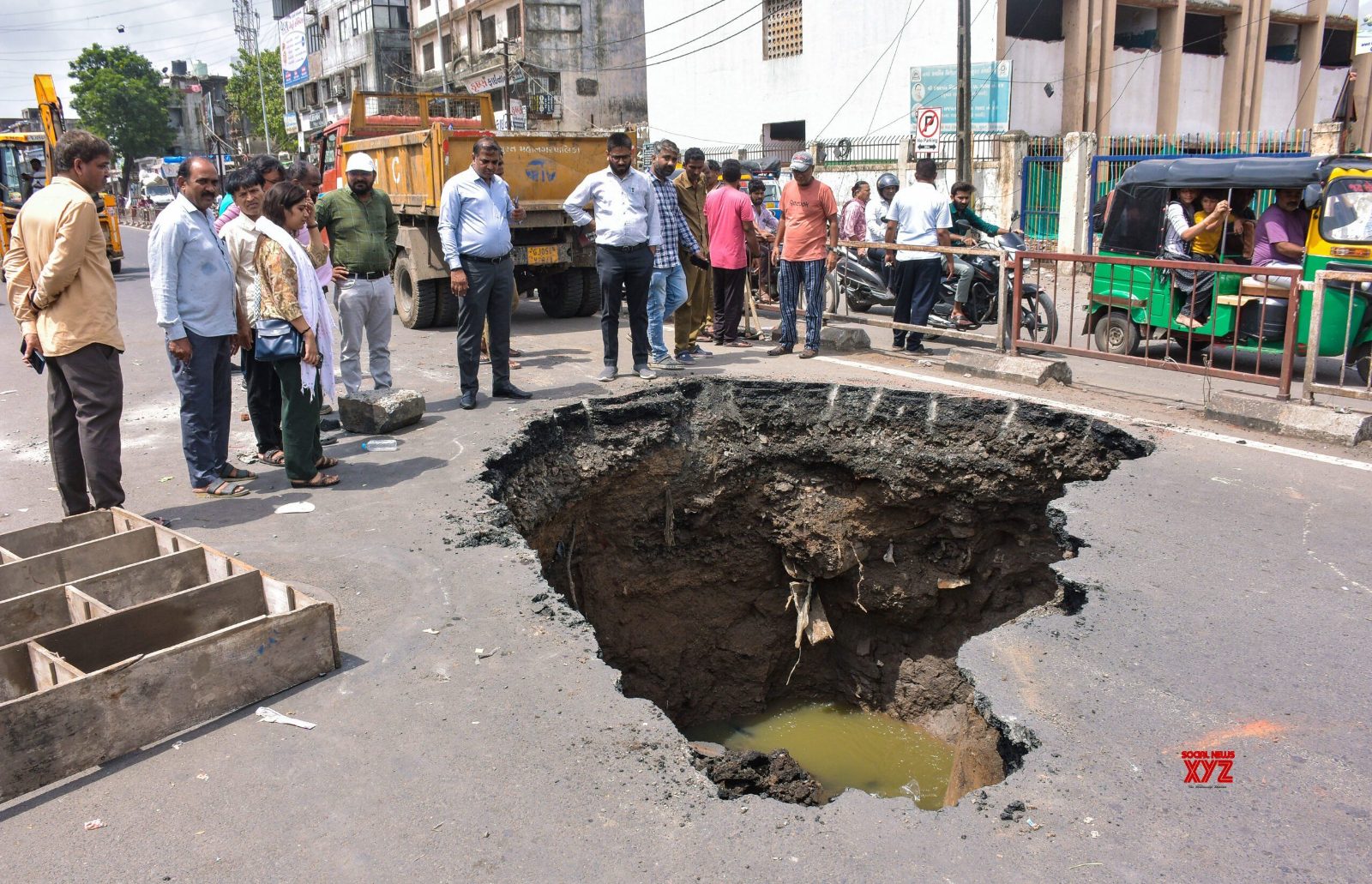
Another 20-foot crater: Perambur Barracks Road cave-in puts TVK government's civic record on trial
A 20-foot-deep crater opened on Perambur Barracks Road on September 30, damaging a sewer line — the second collapse on the road in weeks. As north Chennai's 50-year-old sewer network gives way, the cave-in sharpens questions about the TVK government's delivery on its infrastructure promises.
· 1 min read
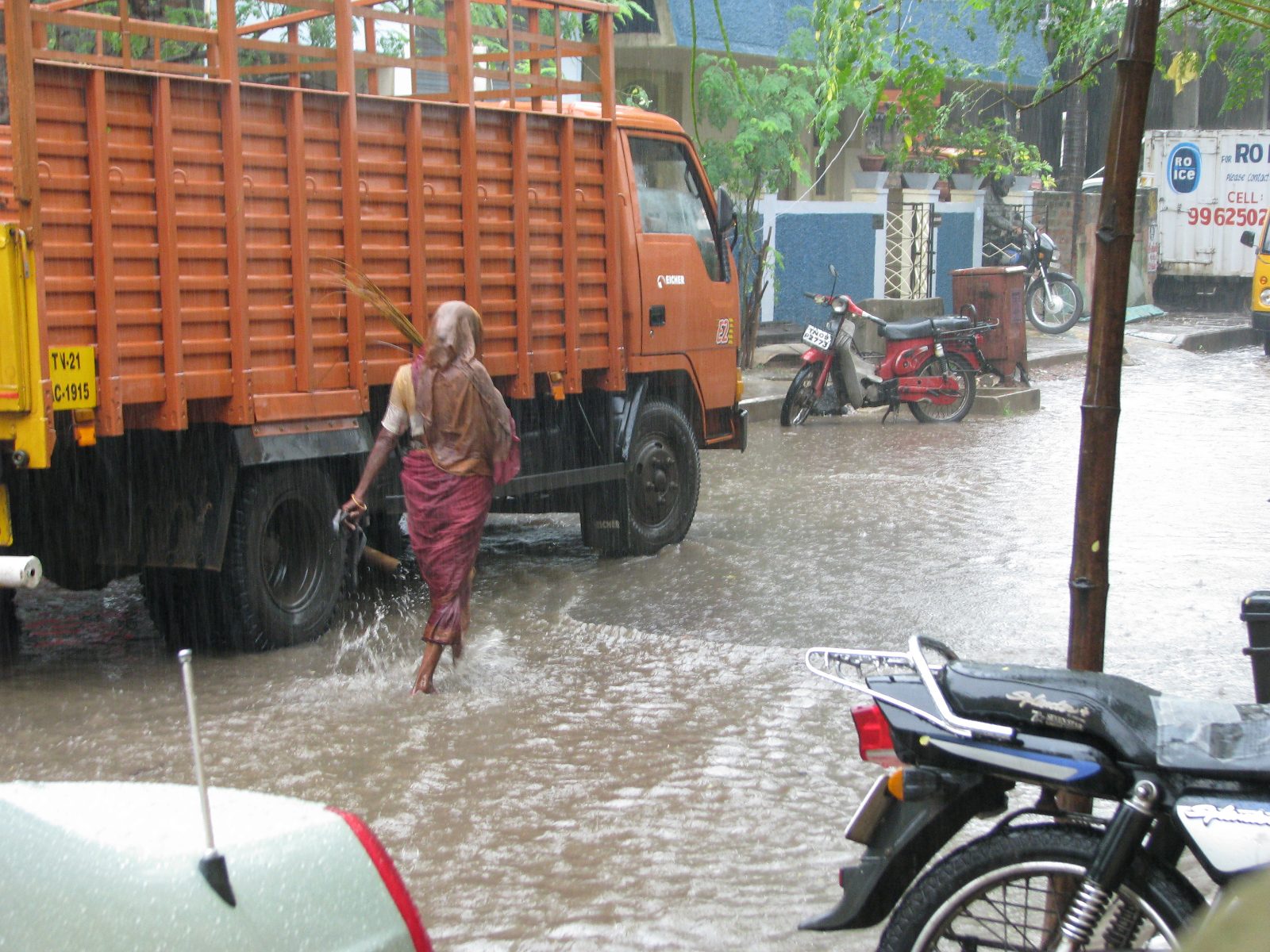
Heavy rain till October 3: IMD sounds yellow alert across Tamil Nadu, Chennai braces for more
The India Meteorological Department has sounded a yellow alert across Tamil Nadu, warning of heavy rain with thunder, lightning and 50 km/h gusts in the Nilgiris, Coimbatore and Erode till October 3; Chennai is already seeing waterlogging and traffic snarls.
· 1 min read
No bail for Veeramani's alleged aides: Chennai POCSO court cites pending forensics, flight risk
Chennai's Special POCSO Court has rejected the bail pleas of Shanti, 60, and her husband Mahendra Simhan, 63, arrested alongside Gem Granites proprietor R. Veeramani in the alleged child-abuse case. The court cited pending forensic examination of seized devices, flight risk and the risk of witness intimidation.
· 2 min read
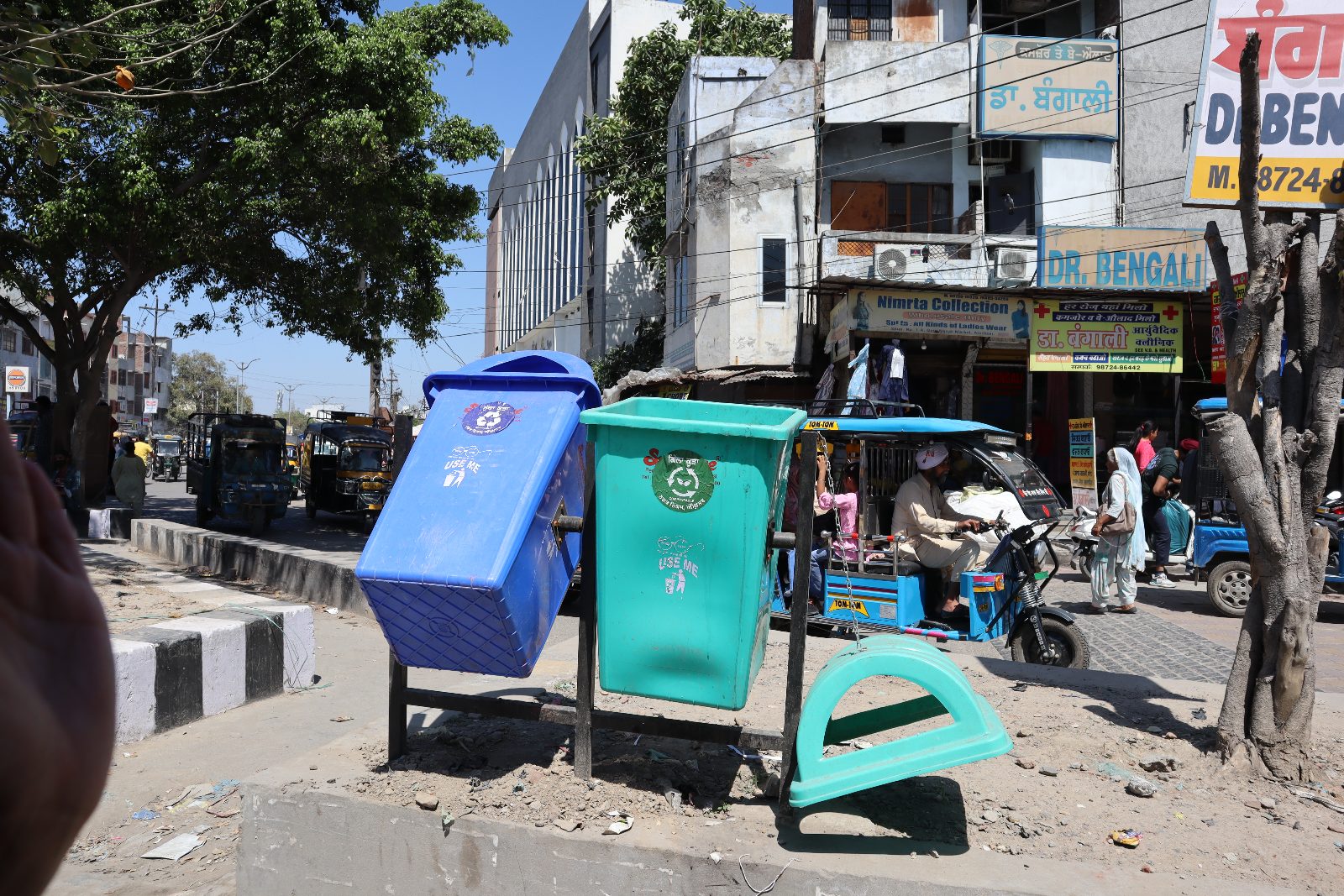
The bin is not the story: Chennai's segregation drive must begin with the dignity of its workers
Chennai's resumed 40-day segregation campaign shows households will sort their waste when given the tools — compliance jumped from 35% to 64%. But bins do not empty themselves. The campaign's real test is whether it honours the sanitation workers who carry its weight.
· 2 min read