Karnataka flags up to 52x markup on high-cost drugs, writes to Centre as raids continue
Karnataka's drug regulator found hospitals billing patients 10 to 52 times the procurement cost of cancer drugs, antibiotics and consumables. Health Minister U.T. Khader has written to the Centre with an 11-point demand for price regulation; verification raids continue.
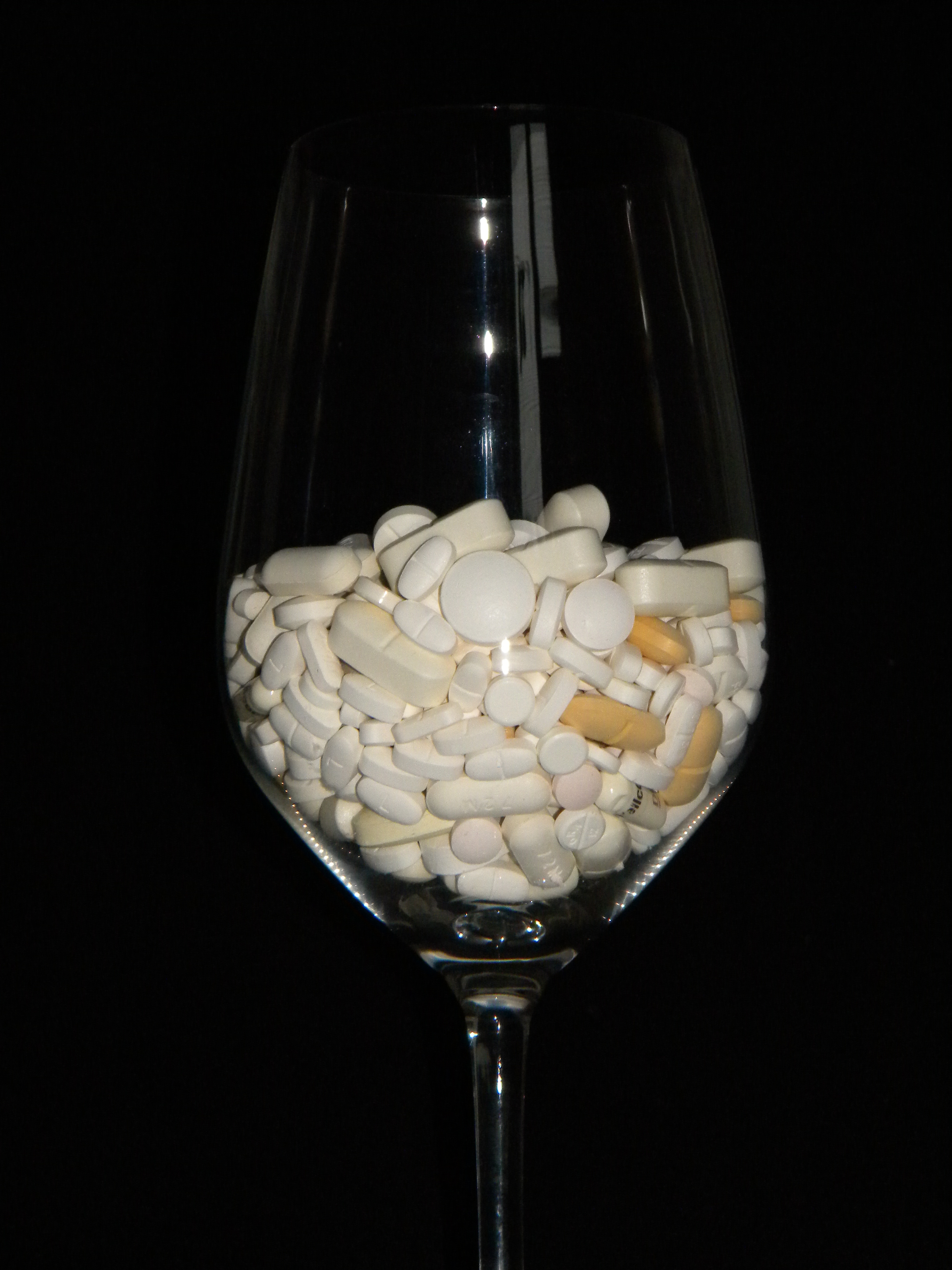
Hospitals across Karnataka have been billing patients up to 52 times the actual procurement cost of high-value medicines and consumables, the state’s Food Safety and Drug Administration (FSDA) has found — prompting the government to write to the Centre seeking price regulation and to continue its raids. Health and Family Welfare Minister U. T. Khader, in a letter dated September 23, flagged the gap between institutional landing costs and maximum retail prices (MRP) to the Union Health Minister and the National Pharmaceutical Pricing Authority (NPPA).
The FSDA’s investigations found pharmaceutical companies supplying medicines to hospitals at heavily discounted institutional prices while patients were billed at or near the printed MRP — markups ranging from 10 times to over 52 times the procurement cost. Extreme pricing anomalies were found in 253 drugs.
The numbers are stark. Gufipol, made by Criticare: landing cost ₹86, MRP ₹4,528 — a 52.6-times markup, or 5,165%. Guficycline-50 injection: ₹160 to ₹7,110 (44.4 times). Terlitis: ₹118 to ₹4,416 (37.4 times). Cancer drugs: Cytax 100 mg at ₹342 landing cost billed at ₹3,836 MRP (11.2 times); Taxocare 120 mg ₹1,000 to ₹21,617 (21.6 times); Canmab 440 mg ₹6,600 to ₹57,457 (8.7 times); Bevatas 400 mg injection ₹5,850 to ₹62,690 (10.7 times). Even basic consumables: an adult nebuliser mask costing ₹44.50 billed at ₹950 (21.3 times); an IV set at ₹14.75 billed at ₹295 (20 times); an IV cannula at ₹33.21 billed at ₹548 (16.5 times).
Karnataka’s 11-point letter demands mandatory display of both landing cost and MRP on patient bills; expansion of drugs under price control through the Drug Price Control Order; regulation of trade margins on essential high-value medicines and consumables; an inter-ministerial expert group; a national data study; amendments to the DPCO, 2013; rationalisation of trade margins; expansion of the National List of Essential Medicines; and an audit and enforcement mechanism.
The enforcement drive continues. A special verification drive on September 25 and 26 covered wholesale premises, hospitals and establishments in Bengaluru and district headquarters — more than 768 consumable items and 189 high-cost drugs — with preliminary findings showing “substantial differences” between landing cost, MRP and actual sale price. The FSDA said the exercise will continue in phases; the next phase will target antiretroviral drugs, higher-generation and critical antibiotics, medical devices and hospital consumables “with substantial financial implications for patients”.
The findings expose a supply chain in which the sickest pay the most: cancer patients billed eleven times the procurement cost of their drugs, while hospitals pocket the spread between discounted institutional rates and the MRP. Karnataka’s letter puts the ball in the Centre’s court — price control, the state argues, cannot be left to hospital billing desks.
Sources
Share this story
Related articles
Denied a venue, they came anyway: Gen Z-led voter-roll protest grips Mumbai's Shivaji Park
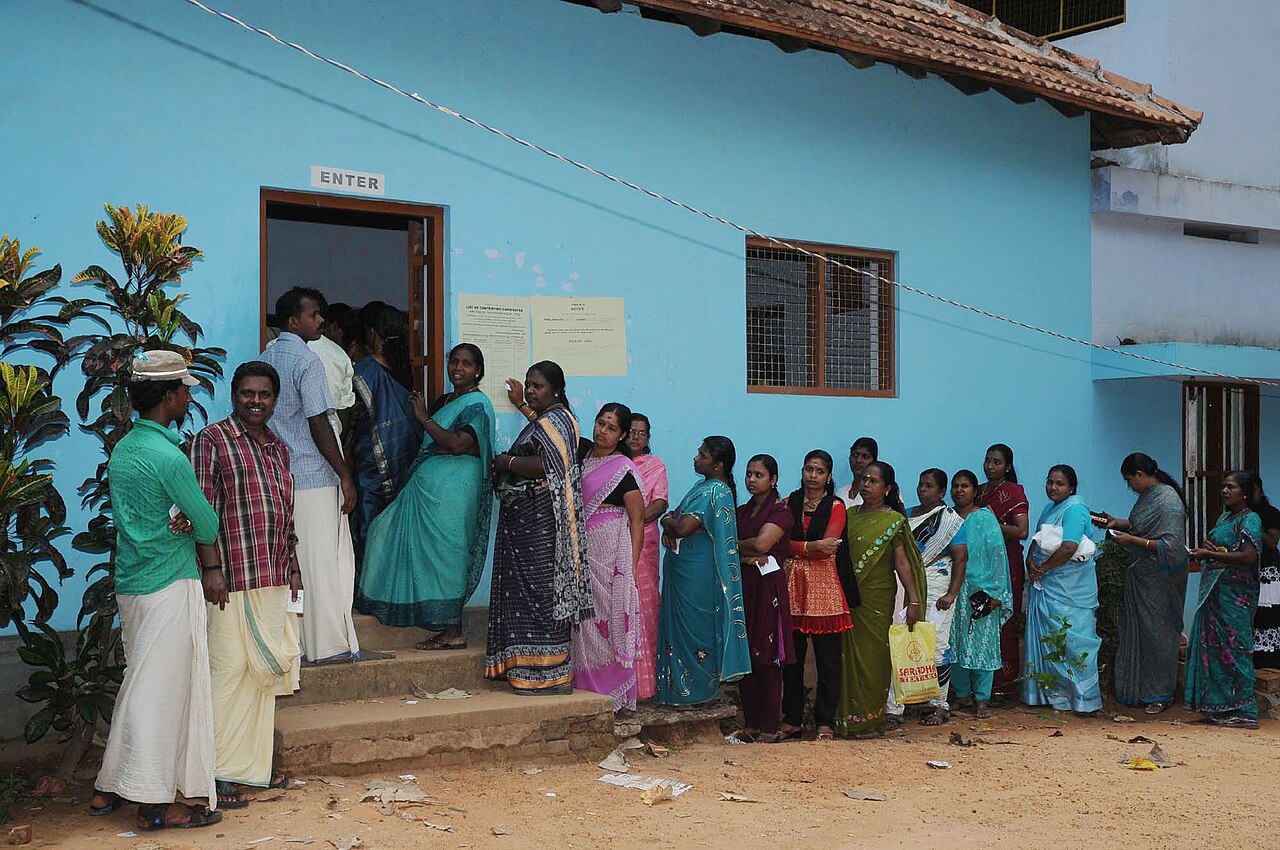
The Gen Z-led Cockroach Janata Party took its demand for Chief Election Commissioner Gyanesh Kumar's resignation to Mumbai's Shivaji Park on Gandhi Jayanti, hours after police denied permission for the venue. With actors Naseeruddin Shah, Shabana Azmi and Vishal Dadlani joining protesters and a 'Jail Bharo' agitation announced, the row over the Special Intensive Revision of voter rolls has moved from newspaper revelations to the streets.
· 2 min read

ED arrests two in ₹1,417-crore 'export profits' fraud that trapped nearly 36,000 investors
The Enforcement Directorate has arrested S. Naveen Kumar and S. Muthuselvam in an alleged ₹1,417.86-crore fraud run through Unique Exports, which promised 35,759 investors high returns from agricultural exports it never substantially carried out. A special PMLA court has remanded both to 15 days' judicial custody.
· 2 min read

Mamata Banerjee: INDIA bloc is united and will "move forward collectively"
A day after the opposition announced a joint agitation over the SIR exercise, the TMC chairperson said the bloc was "like a family", dismissed talk of individual decisions, and reached out to leaders from Kejriwal and Nitish Kumar to M K Stalin.
· 1 min read
Modi's India takes on Trump more openly, from 'terrorism' to tariffs
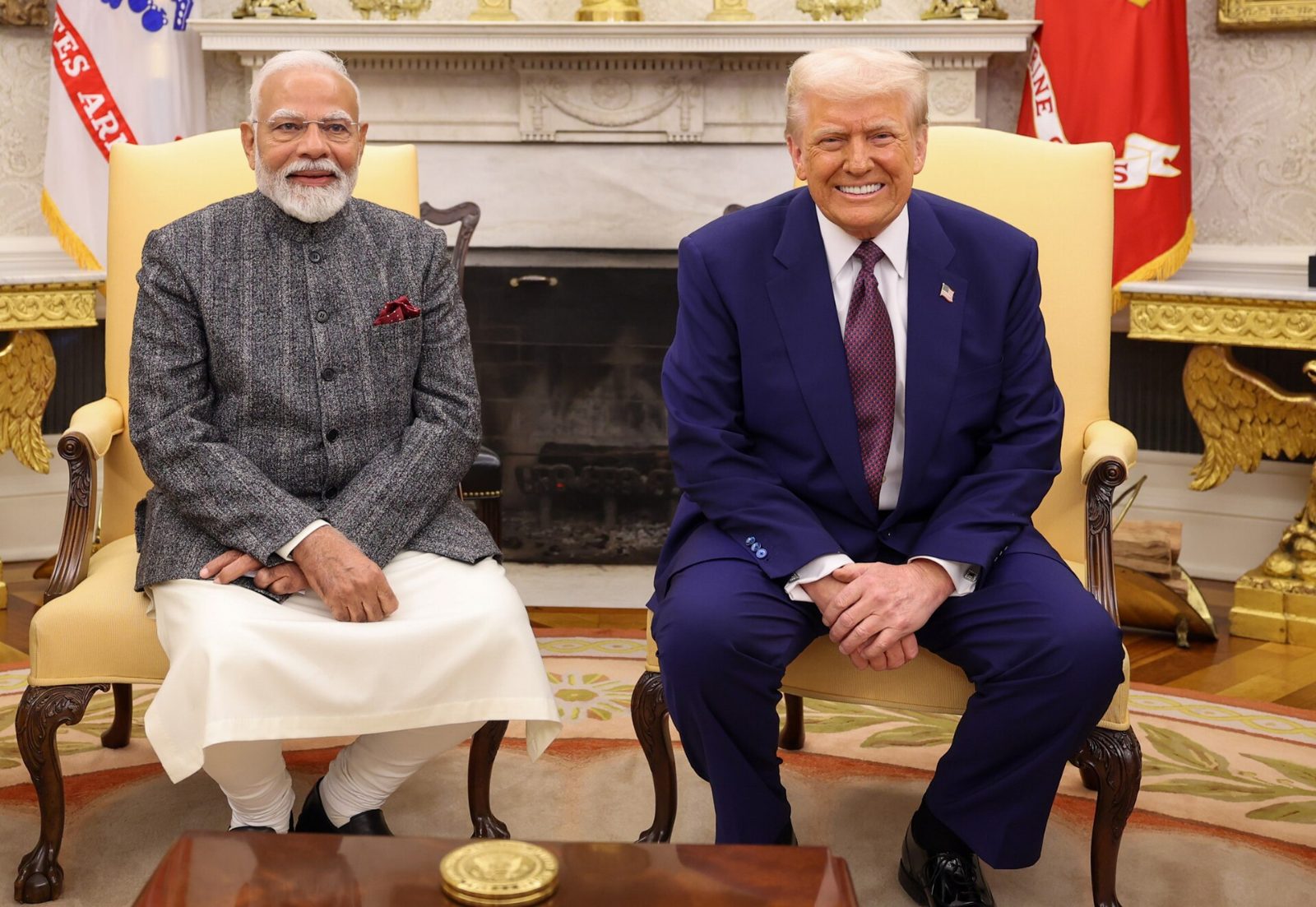
External Affairs Minister S. Jaishankar has called the US an "insensitive partner" on terrorism, accused it of warming to Pakistan and pursuing "self-centred" trade policies — a new blunt edge in New Delhi's dealings with the Trump administration.
· 2 min read