Israel's election panel bars Arab parties, then a leader quits the race under court pressure
Israel's Central Elections Committee voted to bar the two main Arab-led lists from the October 27 election. The Supreme Court overturned most of the bans on Friday, but Balad leader Sami Abu Shehadeh withdrew his candidacy to avert what his lawyers called a dangerous precedent.
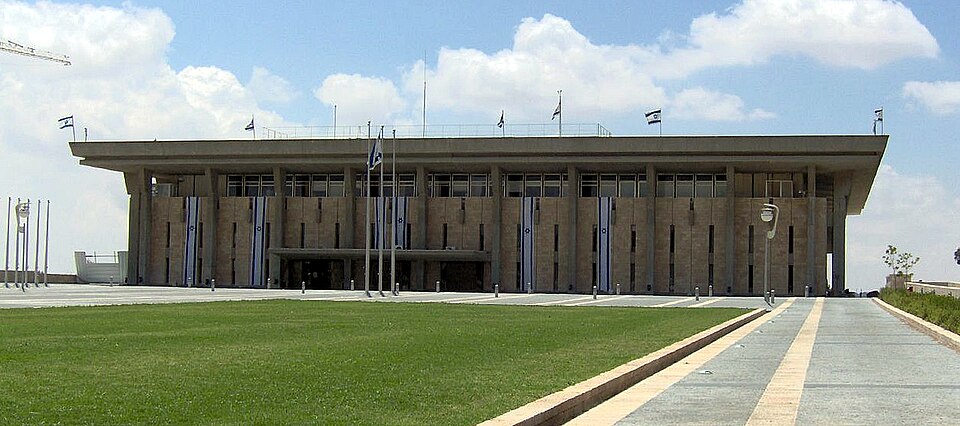
Palestinians in Israel are asking whether they will get a fair say in the October 27 parliamentary election - after the country's Central Elections Committee voted late last month to bar the two main Arab-led lists from running.
The committee, by 18 votes to 5, disqualified the Joint List - an alliance of Hadash, Balad and Ta'al - and Ra'am, the United Arab List, following petitions from Likud and the far-right Otzma Yehudit accusing them of denying Israel's Jewish and democratic character. It also barred Ofer Cassif, a Jewish lawmaker from the Arab-Jewish Hadash party, and Sami Abu Shehadeh, the leader of the Palestinian nationalist Balad party.
On Friday the Supreme Court overturned the bans on Cassif and the four parties. Shehadeh, however, withdrew his own candidacy - his lawyers at the Adalah legal centre said the move was to avert a 'dangerous legal precedent' after the court signalled it might uphold his disqualification over a single sentence in an October 2023 article.
'In the Jewish state, there are two different laws for citizens according to their identity,' Shehadeh told Reuters, pointing out that the same committee refused to disqualify far-right ministers - some under international sanctions - who advocate the displacement of Palestinians.
Palestinian citizens make up about a fifth of Israel's population and hold 10 seats in the 120-member Knesset. Attorney General Gali Baharav-Miara had opposed the disqualifications, arguing the evidence did not meet the legal threshold. Had the bans stood, a fifth of the electorate would have lost its principal parliamentary voice weeks before polling day.
Sources
Share this story
Related articles
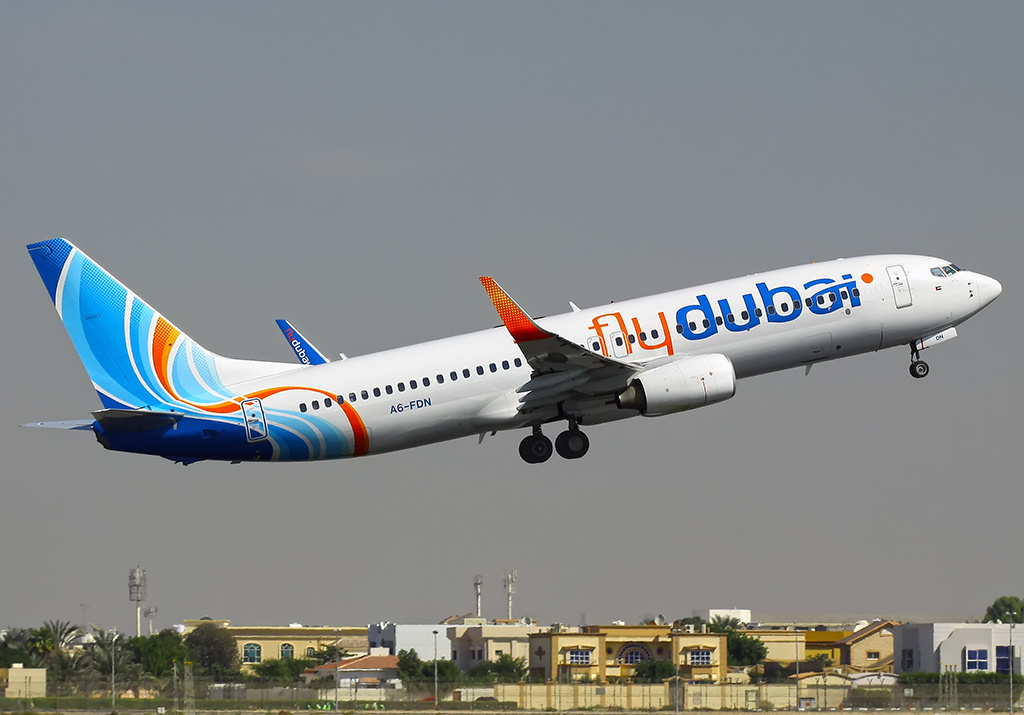
Flydubai survivors reach Israel as Riyadh declines Israeli rescue flight
All FZ1073 passengers have left Saudi Arabia for Israel after the cockpit attack that diverted their Dubai–Tel Aviv flight; Riyadh turned down an Israeli rescue flight, and Netanyahu ordered tighter airline security.
· 2 min read

'Brother, I am with you': Banco Master scandal engulfs both camps as Brazil votes on Sunday
Two days before Brazil's election, the Banco Master fraud has engulfed both camps: documents tie frontrunner Flávio Bolsonaro to $12M in banker funds for a family biopic, while a police report links Justice Moraes to the banker's circle. Dead-heat polls; an October 25 runoff looks certain.
· 2 min read
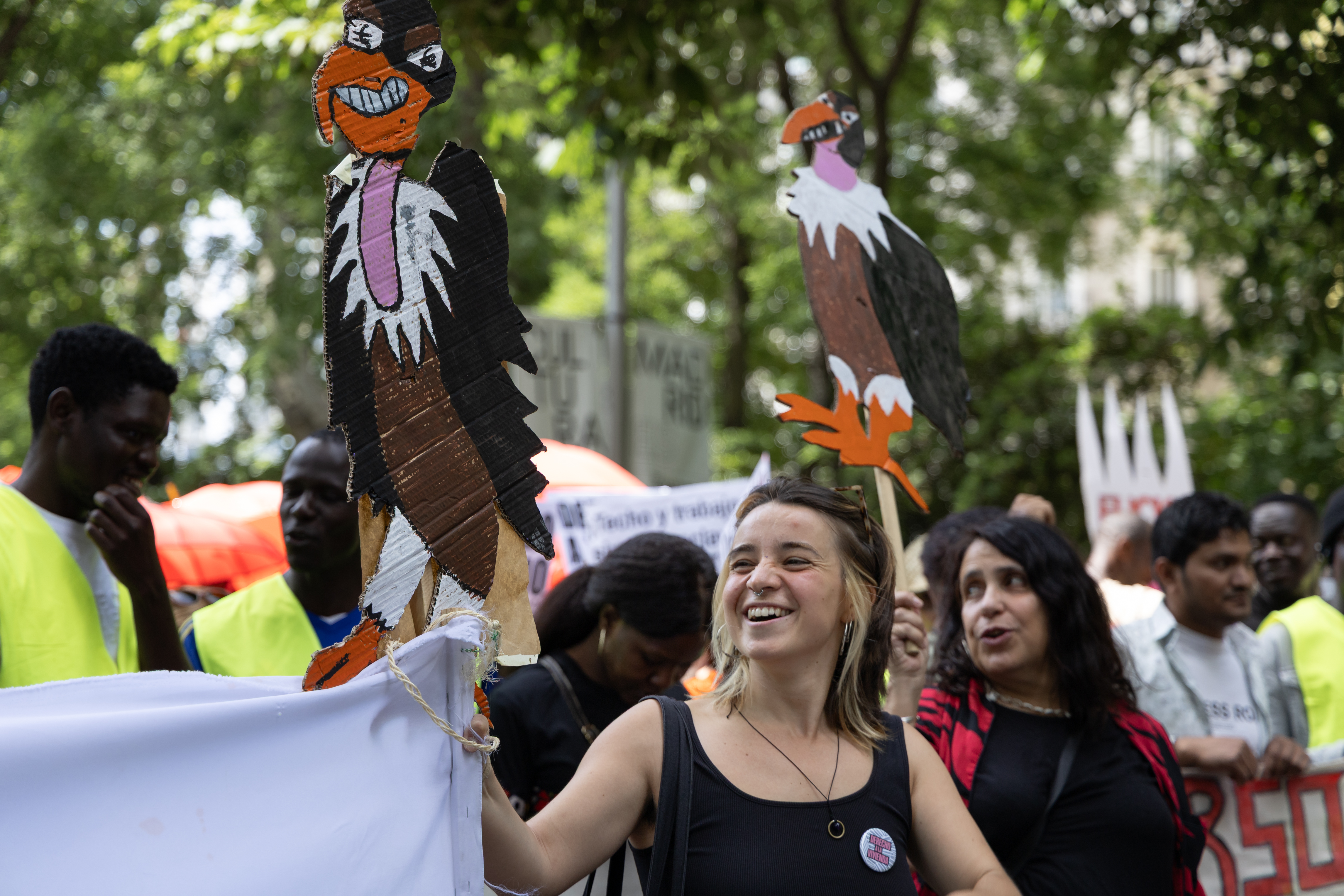
Spain's parliament torpedoes housing decrees as renters march on Madrid and demand a general strike
Both emergency decrees fell in the 350-seat Congress — 178-172 and 184-166 — after the Catalan separatist Junts joined the right in voting no. Outside, protesters jeered the vote and the tenants' union called for a general strike.
· 12 min read

Embassy closed, ties severed: Ethiopia and Eritrea edge the Horn of Africa toward wider war
Ethiopia closed its embassy in Asmara and expelled 10 Eritrean diplomats; Eritrea severed all ties in return, as Ethiopian forces neared the Tigray capital Mekelle in the worst escalation since the 2020–22 civil war.
· 2 min read