Two weeks without water: Israel's barrier is starving a West Bank village of 300
Ras al-Ahmar's 300 residents say a two-week Israeli siege around the 'Crimson Thread' barrier has cut their water, feed and medical care. With 15,000 livestock at risk, villagers accuse Israel of trying to force them off their land before the October 27 election.
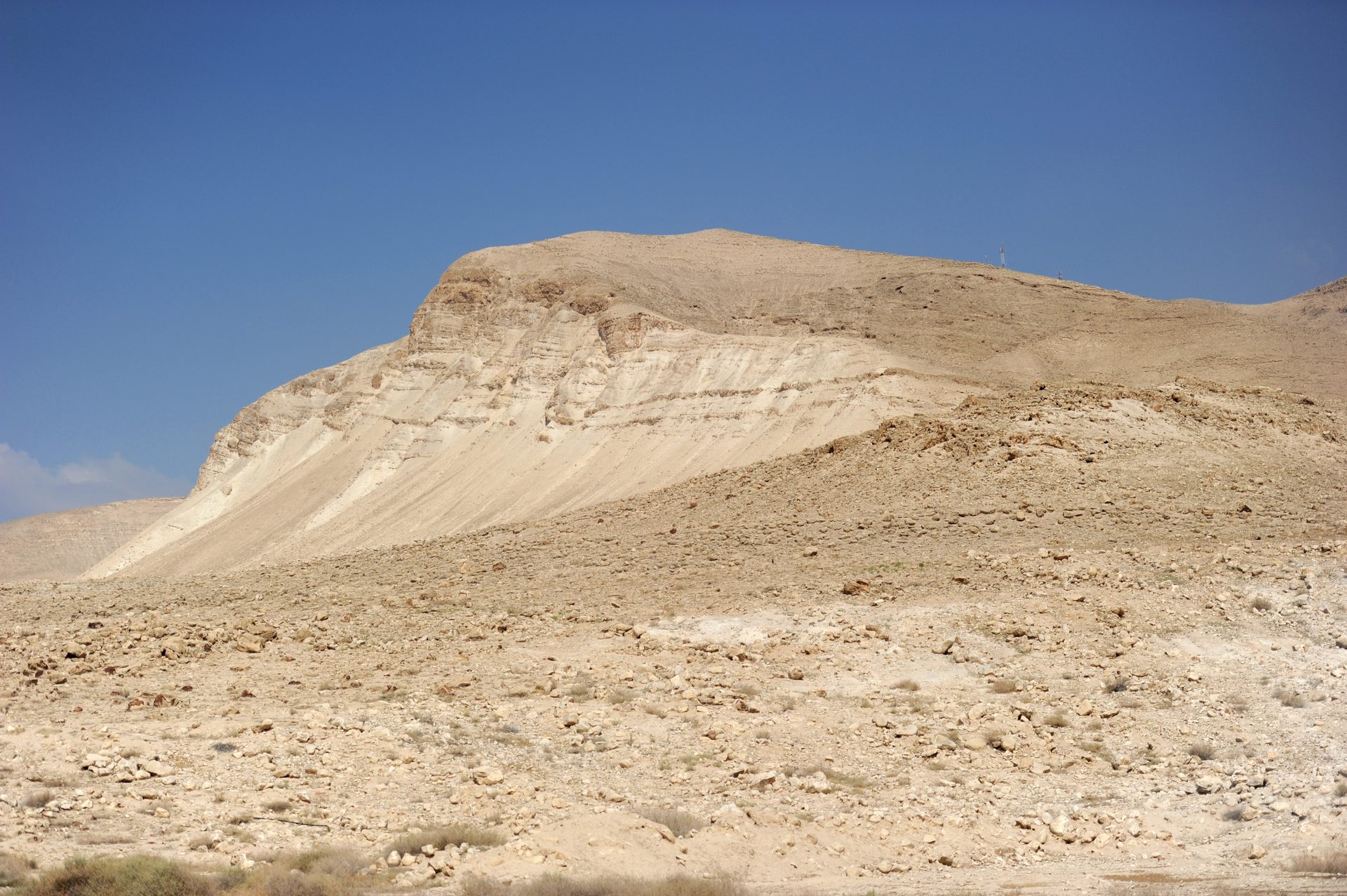
For two weeks, the 300 residents of Ras al-Ahmar — a Bedouin herding village in the northern Jordan Valley of the occupied West Bank — have lived under siege. Israeli forces building a military barrier through their land have sealed the access points the village used to bring in water, animal feed and medicine. For three days this week, residents say, not a drop of water entered the community.
The barrier, which Israel calls "Crimson Thread" and describes as a security measure, runs roughly 20 kilometres through the valley with a width of up to 50 metres, carving through grazing land the villagers have used since the 1970s. Around 50 families in Ras al-Ahmar live off livestock; one resident told Al Jazeera he alone tends 15,000 head and fears they will perish. "The situation is dire. We are completely besieged, and the livestock cannot survive without water and food for this long," he said.
Road closures have forced villagers to move at night, hauling water, fodder and milk by donkey under cover of darkness to avoid soldiers and settlers. Medical care — already thin — is now nearly unreachable, a particular danger for the village's elderly; disease is spreading among the livestock, especially newborn animals, and veterinary teams cannot get in. Residents say settler attacks — livestock theft, beatings, vandalised homes — have intensified since February in what they describe as a campaign to drive them off the land.
The siege tightened sharply in mid-September, when Israeli forces dug a trench across the village's last remaining access route and levelled land for a military patrol road, demolishing groundwater wells, greenhouses and irrigation networks along the way, according to WAFA, the Palestinian news agency. About 360,000 dunams once served as grazing land; residents say 90 per cent has now been seized or placed off-limits.
All of this is unfolding weeks before Israel's October 27 election, in which the far right campaigns on permanent control of the West Bank. Ras al-Ahmar's 300 people are not a security threat; they are herders being throttled street by street, well by well, until leaving looks like a choice. A barrier that starves livestock and seals the sick inside their village is not defending a border — it is redrawing one, by force, around whoever is too poor and too Palestinian to stop it.
Sources
Share this story
Related articles
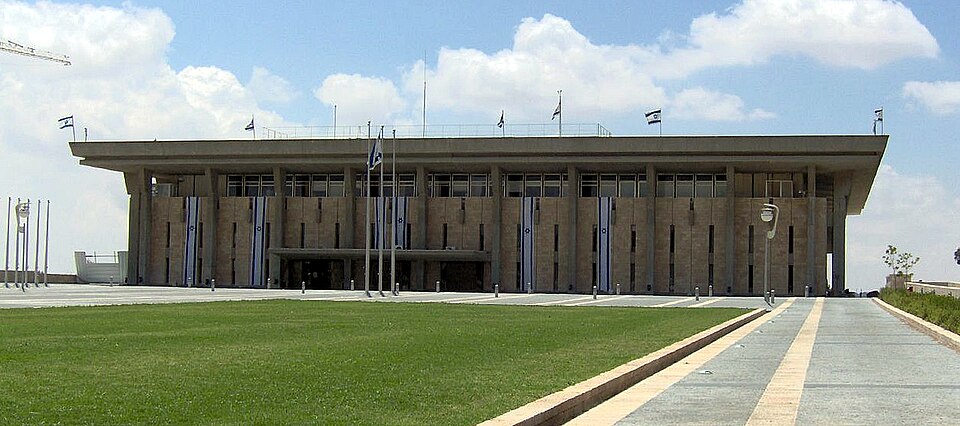
Israel's election panel bars Arab parties, then a leader quits the race under court pressure
Israel's Central Elections Committee voted to bar the two main Arab-led lists from the October 27 election. The Supreme Court overturned most of the bans on Friday, but Balad leader Sami Abu Shehadeh withdrew his candidacy to avert what his lawyers called a dangerous precedent.
· 1 min read
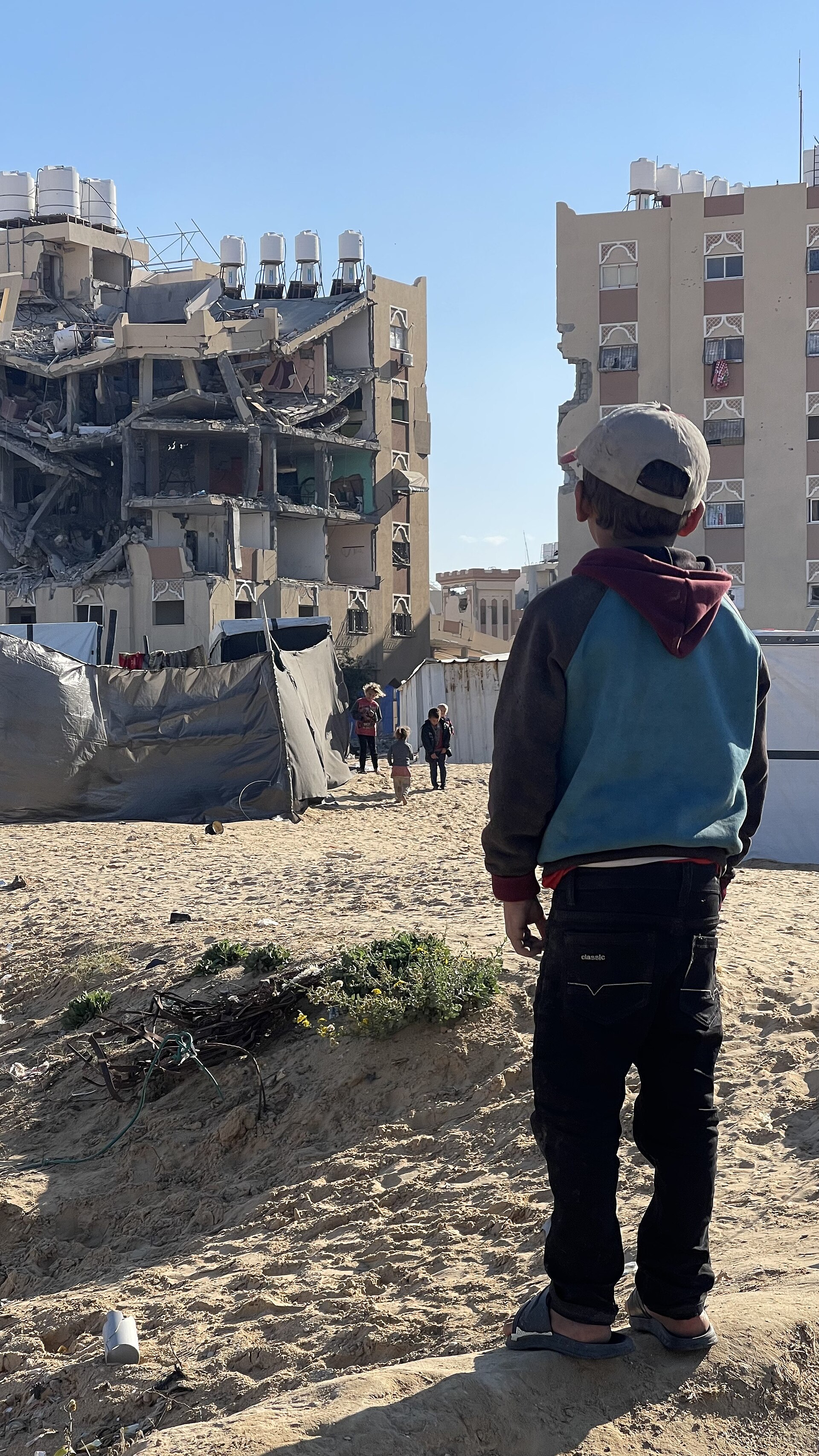
Israel could have ended the Gaza war a year earlier and freed the captives, says its own ex-negotiator
Retired Maj. Gen. Nitzan Alon, who led Israel's hostage coordination for two years, says the government repeatedly chose partial deals to keep the war going — and that about 40 captives who were taken alive died in captivity.
· 2 min read

Bleeding on the cockpit floor, he reached for the door: Indian captain tells Modi how he thwarted the Flydubai attack
Captain Smit Machchhar, recovering in an Abu Dhabi hospital, told Prime Minister Narendra Modi how he fought off a stabbing attack by his co-pilot on flight FZ1073 and opened the cockpit door while the jet plunged thousands of feet — letting the crew overpower the attacker and two reserve pilots divert to Saudi Arabia.
· 2 min read
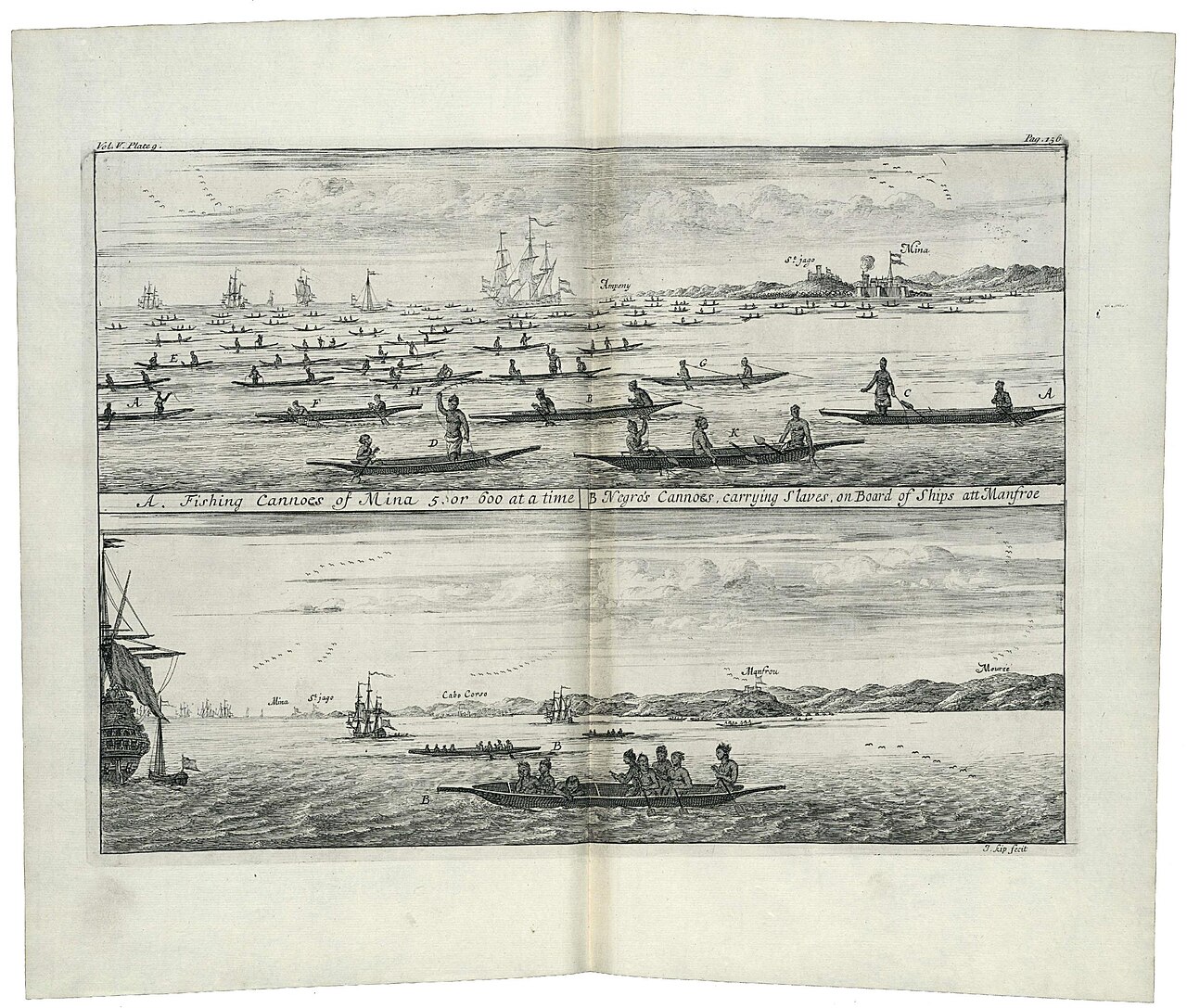
'Wholehearted, without any real reservations': Dutch study says the House of Orange kept the slave trade alive
A three-year study commissioned by King Willem-Alexander concludes that the House of Orange-Nassau was 'wholeheartedly' involved in colonial exploitation and shares responsibility for the survival of the Dutch slave trade over centuries — a finding that could reignite the reparations debate in the Netherlands.
· 2 min read