Israel could have ended the Gaza war a year earlier and freed the captives, says its own ex-negotiator
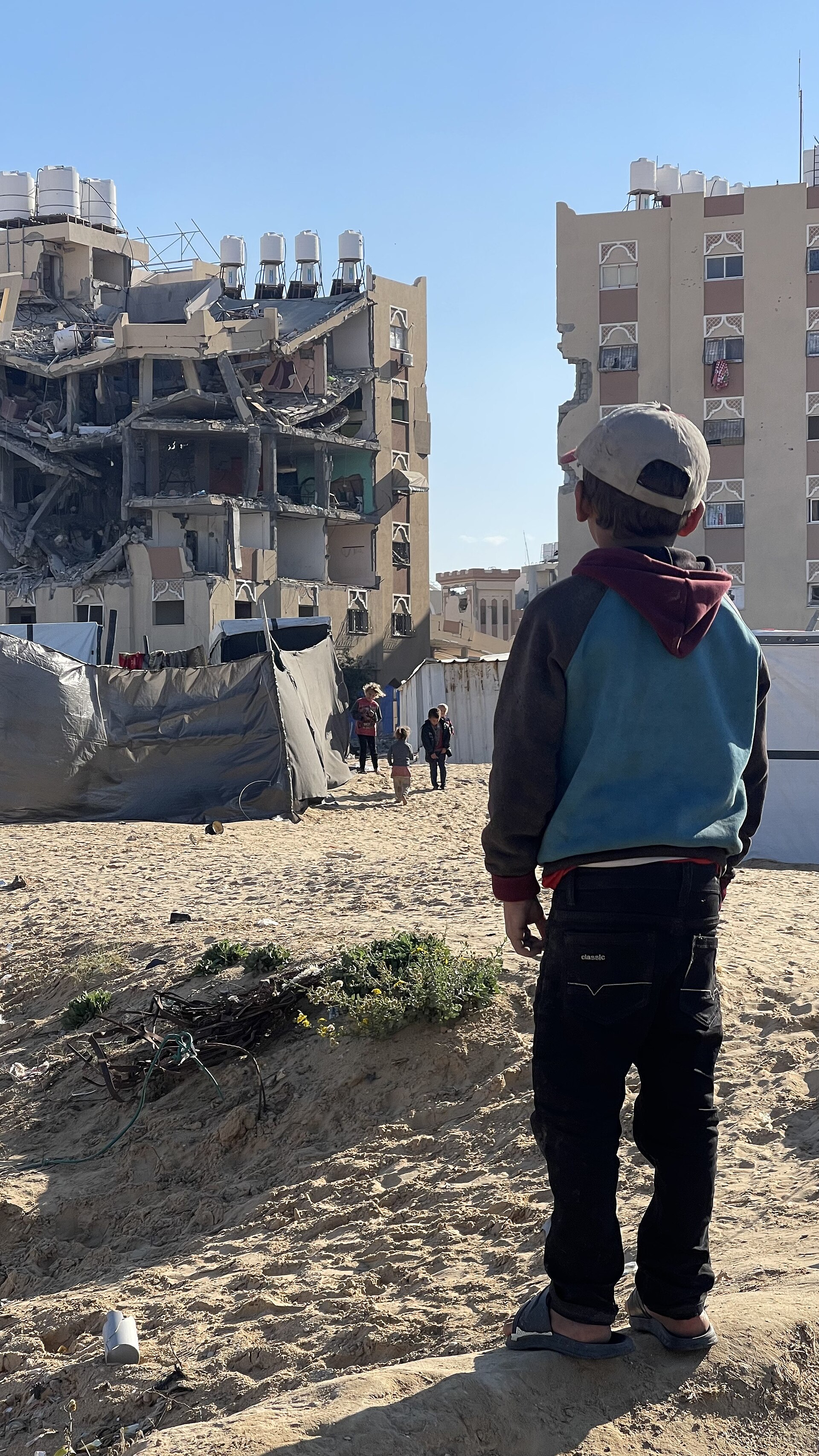
Retired Maj. Gen. Nitzan Alon, who led Israel's hostage coordination for two years, says the government repeatedly chose partial deals to keep the war going — and that about 40 captives who were taken alive died in captivity.
Sources
Share this story
Related articles

Two weeks without water: Israel's barrier is starving a West Bank village of 300
Ras al-Ahmar's 300 residents say a two-week Israeli siege around the 'Crimson Thread' barrier has cut their water, feed and medical care. With 15,000 livestock at risk, villagers accuse Israel of trying to force them off their land before the October 27 election.
· 2 min read
Israel's election panel bars Arab parties, then a leader quits the race under court pressure
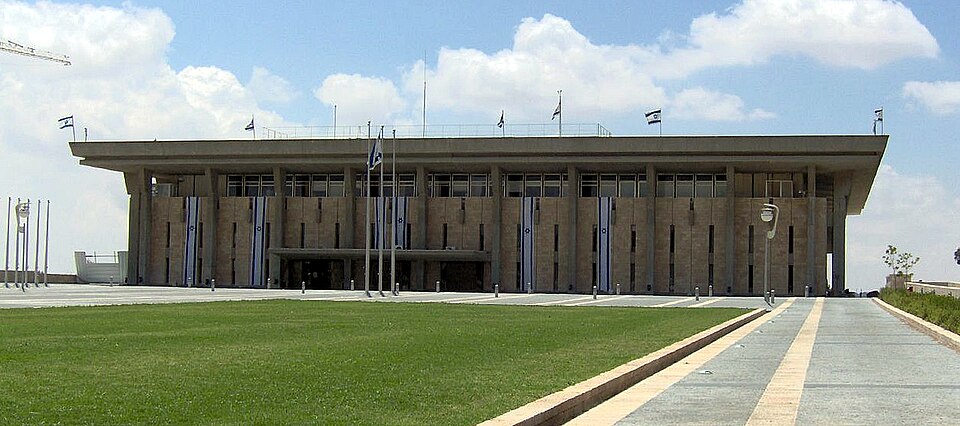
Israel's Central Elections Committee voted to bar the two main Arab-led lists from the October 27 election. The Supreme Court overturned most of the bans on Friday, but Balad leader Sami Abu Shehadeh withdrew his candidacy to avert what his lawyers called a dangerous precedent.
· 1 min read

Could the Ethiopia conflict engulf the region? Addis Ababa points fingers at three neighbours
Ethiopia's army chief has accused Eritrea, Sudan and Egypt of backing the armed alliance fighting federal forces in the north, without offering evidence. All three deny the charges as renewed fighting strains the 2022 Pretoria peace deal and raises fears of a wider regional war.
· 2 min read

'Brother, I am with you': Banco Master scandal engulfs both camps as Brazil votes on Sunday
Two days before Brazil's election, the Banco Master fraud has engulfed both camps: documents tie frontrunner Flávio Bolsonaro to $12M in banker funds for a family biopic, while a police report links Justice Moraes to the banker's circle. Dead-heat polls; an October 25 runoff looks certain.
· 2 min read