G20 trade chiefs denounce food-trade coercion but fail to agree on overcapacity and forced labour
Meeting in Milwaukee, G20 trade ministers agreed to denounce the weaponisation of food through coercive trade actions — but could not reach consensus on denouncing forced labour in supply chains or on structural excess industrial capacity, US Trade Representative Jamieson Greer said.
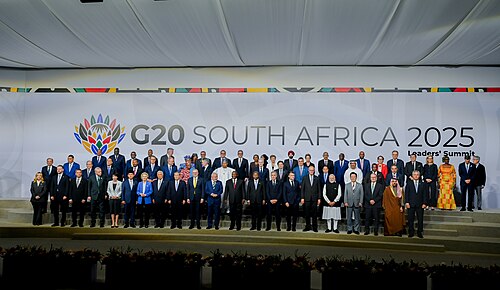
G20 trade ministers agreed on Thursday to denounce the weaponisation of food through coercive trade actions, but failed to reach consensus on statements denouncing forced labour in supply chains and on addressing structural excess industrial capacity, US Trade Representative Jamieson Greer said after their meeting in Milwaukee.
Mr. Greer told a news conference that many of the ministers had expressed concerns about excess industrial capacity, particularly in China, that is flooding their markets with cheap exports. "Nearly all countries agree that this is an issue that requires action, and nearly all countries agree that our current system of trade remedies or responses is inadequate to solve this problem," he said — which, he added, is why the United States has taken unilateral tariff action to protect its industries.
China had objected to a similar G20 statement denouncing forced labour and non-market economic policies at a finance leaders' meeting a month ago in Asheville, North Carolina, Mr. Greer said.
The ministers also discussed a US proposal for sweeping reform of the Most Favoured Nation system of published, unconditional tariff rates that has underpinned global trade since the end of World War Two. Mr. Greer described it as a new topic for the G20 — past discussions on MFN tariffs have taken place within the World Trade Organisation — and said the US had not proposed a joint statement on it because it was a longer-term conversation that was important to start.
"In the United States, we will continue to have discussions on this topic with like-minded trading partners well beyond Milwaukee," he said.
Sources
Related articles
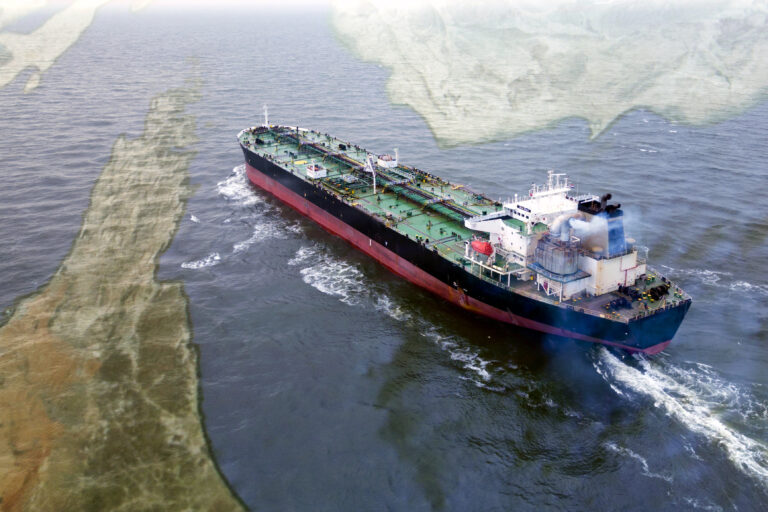
A third US carrier, a rejected roadmap and a war-weary America: the war on Iran grinds into its eighth month
Iran offered to reopen the Strait of Hormuz within seven days in exchange for an end to the US naval blockade, sanctions relief and the release of $12bn in frozen assets. Trump rejected it. As a third US aircraft carrier heads for the Gulf, nearly 70% of Americans say the war is not worth fighting.
· 2 min read

Sixth arrest in RAF Fairford probe as UK PM says Iran played a "part" in suspected plot
A British-Iranian man was arrested in London on Thursday over a suspected terror plot near the US-used airbase, after the Prime Minister said there were "strong indications" of Iranian involvement. Tehran denies any role.
· 2 min read
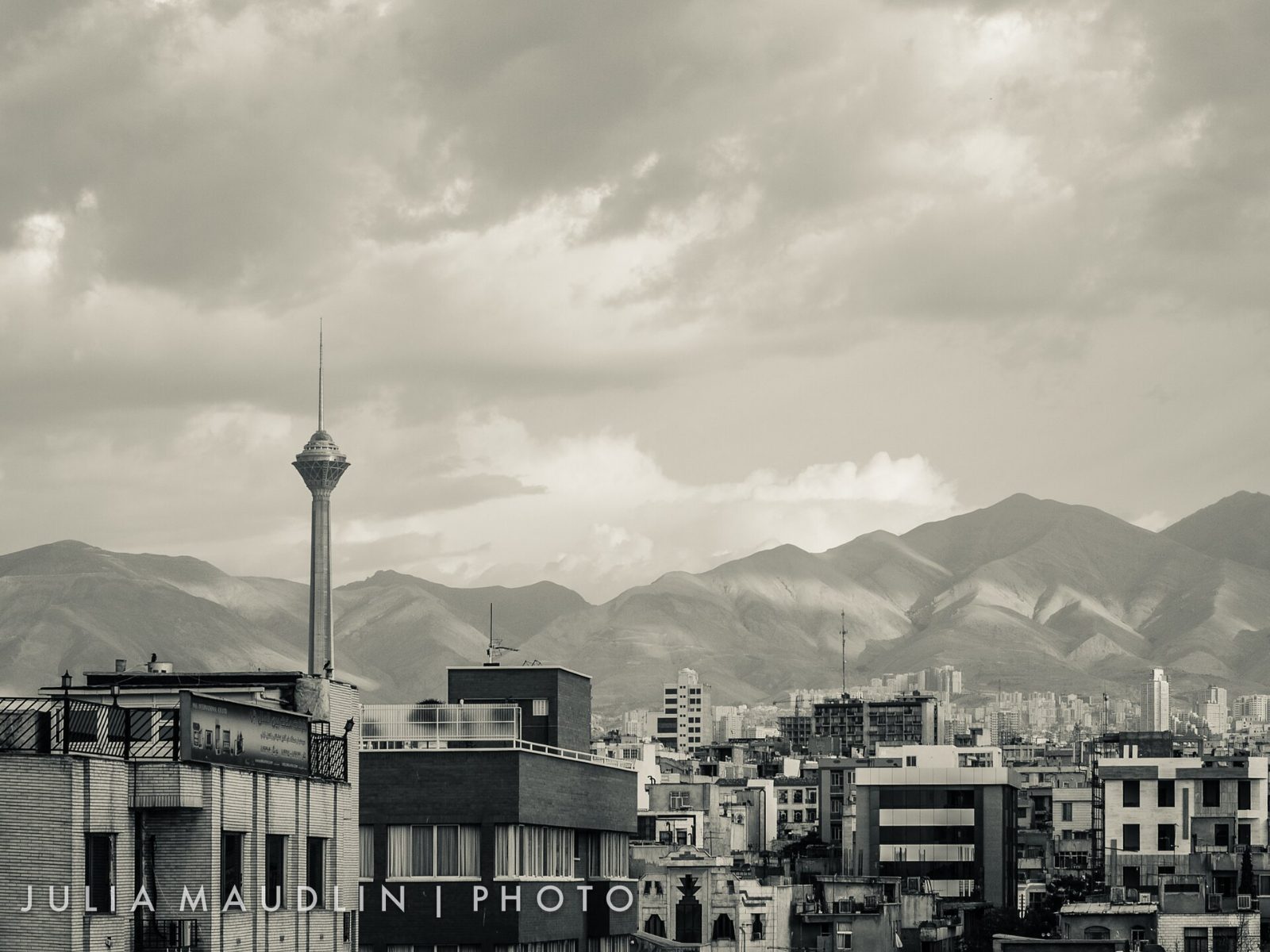
Iran tells Americans Trump's war has failed as rial sinks to record low
Iran's Revolutionary Guard urged the US public to protest Trump's "warmongering" weeks before the midterms, as the rial crashed past 2.5 million to the dollar and Washington imposed fresh sanctions on 10 entities.
· 2 min read
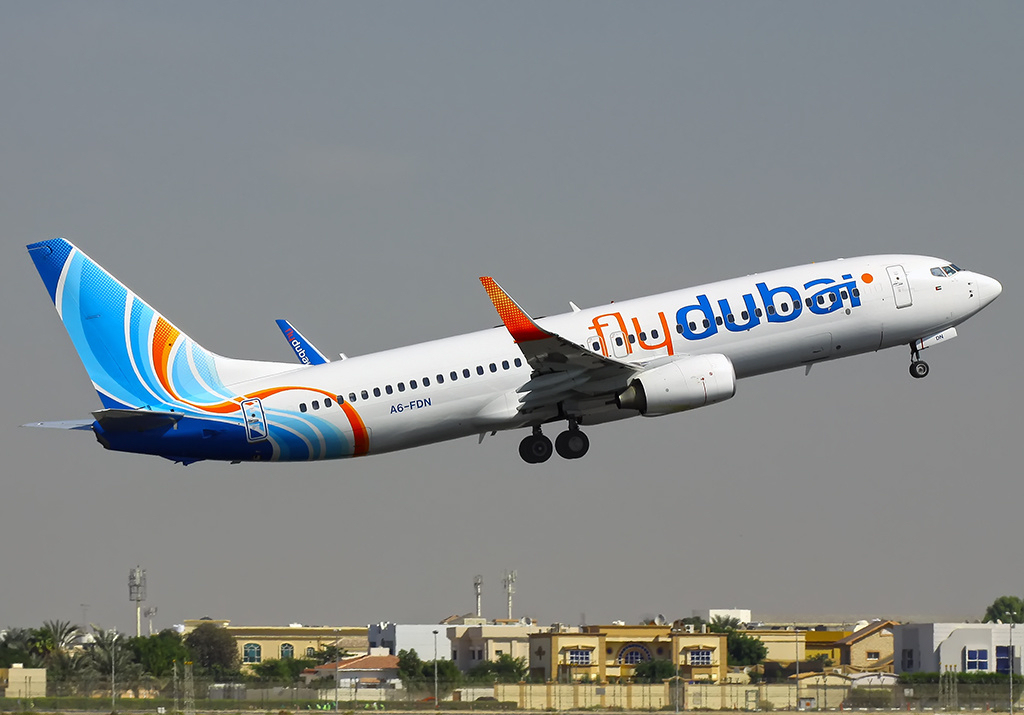
Co-pilot stabbed captain and tried to crash flydubai flight, says Netanyahu; 174 lives saved by passengers
Israeli Prime Minister Benjamin Netanyahu has said the co-pilot of flydubai flight FZ1073 stabbed the captain and "tried to crash the plane" with 174 people aboard, crediting the Indian captain Smit Machchhar and passengers who stormed the cockpit with averting disaster. The co-pilot has been arrested in Saudi Arabia.
· 2 min read