Crushing early out of fear: Shetti says an ED shadow hangs over Maharashtra's sugar mills
Farmers' leader Raju Shetti says Maharashtra sugar mill owners plan to start crushing early under fear of an ED probe. With the season set for October 15 and early cane yielding less sugar, farmers want Rs 500 per tonne to cover a loss mills and governments have not agreed to pay.
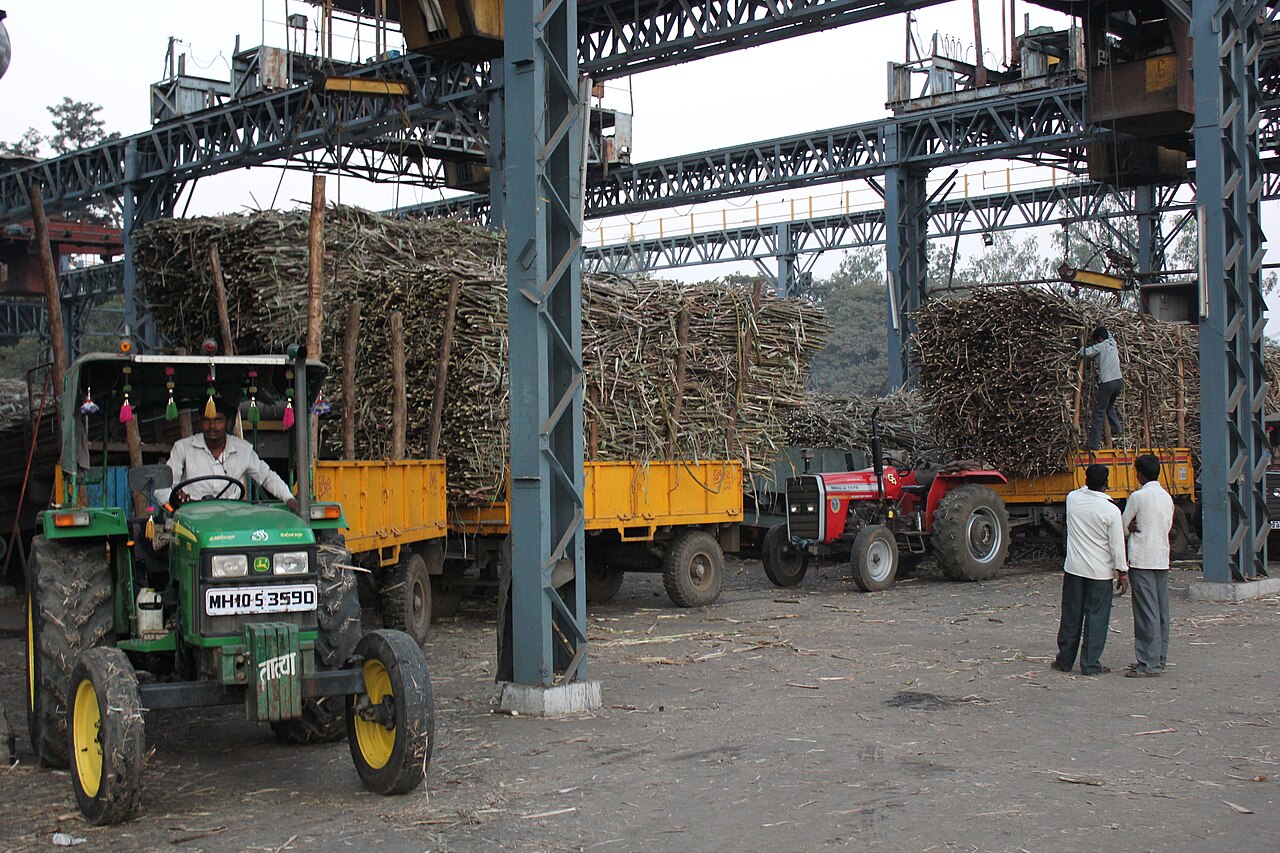
SUGAR mill owners in Maharashtra are preparing to start crushing early, and farmers' leader Raju Shetti says the hurry has little to do with cane. Shetti says owners want mills running under the shadow of an Enforcement Directorate probe, a claim that turns the opening of a crushing season into a question about fear: whose fear, and who pays for it.
The calendar is the dispute. Maharashtra's 2026-27 season is set to begin on October 15, in line with the Centre's direction. Shetti's Swabhimani Shetkari Sanghatana has opposed the date for weeks, arguing that cane cut in October is lighter and yields less sugar. Recovery in the first weeks is generally around 8 to 9 percent and improves as winter deepens after mid-December. If half the crop or more is crushed in the low-recovery window, the loss lands in the Fair and Remunerative Price the farmer is paid the following year. Shetti has demanded a subsidy of at least Rs 500 per tonne if the state insists on the early start, and has warned of an agitation to stop mills that open without it.
The ED claim sits on top of an older, documented grievance. Shetti has repeatedly alleged that mills report cane dues as cleared while large FRP arrears remain, demanded factory-wise inquiries, and sought interest on instalments paid late over past seasons. Whether or not an investigation is the reason for this season's timing, the structure of the bargain is familiar: mills decide when cane is cut, governments decide what a tonne is worth, and the farmer discovers the result after the crop has left the field.
That is why an early start cannot be treated as a technical scheduling choice. Cane is not a warehouse stock that can be held until terms improve. Once harvesting begins, weight lost and recovery lost cannot be recovered by a press release. If mills benefit from opening under scrutiny, or despite it, the farmer still needs a price that reflects what early crushing takes away. A dated season without a compensated price is not a compromise. It is a transfer.
The state and the Centre now have a narrow choice to make in public. They can defend October 15 with numbers: expected recovery, expected loss per tonne, and the subsidy that covers it. Or they can admit that the date serves mill balance sheets and official convenience first. Shetti's agitation threat will test that choice in the districts where cane, credit and mill politics meet. The farmer watching a harvester enter an October field will not need a probe report to know who was asked to go first.
Sources
Share this story
Related articles

Papers leaked, trust broken: High Court tells Maharashtra to win back MPSC aspirants
The Bombay High Court said students agitating over MPSC lapses cannot be called anti-nationals and asked Maharashtra to restore their trust, as a confirmed paper leak forced a judicial probe and exam delays.
· 2 min read

'Development cannot cost farmers their land': Tikait warns Bihar over satellite township push
Farmer leader Rakesh Tikait has warned Bihar that development which costs farmers their land, livelihood and social security cannot be accepted, as coordinated protests build against twelve planned satellite townships.
· 2 min read

'Protests will continue': Rahul Gandhi detained as the CEC resignation row heads to Thursday
Rahul Gandhi says protests will continue until Chief Election Commissioner Gyanesh Kumar resigns over SIR voter deletions. The DMK, after questioning his silence on Tamil Nadu, defended his protest.
· 2 min read
Opinion: A township drawn on a map can still erase the people who feed it
Bihar's satellite townships promise planned cities. But when land pooling decides a farmer's future before the farmer is heard, development becomes a polite word for dispossession.
· 2 min read