'Not doing well', 'under siege': Cornell rape accuser hunted online as New York governor admits the system failed her
The lawyer for Jane Doe, the former Cornell University student who alleges she was drugged and gang-raped at a fraternity in 2024, told CNN she is 'not doing well' and feels 'under siege' as online mobs try to uncover her identity. New York's governor has admitted the system 'failed' her, appointed the attorney general as special prosecutor after losing faith in the local district attorney, and vowed to close a legal loophole that makes prosecution nearly impossible when the victim was intoxicated.

Sources
Share this story
Related articles
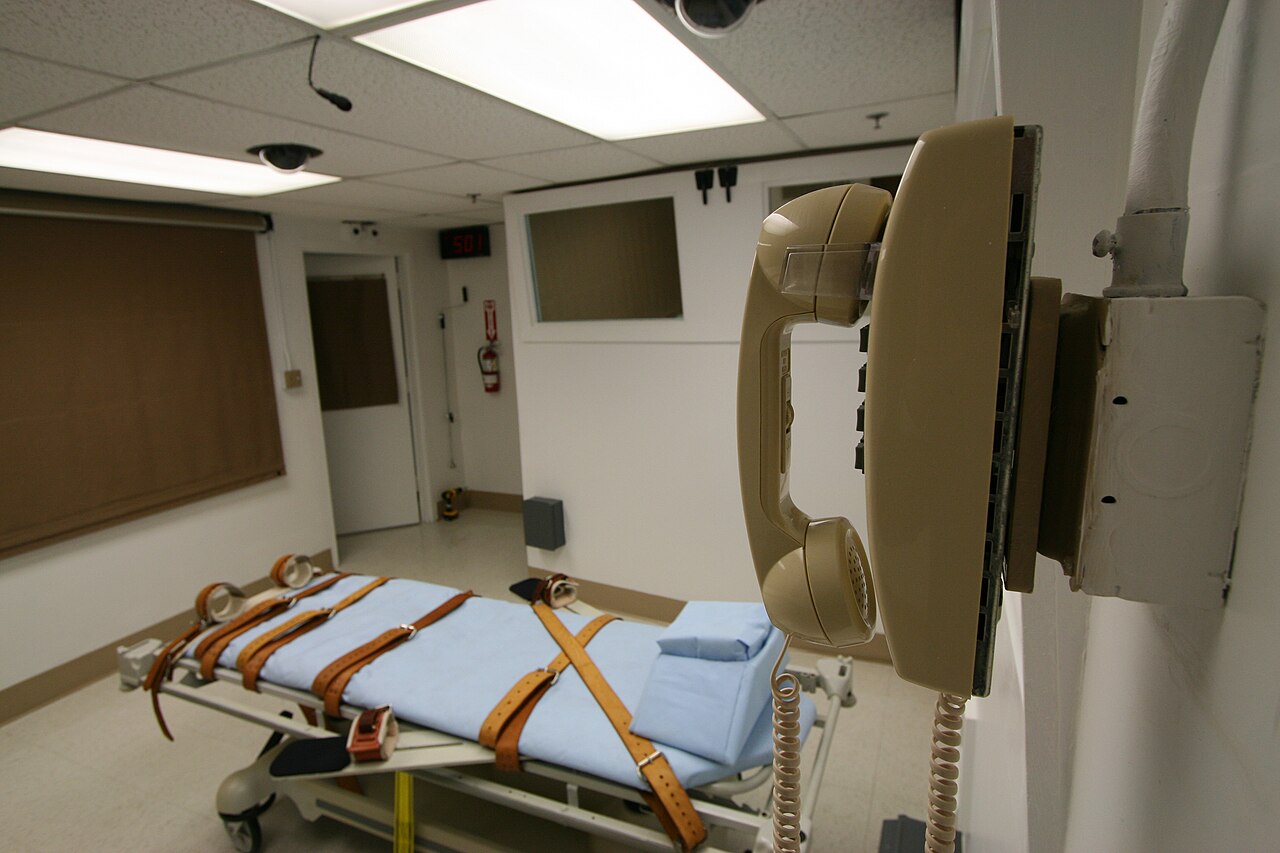
Two lethal doses, blown veins, a ventilator: Tennessee's botched execution puts the death penalty itself on trial
Christa Pike survived Tennessee's attempt to execute her and now lies unconscious on a ventilator, her lawyers say. IV lines were never placed correctly, veins blew, and a second dose was pumped in anyway — the state's second botched execution this year.
· 2 min read

Apology refused, missile launched: North Korea fires ballistic missile a day after rejecting Seoul's demand
Pyongyang fired a ballistic missile from Wonsan into the East Sea on Saturday morning, flying more than 700 km — a day after Kim Yo-jong dismissed Seoul's demand for an apology over landmines that wounded South Korean soldiers in the DMZ.
· 2 min read

1,540 casualties in a day: Yemen's army claims 474 strikes on Houthi fronts as the war's second front burns hotter
Yemen's armed forces say 474 airstrikes and precision operations in 24 hours killed or wounded 1,540 Houthi fighters, concentrated on the Taiz fronts, and destroyed 216 military vehicles. The claims came as missile debris from a Houthi launch injured a resident in Saudi Arabia's Asir region, Houthi shelling killed five people including a child in Taiz, and the WHO warned Yemen's health system is nearing breaking point, with 838 dead and over 3,000 wounded since August.
· 3 min read

Bleeding on the cockpit floor, he reached for the door: Indian captain tells Modi how he thwarted the Flydubai attack
Captain Smit Machchhar, recovering in an Abu Dhabi hospital, told Prime Minister Narendra Modi how he fought off a stabbing attack by his co-pilot on flight FZ1073 and opened the cockpit door while the jet plunged thousands of feet — letting the crew overpower the attacker and two reserve pilots divert to Saudi Arabia.
· 2 min read