Buried for Gold: Five Workers Killed as Another Afghan Mine Collapses
Five workers were killed when a gold mine collapsed in Afghanistan's Takhar province, officials said on Saturday. It is the latest in a grim procession of preventable deaths in the country's unregulated artisanal mines.

Sources
Share this story
Related articles

Five coffins in an SEZ: the industrial accident as management ritual
The Sri City boiler blast killed five workers — and India's fixed ritual has begun: condolences, a price list, a committee, and the company's 'safety protocols'. Periyar taught that power always finds a theory of its own innocence; here it is called a 'lapse'.
· 2 min read

Boiler blast at Sri City pharma unit kills five workers, injures over 10
A boiler exploded at the TIL Healthcare pharmaceutical plant inside the Sri City SEZ in Andhra Pradesh's Tirupati district on Saturday, killing five workers and injuring over ten. Rs 50 lakh ex gratia per family has been announced; three of the dead were Tamil Nadu workers.
· 2 min read
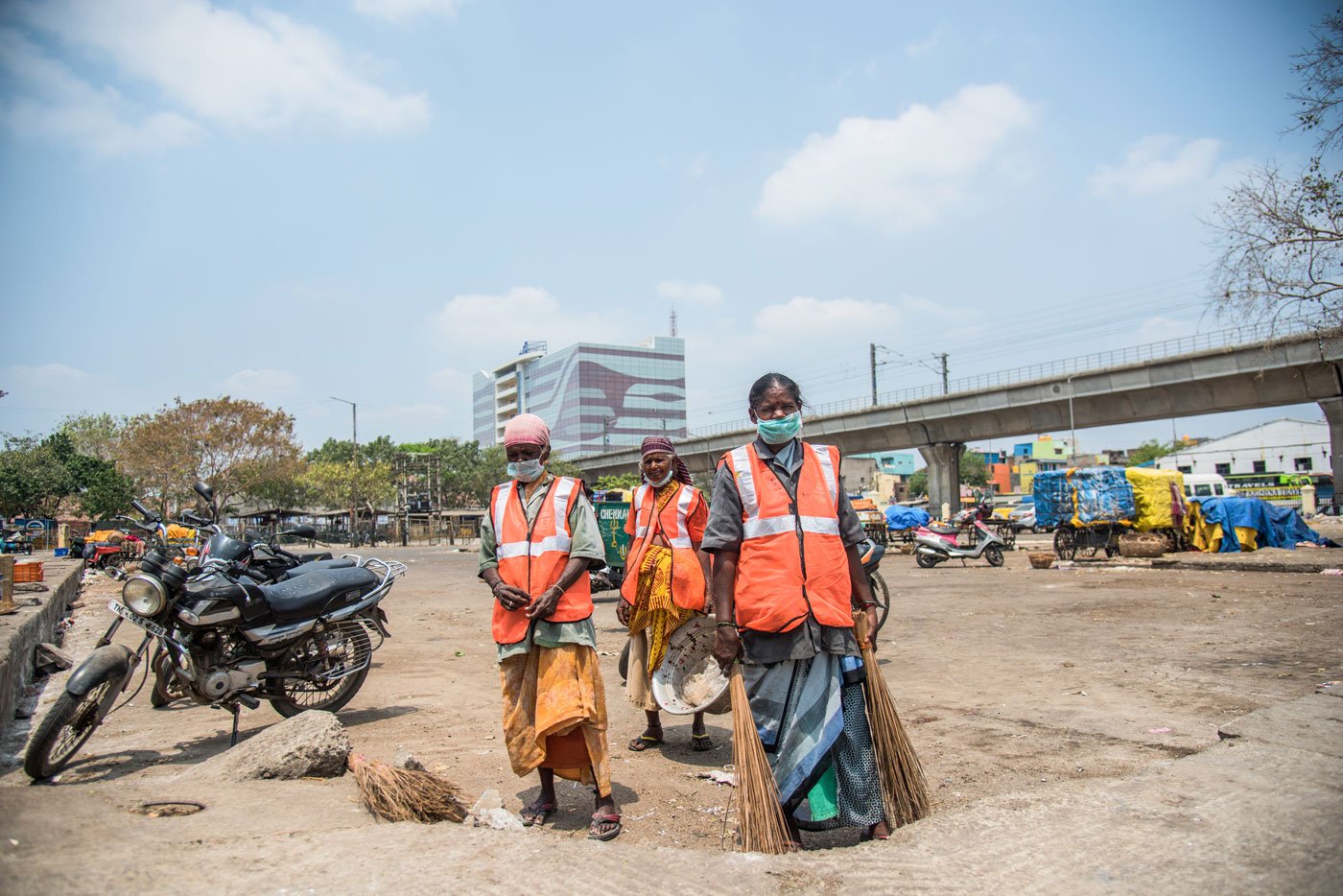
The day the promise comes due: Chennai's sanitation workers wait for the TVK to keep its word
Chennai's sanitation workers paused a 15-day strike on September 4 after four TVK ministers promised relief. The core demands — regularisation, weekly holidays, Collector-rate wages — were deferred to a review due on October 3. That day is here, and the structural promises are still paper. The...
· 2 min read

Fifty dead in a market, 5,000 deported to the fire: Myanmar's week of shame
A junta airstrike on Kyauktaw's midday market killed 50 people, many of them women and children. Hours later, Malaysia began deporting 5,000 Myanmar nationals back to the junta — a return the UN says no one should be forced to make.
· 2 min read