A third US carrier, a rejected roadmap and a war-weary America: the war on Iran grinds into its eighth month
Iran offered to reopen the Strait of Hormuz within seven days in exchange for an end to the US naval blockade, sanctions relief and the release of $12bn in frozen assets. Trump rejected it. As a third US aircraft carrier heads for the Gulf, nearly 70% of Americans say the war is not worth fighting.
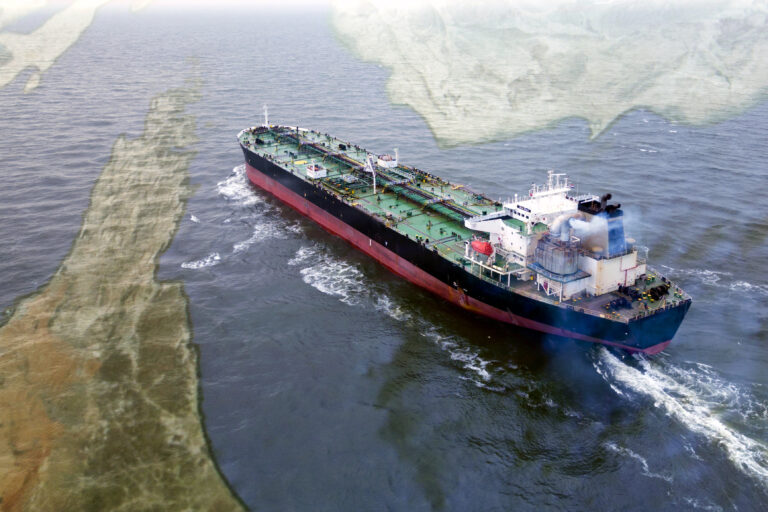
The war on Iran is entering its eighth month with diplomacy and escalation running side by side — and the Strait of Hormuz, through which roughly a fifth of the world's oil flows, has become the bargaining table.
Iran, after nearly seven months of war with the United States, has pushed a seven-day roadmap through Qatari mediators: Tehran would reopen the strait within seven days and resume talks on its nuclear programme. In exchange, Washington would end its naval blockade, lift sanctions, release an estimated $12 billion in frozen Iranian assets, and enforce a wider regional ceasefire covering Lebanon and Yemen.
President Donald Trump has rejected the offer. He denied reports that he was willing to ease sanctions, writing on social media: "I offered them NOTHING!" Foreign Minister Abbas Araghchi, who left New York on Tuesday after talks on the sidelines of the UN General Assembly, said he was still awaiting an official American response — despite Trump's public rejection. On X, Araghchi wrote: "We did not come to New York to sell a war. We came to forge peace."
The military build-up continues regardless. A US official told Al Jazeera that a third American aircraft carrier is heading toward the Middle East, alongside some 10,000 troops — the largest US naval concentration in the region in years. The US military says its forces have redirected 122 commercial vessels to enforce the blockade of Iranian ports, halting all Iranian crude exports, and claims nearly 13 million barrels a day are still moving through the strait.
Analysts say the dispute has shifted from whether to negotiate to who abandons their leverage first. Washington wants a single deal resolving everything — above all Tehran's nuclear programme — while Iran wants a step-by-step path that begins with lifting the blockade.
The costs are mounting beyond the battlefield. An Indian cargo ship was attacked in the strait last week, killing a sailor. Brent crude holds above $102 a barrel as China halts refined fuel exports and Gulf shipping strains. And at home, the war is losing the public: a new AP-NORC poll finds nearly 70% of Americans now say the war has not been worth fighting — a slide Trump brushed off by insisting "the pollsters are corrupt."
With November's midterm elections looming, the question is no longer whether the war ends, but who blinks first — and at what price to the world economy.
Sources
Share this story
Related articles
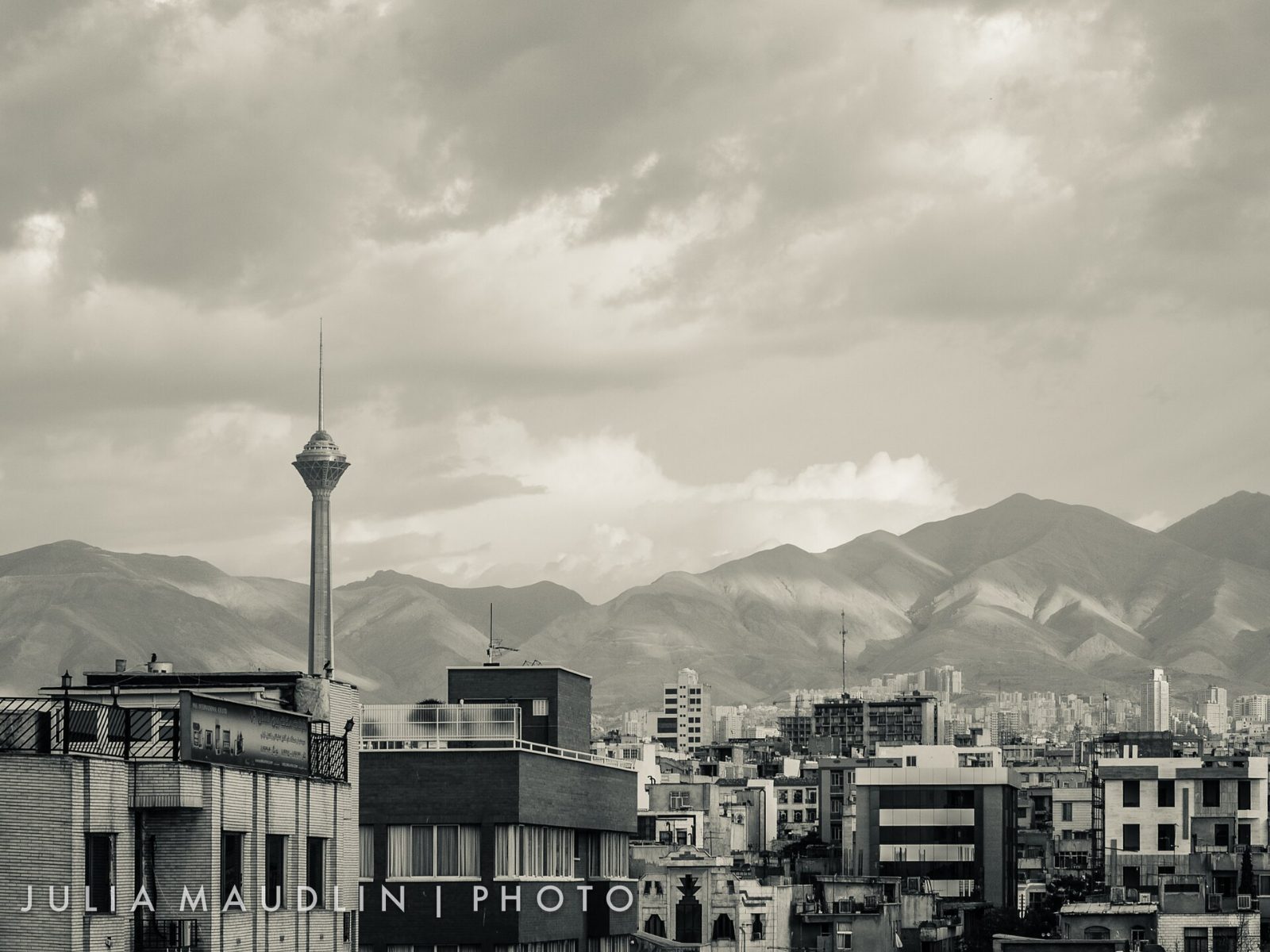
Iran tells Americans Trump's war has failed as rial sinks to record low
Iran's Revolutionary Guard urged the US public to protest Trump's "warmongering" weeks before the midterms, as the rial crashed past 2.5 million to the dollar and Washington imposed fresh sanctions on 10 entities.
· 2 min read
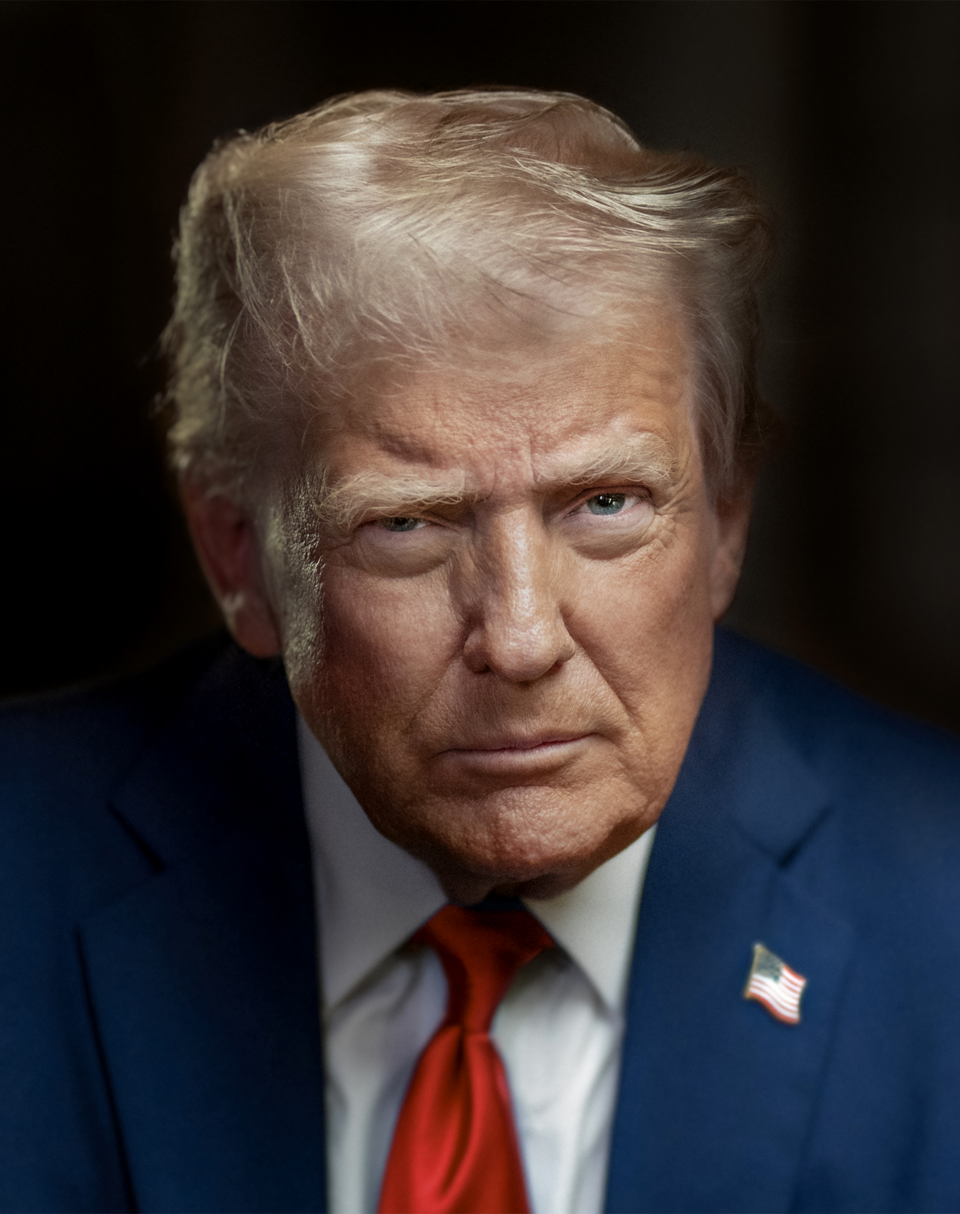
Trump rejects Iran's latest peace offer as the war enters its eighth month
Seven months after the United States went to war with Iran, negotiators met in New York in the first talks since June. President Trump rejected Tehran's offer to reopen the Strait of Hormuz in exchange for ending the US naval blockade.
· 1 min read

Sixth arrest in RAF Fairford probe as UK PM says Iran played a "part" in suspected plot
A British-Iranian man was arrested in London on Thursday over a suspected terror plot near the US-used airbase, after the Prime Minister said there were "strong indications" of Iranian involvement. Tehran denies any role.
· 2 min read
US completes troop withdrawal from Iraq, ending 12-year mission
The US military has completed the withdrawal of all American troops from Iraq, ending a 12-year mission against the Islamic State group. President Trump called the conclusion of the deployment "a very expensive excursion into Hell".
· 1 min read